
Opening branch overview
Building the branch home surface
Loading branch highlights, featured unit context, and gallery moments.
Overview
Members
Units
Building the branch home surface
Loading branch highlights, featured unit context, and gallery moments.
Building the branch units surface
Loading unit filters, rankings, and the branch unit grid.

9 members•1 unit
Relive and share the memories of your service-time with your brothers and sisters in arms today. VetFriends.com can help you reconnect.
Did you proudly serve in the MATCS 18?
Are you looking for someone who is or was in the MATCS 18?
Do you have MATCS 18 photos you'd like to share?
Then join a community with your brothers and sisters of the MATCS 18.
Branch
U.S. Marine Corps
Members
9
Marine Air Traffic Control Squadron 18 (MATCS-18) is a United States Marine Corps aviation command and control unit, originally activated during the Vietnam War era. The squadron is part of Marine Air Control Group 18, 1st Marine Aircraft Wing, and is based at Marine Corps Air Station Futenma, Okinawa, Japan. MATCS-18 provides air traffic control and aviation command support for Marine aviation operations, both in garrison and during deployed expeditionary missions throughout the Indo-Pacific region. The unit has participated in numerous joint exercises and humanitarian assistance operations, showcasing its capability to rapidly establish and maintain airfield operations in support of Marine Air-Ground Task Force objectives.
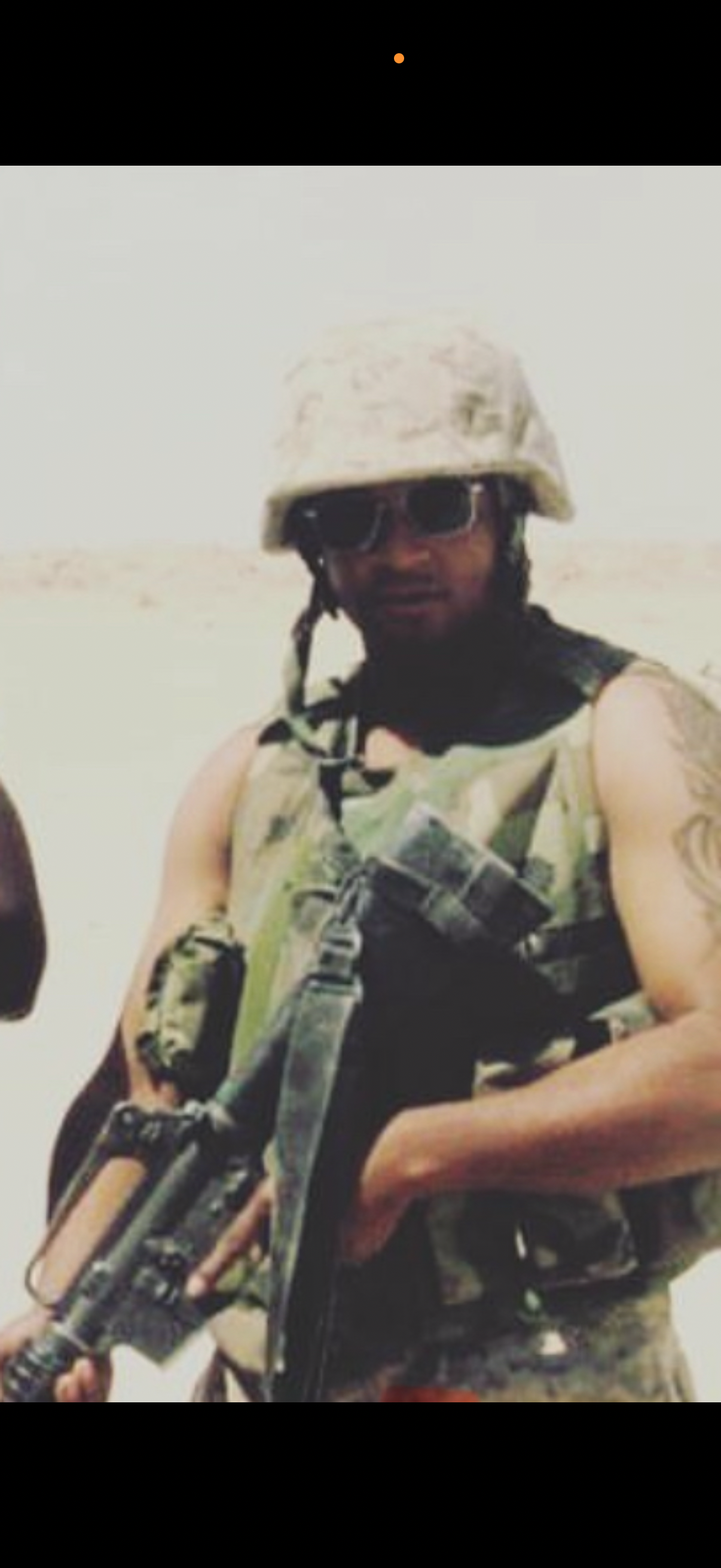
U.S. Marine Corps

U.S. Marine Corps • 1968
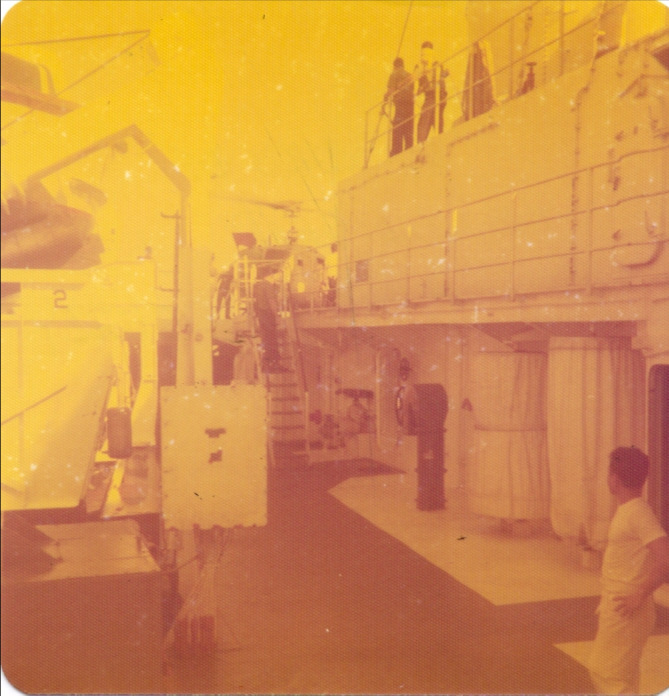
U.S. Marine Corps • 1968
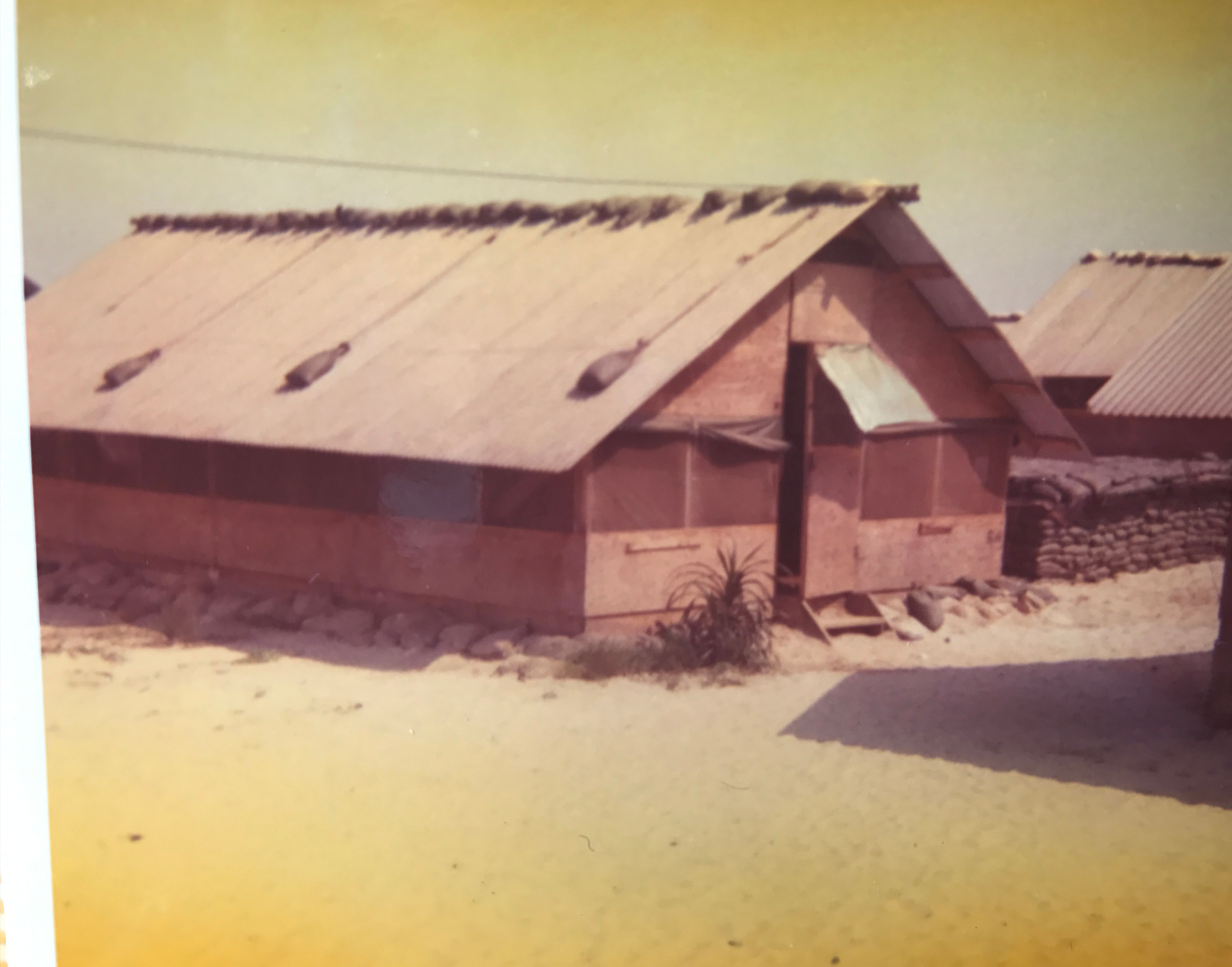
U.S. Marine Corps