
Opening branch overview
Building the branch home surface
Loading branch highlights, featured unit context, and gallery moments.
Overview
Members
Units
Building the branch home surface
Loading branch highlights, featured unit context, and gallery moments.
Building the branch units surface
Loading unit filters, rankings, and the branch unit grid.

3 members•1 unit
Relive and share the memories of your service-time with your brothers and sisters in arms today. VetFriends.com can help you reconnect.
Did you proudly serve in the MARTC NAS Atlanta?
Are you looking for someone who is or was in the MARTC NAS Atlanta?
Do you have MARTC NAS Atlanta photos you'd like to share?
Then join a community with your brothers and sisters of the MARTC NAS Atlanta.
Branch
U.S. Marine Corps
Members
3
The Marine Air Reserve Training Command (MARTC) at Naval Air Station (NAS) Atlanta played a pivotal role in training and preparing Marine Corps Reserve aviation personnel from the 1950s through the 1990s. Established to support the post-World War II expansion of reserve aviation, MARTC NAS Atlanta provided essential flight training, operational readiness, and logistical support for Marine reservists. Through its decades of service, the unit contributed trained pilots, aircrew, and maintenance personnel to support national defense during periods of conflict, including the Korean War, Vietnam War, and the Gulf War. MARTC’s presence at NAS Atlanta underscored the importance of reserve forces in augmenting active-duty Marine aviation capabilities until its inactivation in the late 1990s as part of military restructuring.
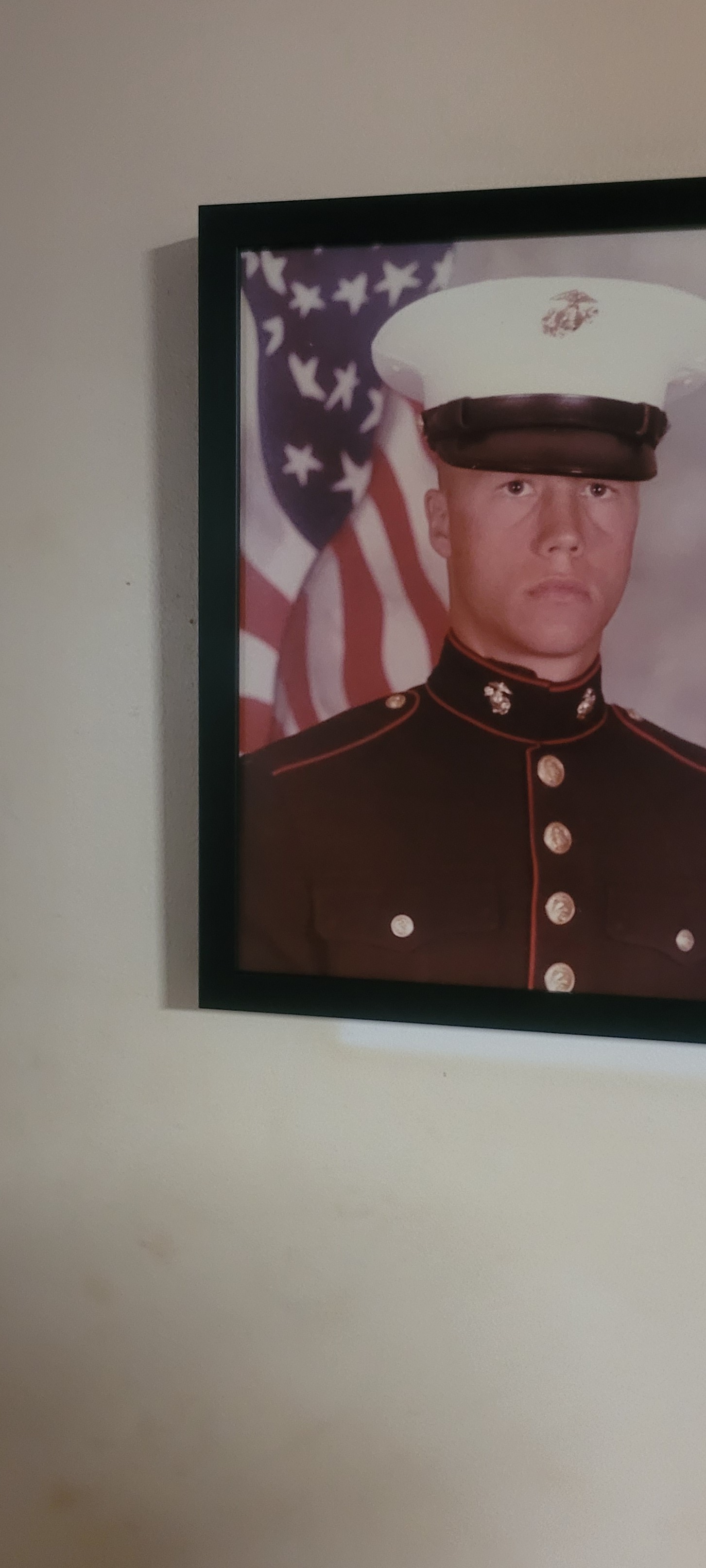
2nd Bn, 10th Mariners Artillery • U.S. Marine Corps

MP 3rd • U.S. Marine Corps • 1998
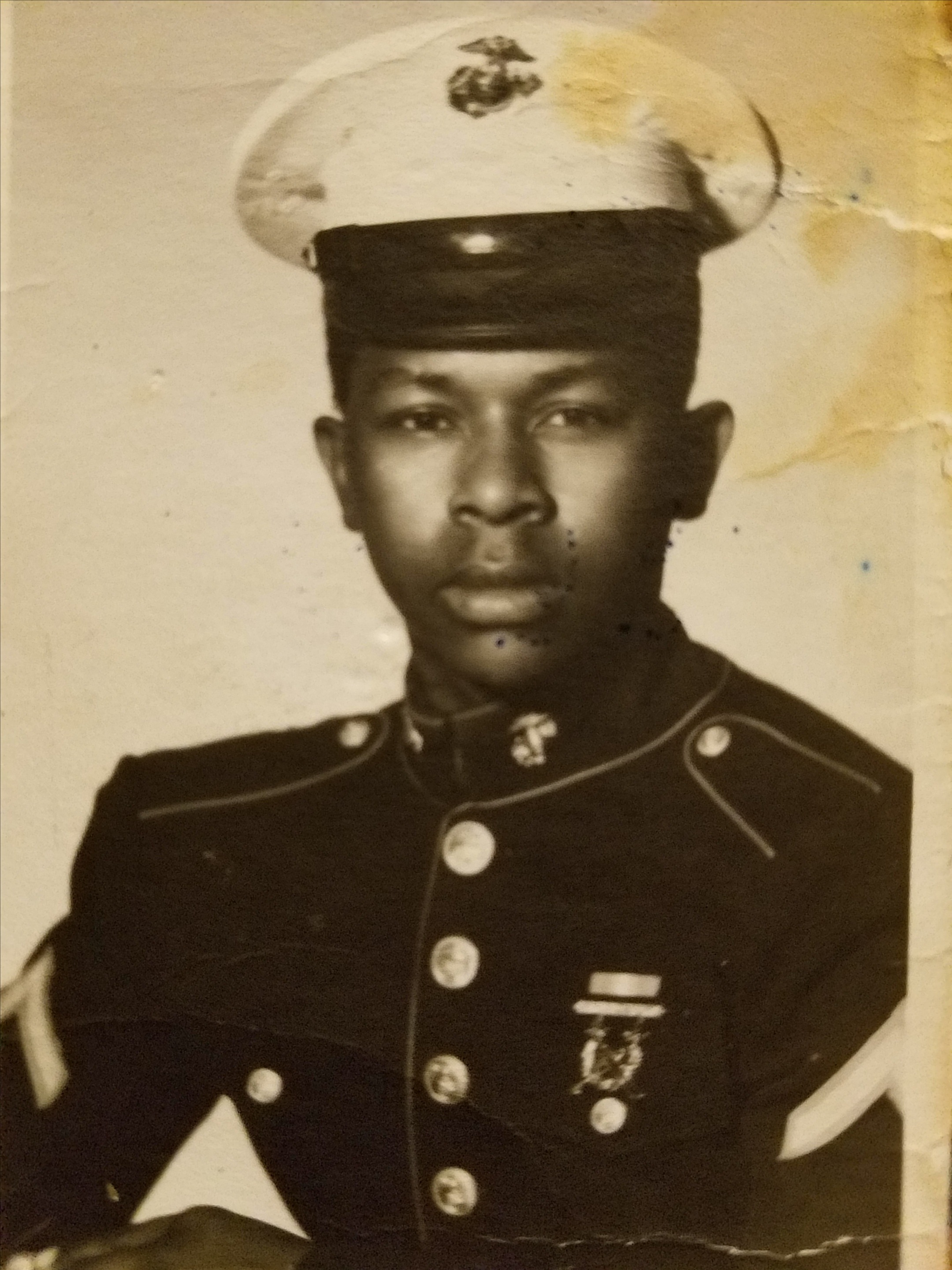
U.S. Marine Corps
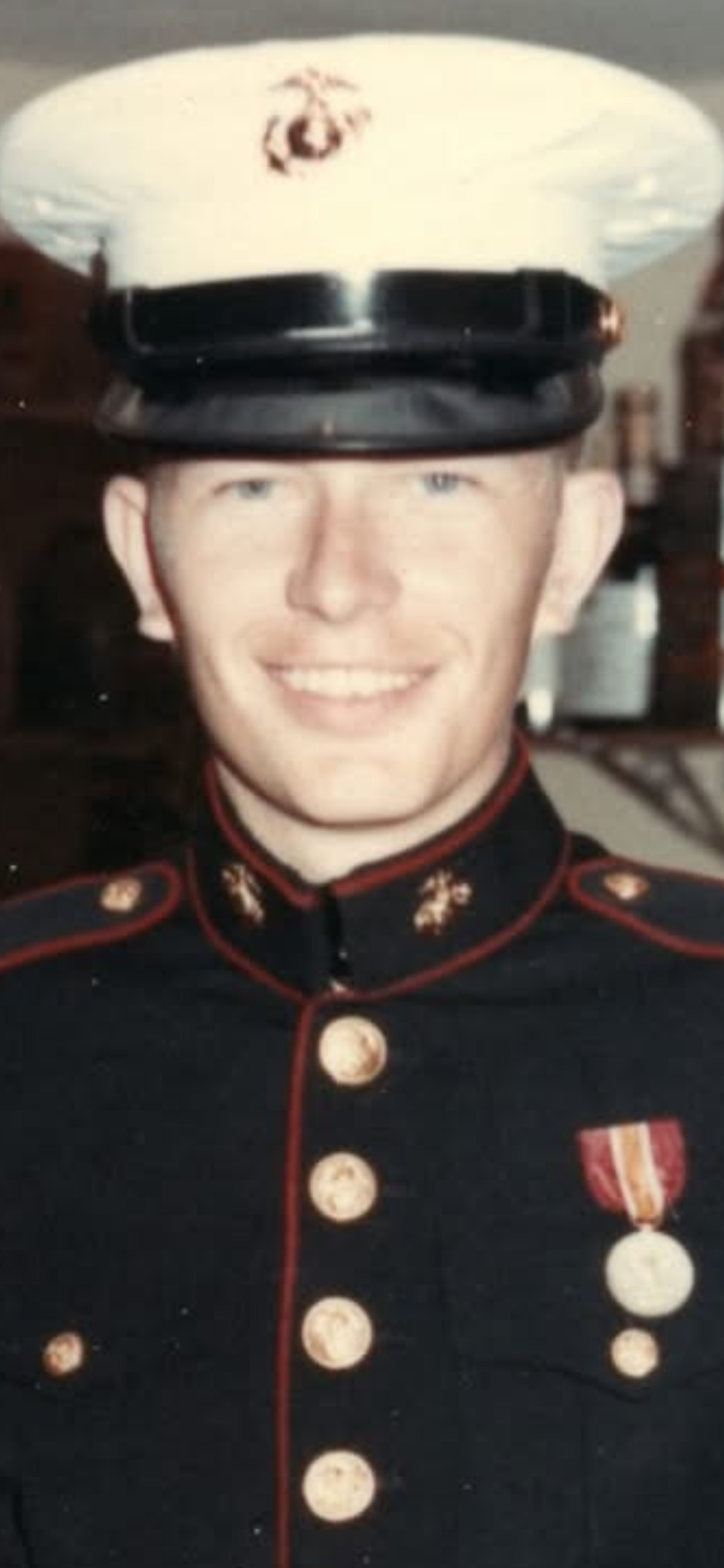
U.S. Marine Corps