
Opening branch overview
Building the branch home surface
Loading branch highlights, featured unit context, and gallery moments.
Overview
Members
Units
Building the branch home surface
Loading branch highlights, featured unit context, and gallery moments.
Building the branch units surface
Loading unit filters, rankings, and the branch unit grid.

2 members•1 unit
Relive and share the memories of your service-time with your brothers and sisters in arms today. VetFriends.com can help you reconnect.
Did you proudly serve in the Marine Combat Photographer?
Are you looking for someone who is or was in the Marine Combat Photographer?
Do you have Marine Combat Photographer photos you'd like to share?
Then join a community with your brothers and sisters of the Marine Combat Photographer.
Branch
U.S. Marine Corps
Members
2
The Marine Combat Photographer is a specialized role within the United States Marine Corps, tracing its origins back to World War II when documenting combat operations became vital for intelligence, training, and historical records. These Marines are trained to capture still and motion imagery in some of the most dangerous and challenging environments, often operating alongside infantry units on the front lines. Over the decades, Marine Combat Photographers have documented conflicts from Korea and Vietnam to the Middle East, providing critical visual records for operational analysis and public affairs. Their work not only preserves history but also supports strategic communications, morale, and the legacy of the Marine Corps.

U.S. Marine Corps
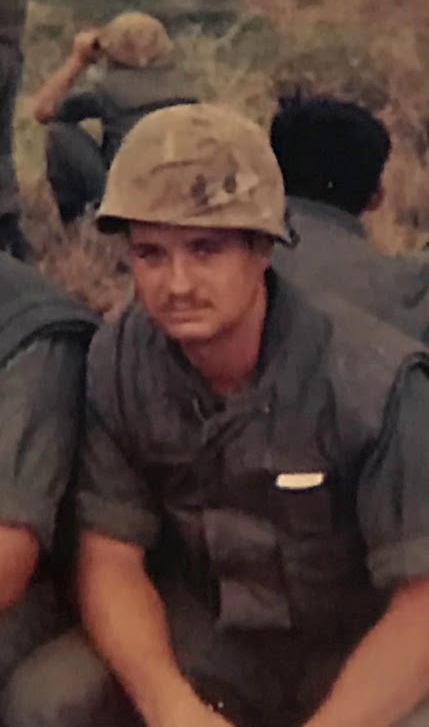
U.S. Marine Corps
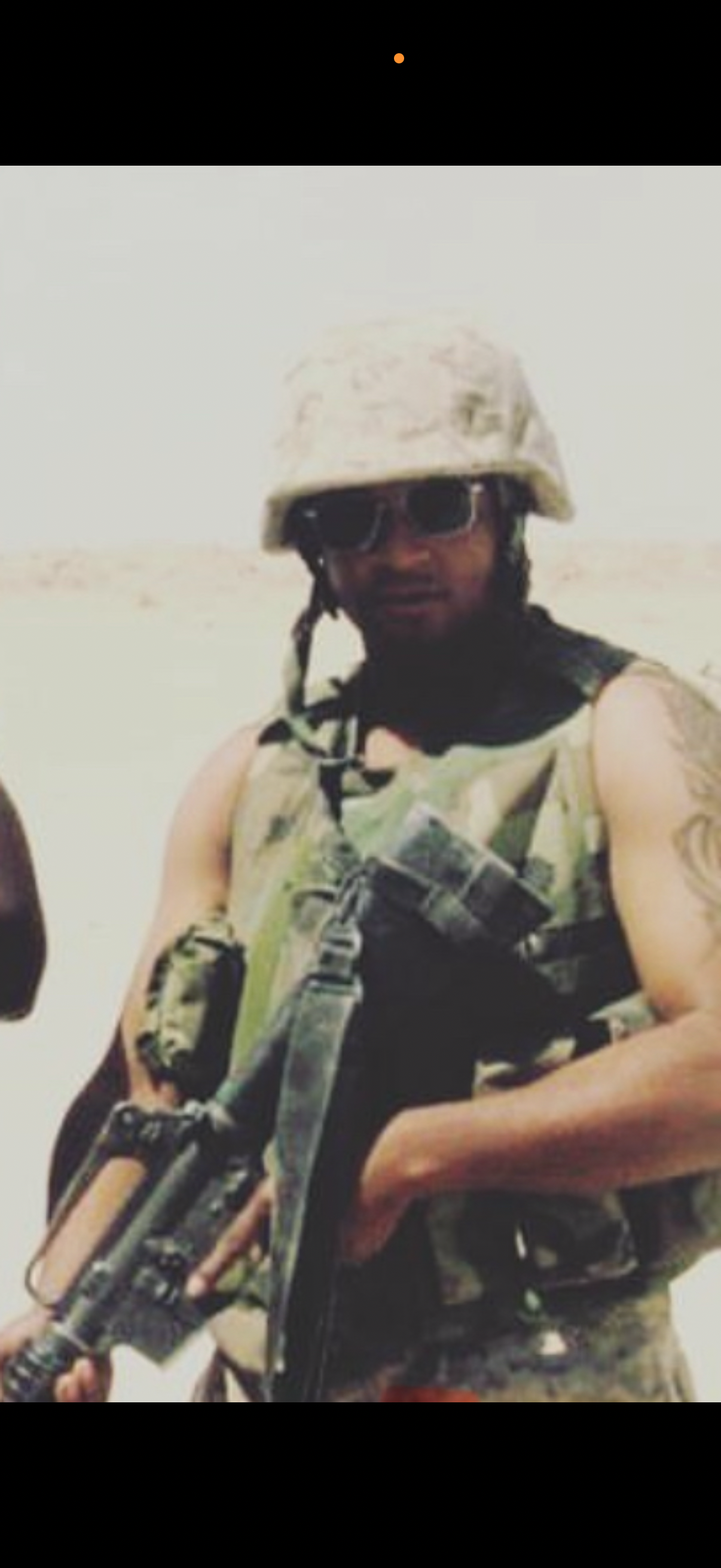
U.S. Marine Corps
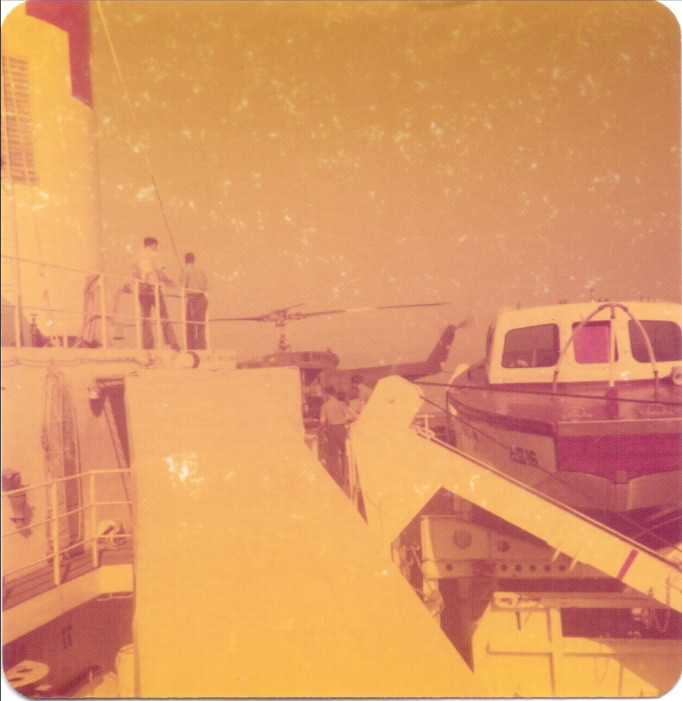
U.S. Marine Corps • 1968