
Opening branch overview
Building the branch home surface
Loading branch highlights, featured unit context, and gallery moments.
Overview
Members
Units
Building the branch home surface
Loading branch highlights, featured unit context, and gallery moments.
Building the branch units surface
Loading unit filters, rankings, and the branch unit grid.

U.S. Marine Corps•13 members
Relive and share the memories of your service-time with your brothers and sisters in arms today. VetFriends.com can help you reconnect.
Did you proudly serve in the Marine Barracks Panama Canal Zone?
Are you looking for someone who is or was in the Marine Barracks Panama Canal Zone?
Do you have Marine Barracks Panama Canal Zone photos you'd like to share?
Then join a community with your brothers and sisters of the Marine Barracks Panama Canal Zone.
Marine Barracks Panama Canal Zone was established in the early 20th century to provide security and defense for the strategically vital Panama Canal. The unit’s primary mission was to safeguard the canal’s locks, facilities, and personnel against sabotage or attack, especially during periods of international tension such as World War II. Marines stationed there conducted regular patrols, manned guard posts, and trained for rapid response to any threat to the canal’s operation. The Marine Barracks remained an important element of U.S. military presence in the region until the gradual turnover of canal operations to Panama, culminating in the late 20th century.
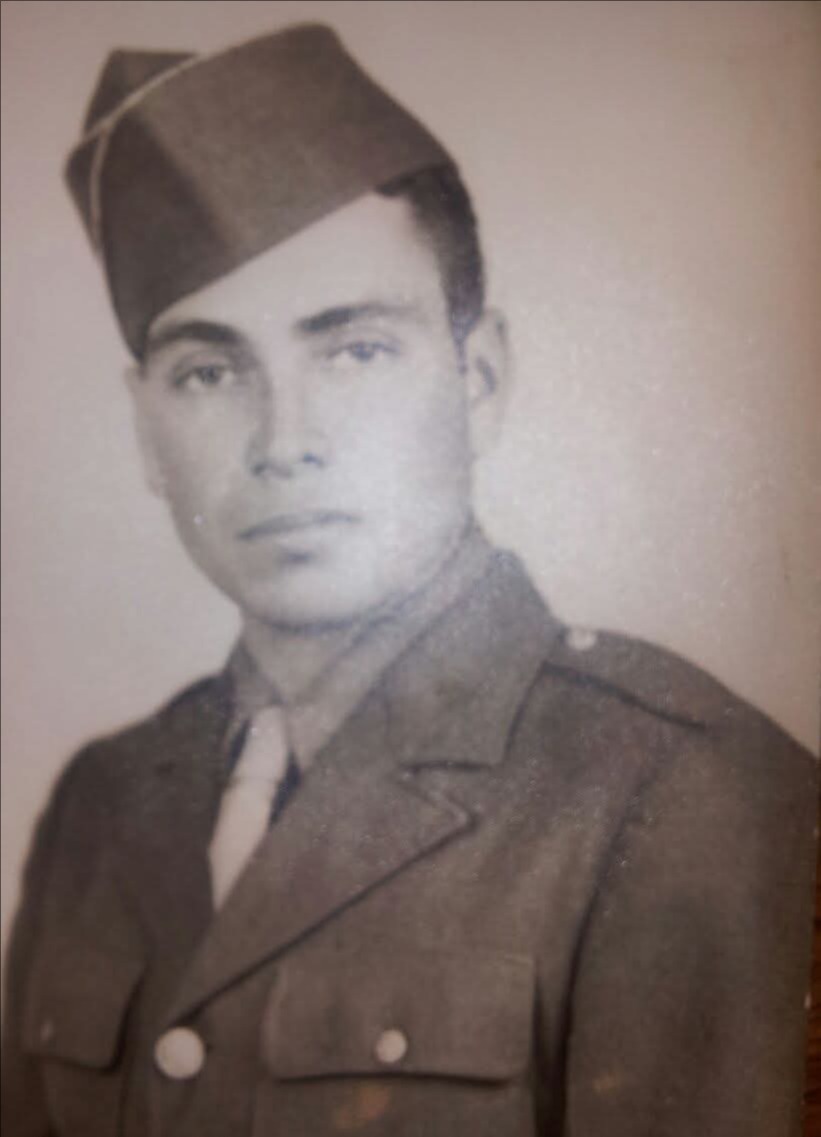
U.S. Marine Corps
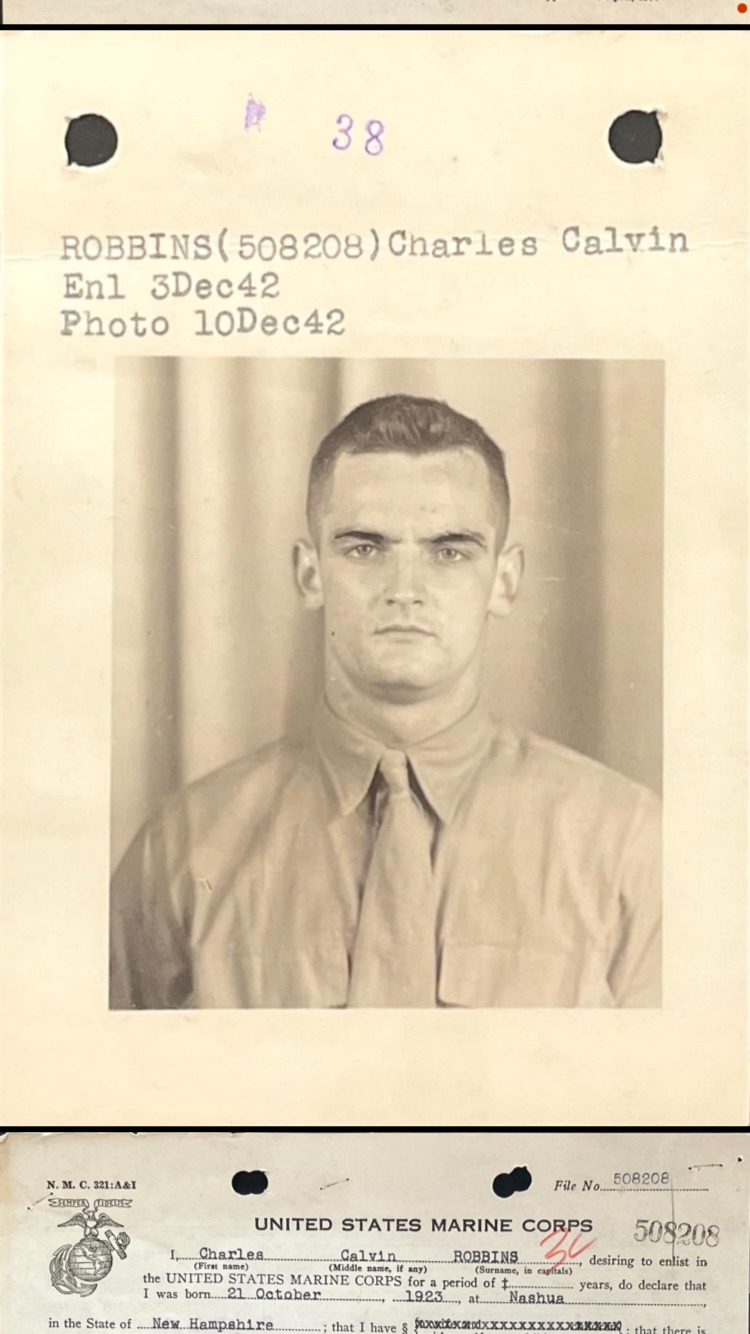
3rd Marine Division • U.S. Marine Corps
U.S. Marine Corps

U.S. Marine Corps