
Opening branch overview
Building the branch home surface
Loading branch highlights, featured unit context, and gallery moments.
Overview
Members
Units
Building the branch home surface
Loading branch highlights, featured unit context, and gallery moments.
Building the branch units surface
Loading unit filters, rankings, and the branch unit grid.

11 members•1 unit
Relive and share the memories of your service-time with your brothers and sisters in arms today. VetFriends.com can help you reconnect.
Did you proudly serve in the MARINE BARRACKS GUAM?
Are you looking for someone who is or was in the MARINE BARRACKS GUAM?
Do you have MARINE BARRACKS GUAM photos you'd like to share?
Then join a community with your brothers and sisters of the MARINE BARRACKS GUAM.
Branch
U.S. Marine Corps
Members
11
Marine Barracks Guam was a prominent United States Marine Corps installation located on the island of Guam. Established shortly after the United States acquired Guam in 1898, the barracks played a crucial role in defending the island and supporting American interests in the Pacific. Marines stationed at the barracks provided security, conducted training, and participated in local civic activities. During World War II, the barracks were overrun during the 1941 Japanese invasion, but Marines returned following the island's liberation in 1944, resuming their mission until the barracks were eventually deactivated in 1992.

U.S. Marine Corps
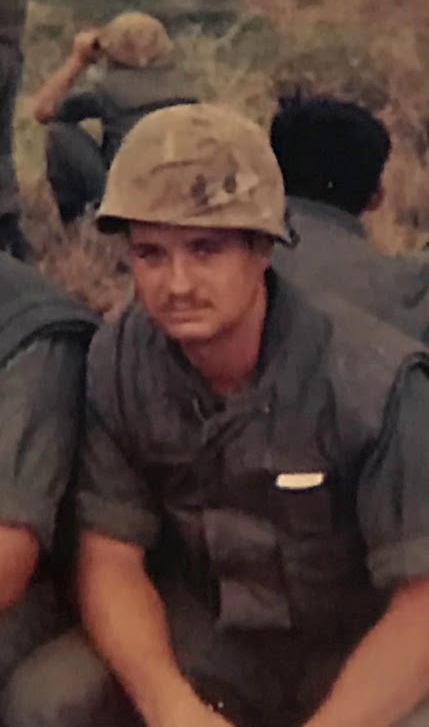
U.S. Marine Corps
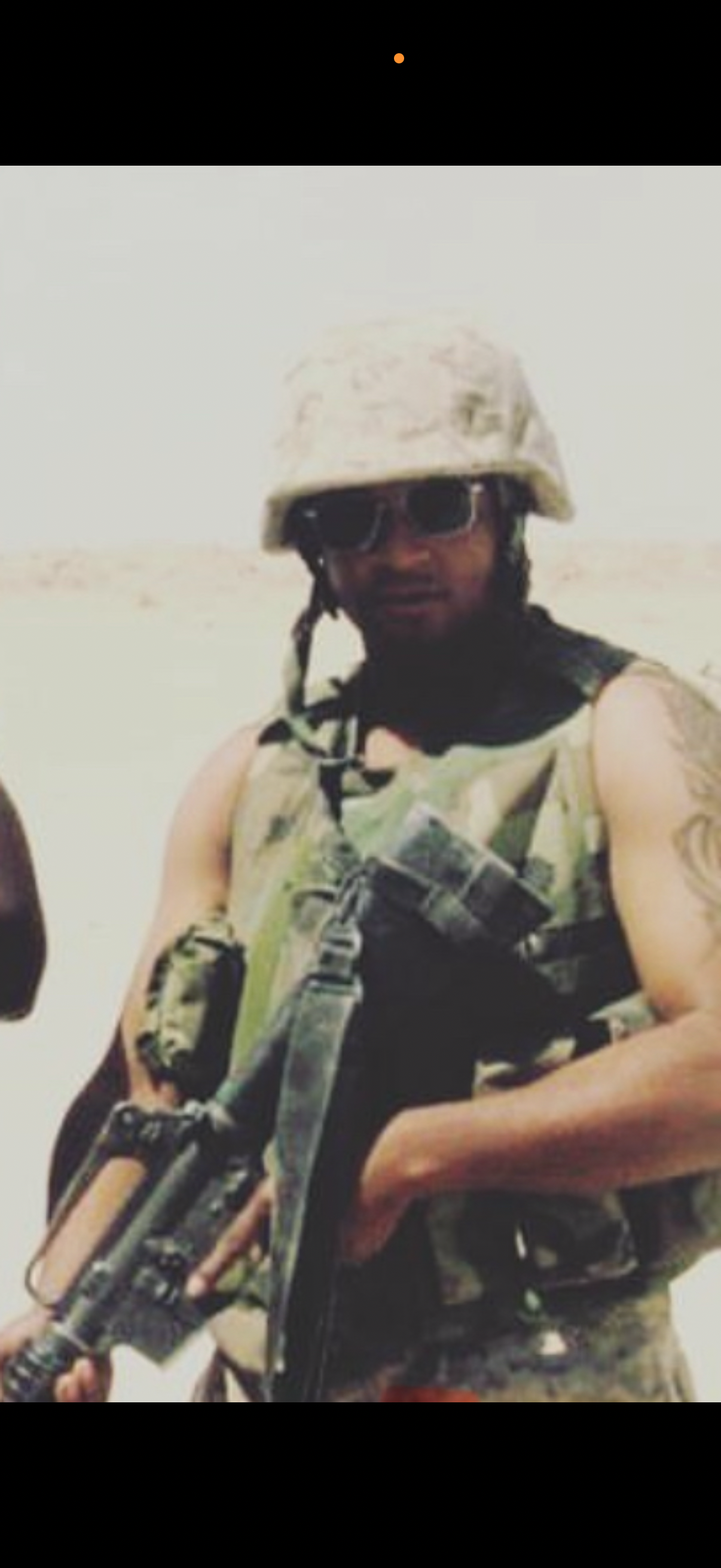
U.S. Marine Corps

U.S. Marine Corps • 1968