
Opening branch overview
Building the branch home surface
Loading branch highlights, featured unit context, and gallery moments.
Overview
Members
Units
Building the branch home surface
Loading branch highlights, featured unit context, and gallery moments.
Building the branch units surface
Loading unit filters, rankings, and the branch unit grid.

U.S. Marine Corps•10 members
Relive and share the memories of your service-time with your brothers and sisters in arms today. VetFriends.com can help you reconnect.
Did you proudly serve in the MACS 7?
Are you looking for someone who is or was in the MACS 7?
Do you have MACS 7 photos you'd like to share?
Then join a community with your brothers and sisters of the MACS 7.
Marine Air Control Squadron 7 (MACS-7) is a United States Marine Corps aviation command and control unit. Activated during World War II, the squadron provided air surveillance and control of aircraft and surface-to-air weapons for the Marine Air-Ground Task Force. Over the decades, MACS-7 participated in significant operations, including the Vietnam War, where they played a crucial role in airspace management and early warning missions. The unit continued to serve with distinction in subsequent conflicts, adapting to advancements in radar and communications technology to support both training and combat operations.

U.S. Marine Corps

U.S. Marine Corps
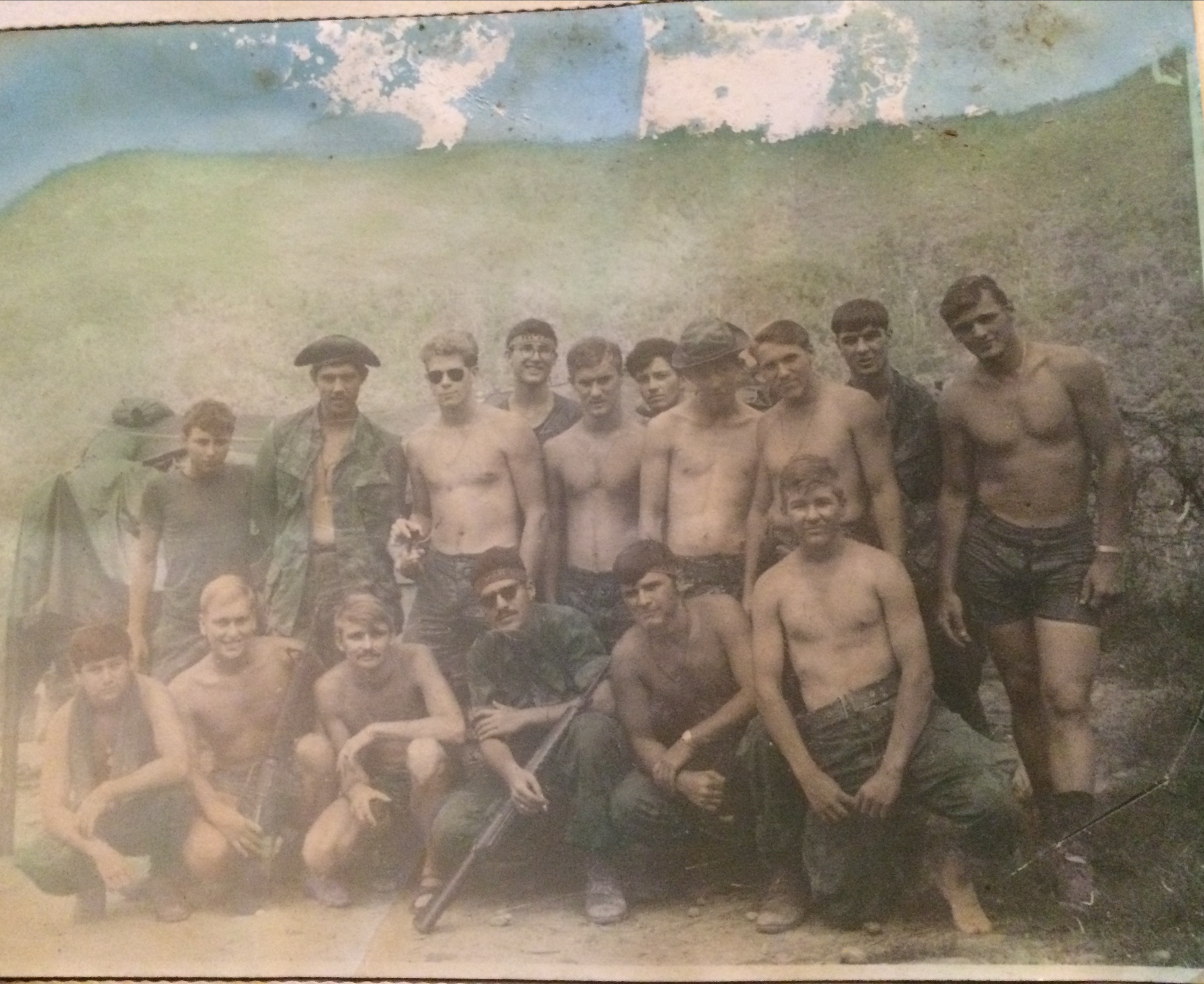
U.S. Marine Corps • 1971
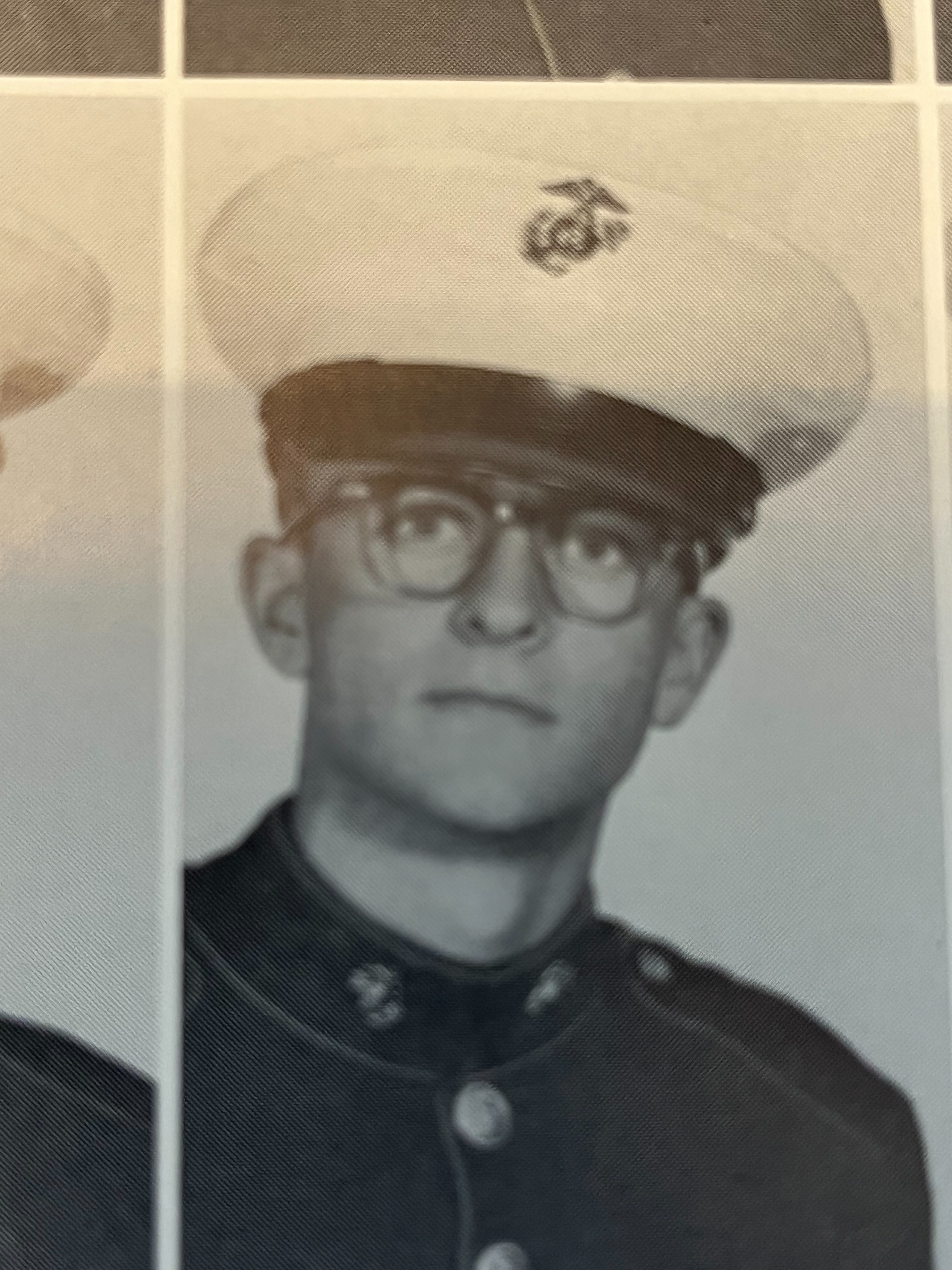
U.S. Marine Corps • 1968