
Opening branch overview
Building the branch home surface
Loading branch highlights, featured unit context, and gallery moments.
Overview
Members
Units
Building the branch home surface
Loading branch highlights, featured unit context, and gallery moments.
Building the branch units surface
Loading unit filters, rankings, and the branch unit grid.

37 members•1 unit
Relive and share the memories of your service-time with your brothers and sisters in arms today. VetFriends.com can help you reconnect.
Did you proudly serve in the HqCo ForTrs FMFLant CamLej NC?
Are you looking for someone who is or was in the HqCo ForTrs FMFLant CamLej NC?
Do you have HqCo ForTrs FMFLant CamLej NC photos you'd like to share?
Then join a community with your brothers and sisters of the HqCo ForTrs FMFLant CamLej NC.
Branch
U.S. Marine Corps
Members
37
Headquarters Company, Force Troops, Fleet Marine Force, Atlantic (HqCo ForTrs FMFLant), based at Camp Lejeune, North Carolina, has a distinguished history of providing command and administrative support to specialized Marine Corps units under the FMFLant umbrella. Established to coordinate and support a diverse range of combat, combat support, and combat service support units, HqCo ForTrs played a crucial role during the Cold War, ensuring rapid deployment and readiness for contingency operations. Over the years, the unit has supported exercises, humanitarian missions, and crisis responses across the Atlantic theater. Its legacy at Camp Lejeune reflects the Marine Corps’ commitment to operational excellence and logistical coordination on the East Coast.
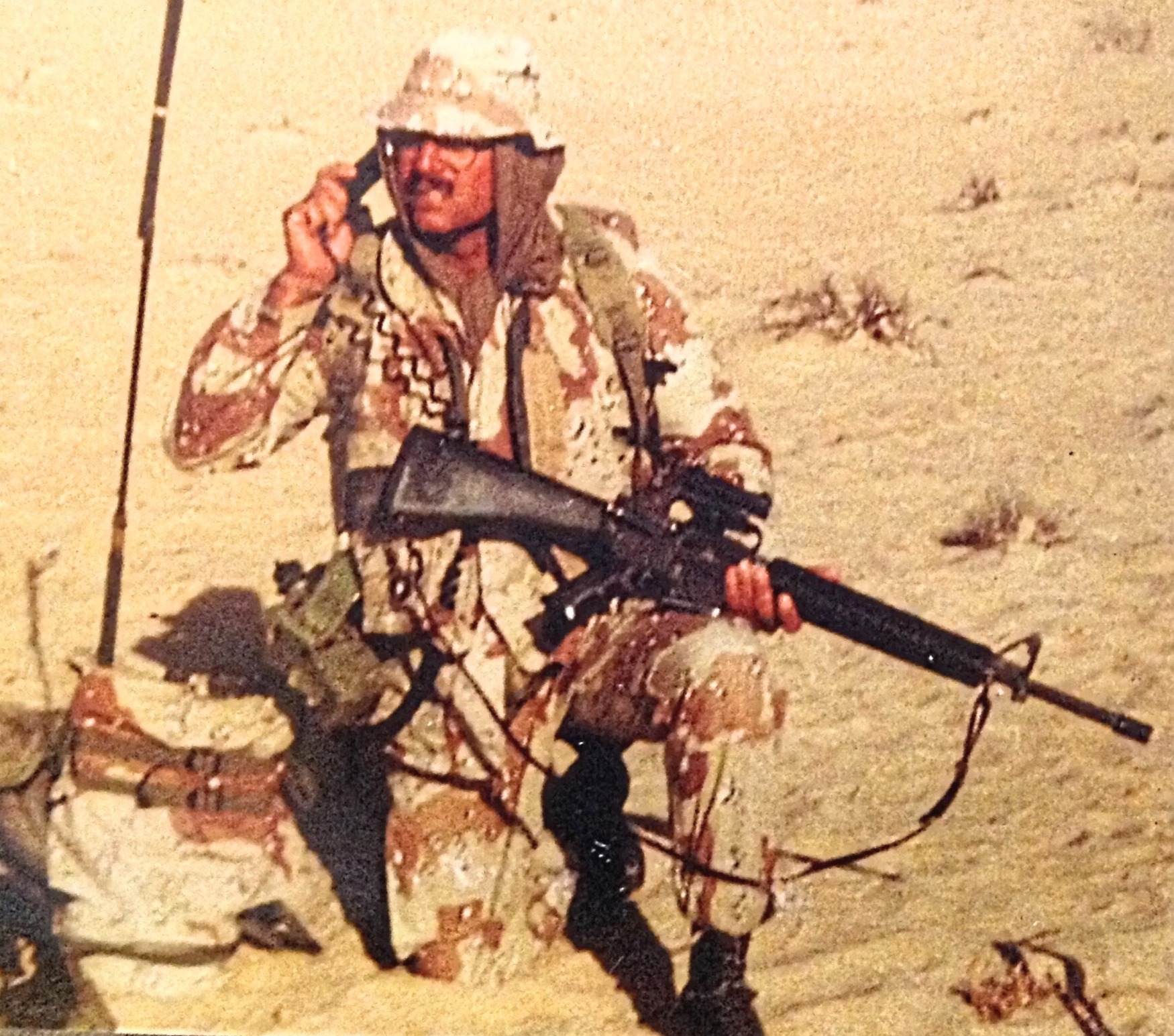
India Company • U.S. Marine Corps • 1991
3/3 • U.S. Marine Corps
3rd marines recon • U.S. Marine Corps • 1900
U.S. Marine Corps