
Opening branch overview
Building the branch home surface
Loading branch highlights, featured unit context, and gallery moments.
Overview
Members
Units
Building the branch home surface
Loading branch highlights, featured unit context, and gallery moments.
Building the branch units surface
Loading unit filters, rankings, and the branch unit grid.

U.S. Marine Corps•17 members
Relive and share the memories of your service-time with your brothers and sisters in arms today. VetFriends.com can help you reconnect.
Did you proudly serve in the HMLA-267?
Are you looking for someone who is or was in the HMLA-267?
Do you have HMLA-267 photos you'd like to share?
Then join a community with your brothers and sisters of the HMLA-267.
Marine Light Attack Helicopter Squadron 267 (HMLA-267), known as the "Stingers," was activated on October 15, 1982, at Marine Corps Air Station Camp Pendleton, California. Initially equipped with AH-1J SeaCobras, the squadron transitioned to the AH-1W SuperCobra and later incorporated UH-1Y Venom helicopters. HMLA-267 has participated in multiple deployments, including Operations Desert Storm, Iraqi Freedom, and Enduring Freedom, providing close air support and assault support missions. The unit continues to serve as a vital component of the 3rd Marine Aircraft Wing, supporting Marine Air-Ground Task Forces worldwide.
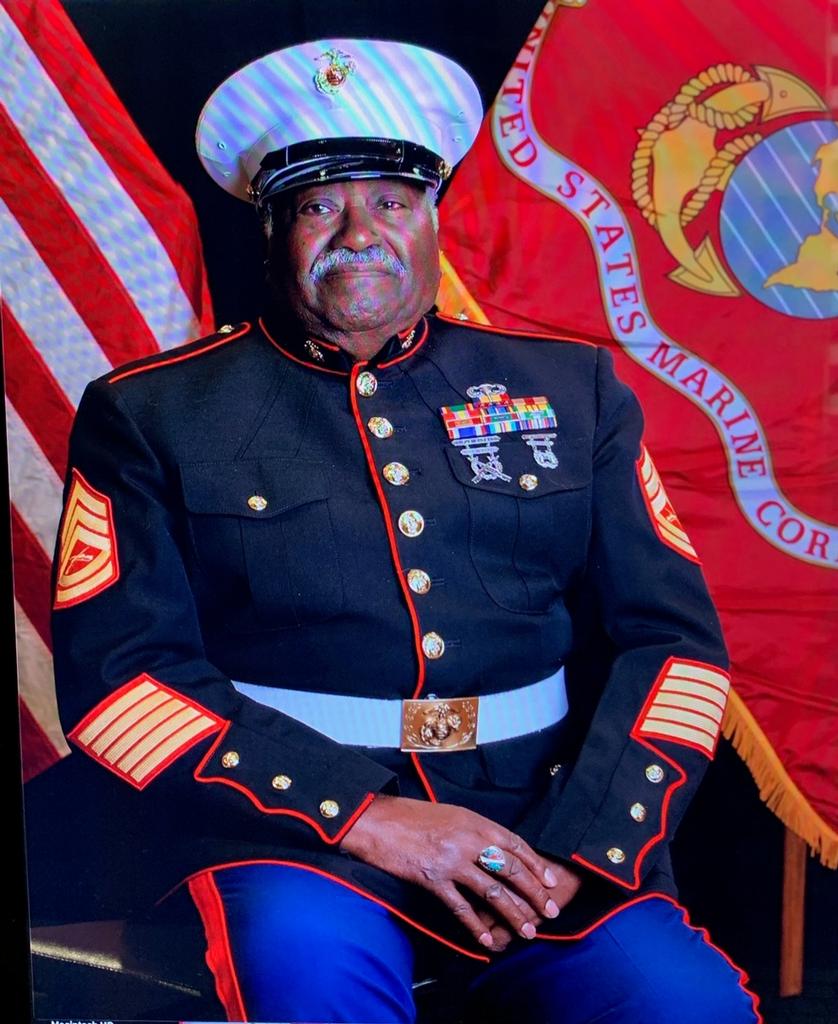
U.S. Marine Corps
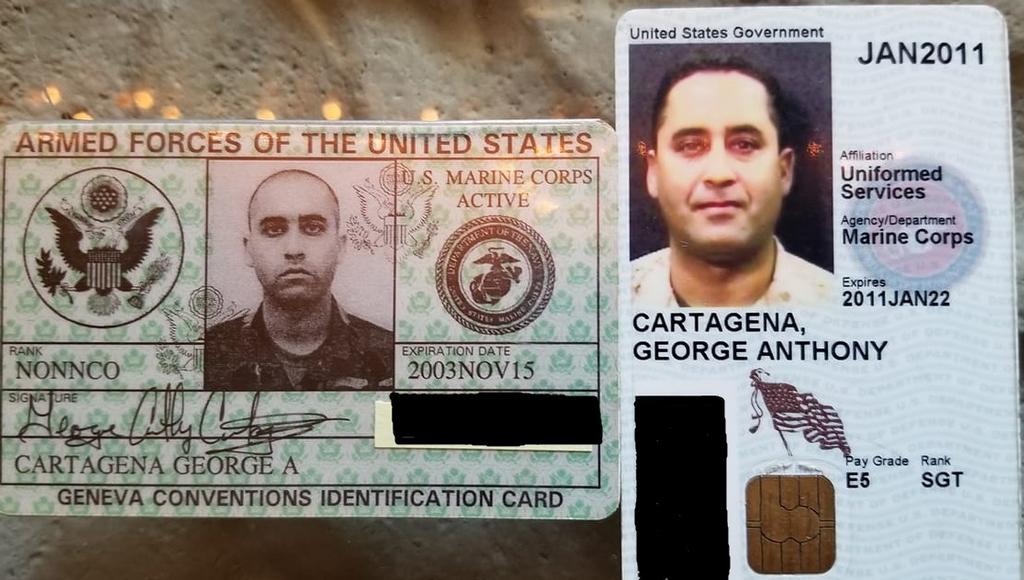
U.S. Marine Corps
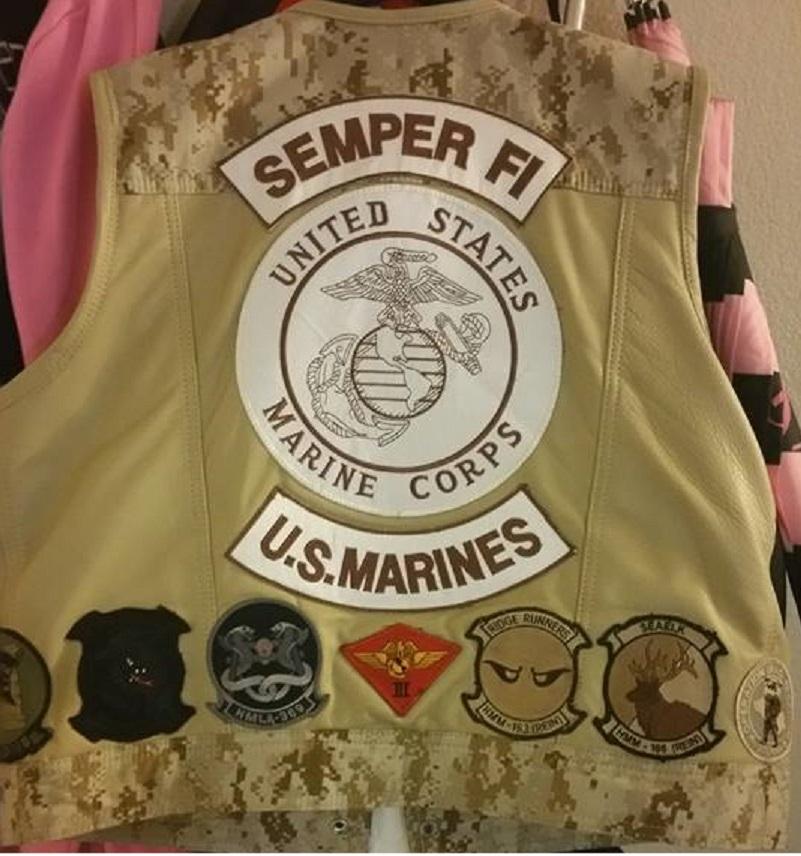
U.S. Marine Corps

U.S. Marine Corps