
Opening branch overview
Building the branch home surface
Loading branch highlights, featured unit context, and gallery moments.
Overview
Members
Units
Building the branch home surface
Loading branch highlights, featured unit context, and gallery moments.
Building the branch units surface
Loading unit filters, rankings, and the branch unit grid.

U.S. Marine Corps•23 members
Relive and share the memories of your service-time with your brothers and sisters in arms today. VetFriends.com can help you reconnect.
Did you proudly serve in the HMH-361?
Are you looking for someone who is or was in the HMH-361?
Do you have HMH-361 photos you'd like to share?
Then join a community with your brothers and sisters of the HMH-361.
HMH-361, known as the "Flying Tigers," is a United States Marine Corps heavy helicopter squadron established in 1952. The unit has served with distinction in numerous conflicts, including the Vietnam War, where it provided critical troop transport and logistical support. Over the decades, HMH-361 has operated various helicopters, most notably the CH-53E Super Stallion, enhancing the Marine Corps’ heavy-lift capability. The squadron continues to play a vital role in expeditionary operations, humanitarian missions, and training exercises worldwide.
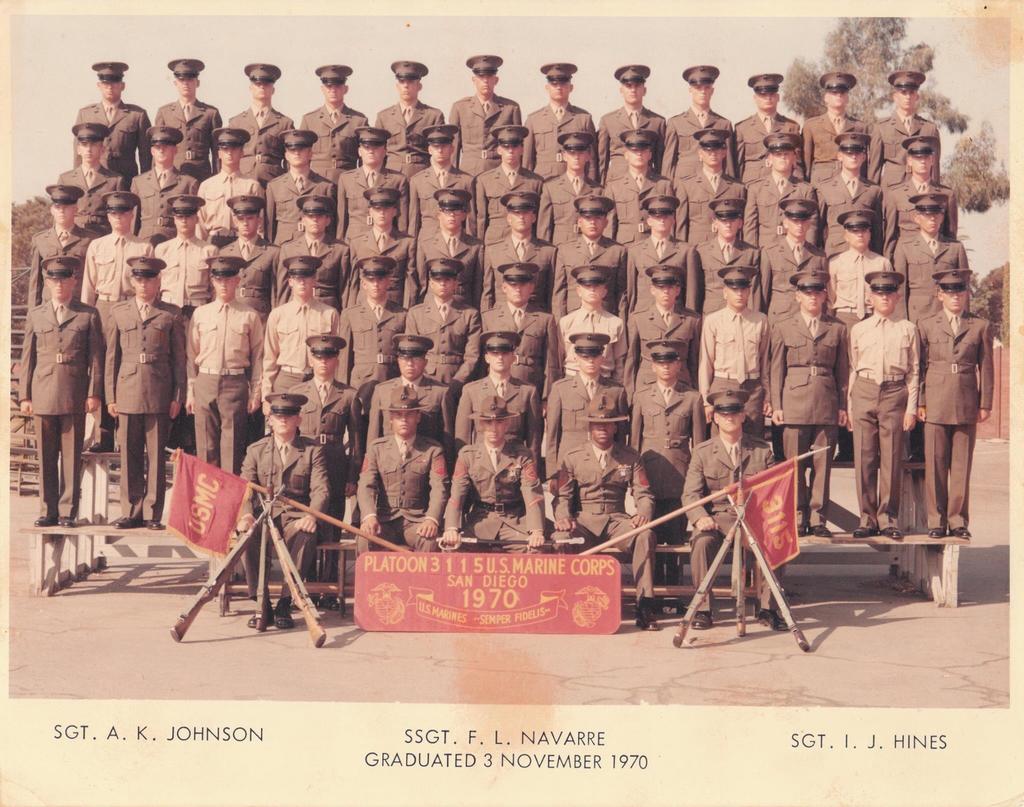
U.S. Marine Corps

U.S. Marine Corps