
Opening branch overview
Building the branch home surface
Loading branch highlights, featured unit context, and gallery moments.
Overview
Members
Units
Building the branch home surface
Loading branch highlights, featured unit context, and gallery moments.
Building the branch units surface
Loading unit filters, rankings, and the branch unit grid.

37 members•1 unit
Relive and share the memories of your service-time with your brothers and sisters in arms today. VetFriends.com can help you reconnect.
Did you proudly serve in the H&HS ATC. MCAS(H) Tustin, California?
Are you looking for someone who is or was in the H&HS ATC. MCAS(H) Tustin, California?
Do you have H&HS ATC. MCAS(H) Tustin, California photos you'd like to share?
Then join a community with your brothers and sisters of the H&HS ATC. MCAS(H) Tustin, California.
Branch
U.S. Marine Corps
Members
37
Headquarters & Headquarters Squadron Air Traffic Control (H&HS ATC), Marine Corps Air Station (Helicopter) Tustin, California, played a critical role in supporting Marine aviation operations during its years of activity. Established to provide air traffic control services, H&HS ATC ensured the safe and efficient movement of countless helicopter flights, particularly those supporting the 3rd Marine Aircraft Wing and associated units. Throughout the Cold War and into the post-Vietnam era, the unit managed complex airspace, facilitating both training and operational missions. The unit’s professionalism contributed to MCAS Tustin’s reputation as a vital hub for rotary-wing aviation until the base’s closure in 1999.
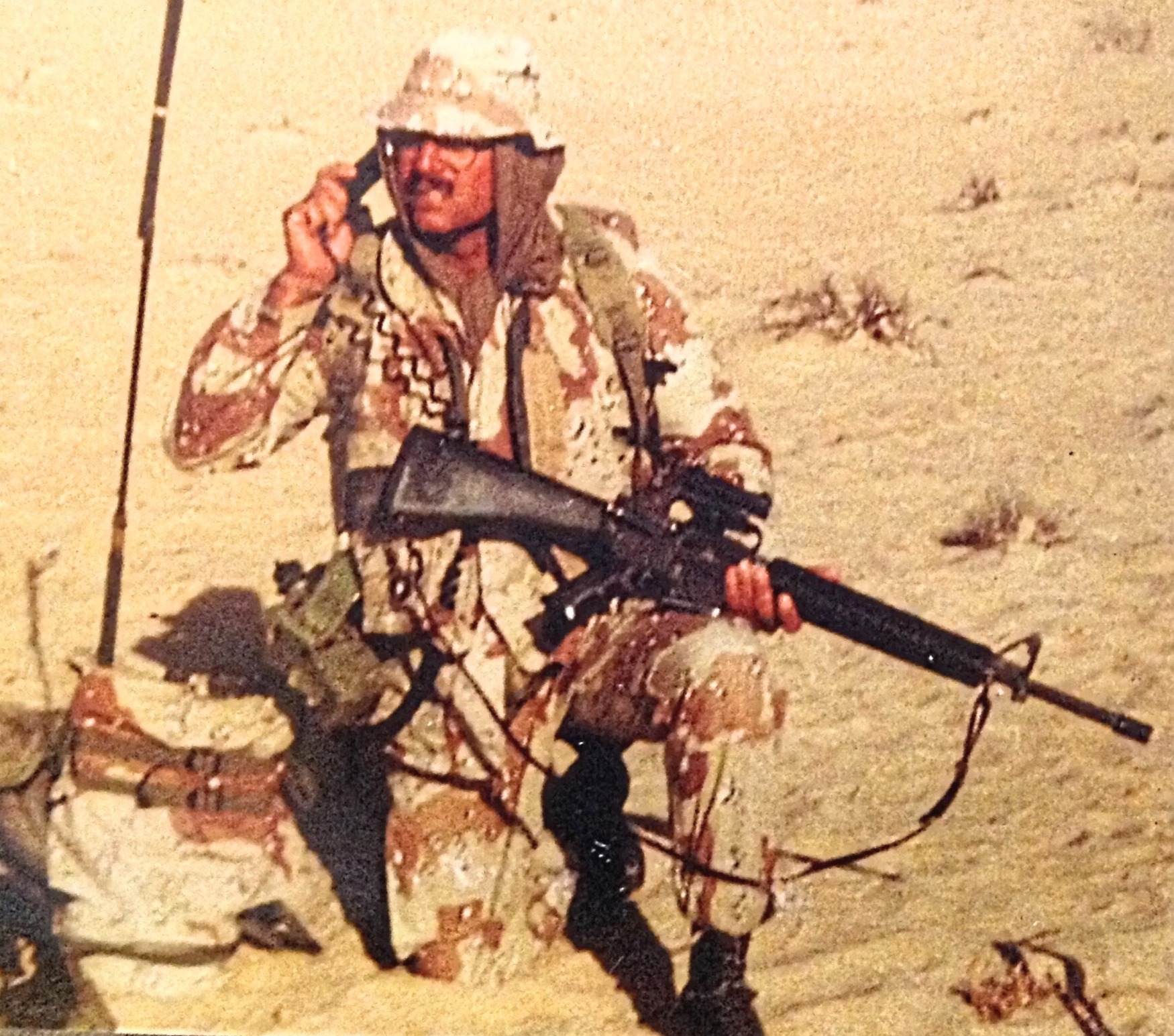
India Company • U.S. Marine Corps • 1991

3/3 • U.S. Marine Corps

3rd marines recon • U.S. Marine Corps • 1900

U.S. Marine Corps