
Opening branch overview
Building the branch home surface
Loading branch highlights, featured unit context, and gallery moments.
Overview
Members
Units
Building the branch home surface
Loading branch highlights, featured unit context, and gallery moments.
Building the branch units surface
Loading unit filters, rankings, and the branch unit grid.

7 members•1 unit
Relive and share the memories of your service-time with your brothers and sisters in arms today. VetFriends.com can help you reconnect.
Did you proudly serve in the Force Troops Fleet Marine Force Atlantic?
Are you looking for someone who is or was in the Force Troops Fleet Marine Force Atlantic?
Do you have Force Troops Fleet Marine Force Atlantic photos you'd like to share?
Then join a community with your brothers and sisters of the Force Troops Fleet Marine Force Atlantic.
Branch
U.S. Marine Corps
Members
7
Force Troops, Fleet Marine Force, Atlantic (FMFLANT), was established to provide specialized combat support and combat service support to the Marine Corps forces assigned to the U.S. Atlantic Fleet. Activated in the early Cold War era, the unit encompassed a variety of elements, including artillery, engineers, reconnaissance, and communications units, which were essential for amphibious and expeditionary operations. Throughout its history, Force Troops FMFLANT played a critical role in preparing Marine units for rapid deployment and supporting major exercises, contingency operations, and crisis responses throughout the Atlantic and Mediterranean theaters. The unit’s structure and mission evolved over time, eventually integrating into broader Marine Corps command organizations as operational needs changed in the post-Cold War era.
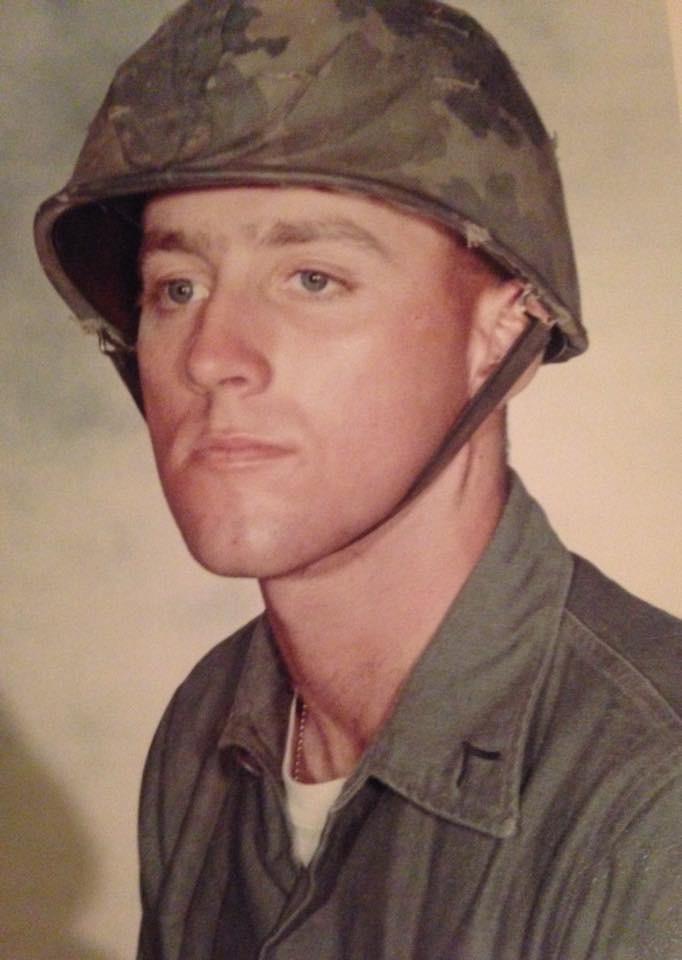
U.S. Marine Corps