
Opening branch overview
Building the branch home surface
Loading branch highlights, featured unit context, and gallery moments.
Overview
Members
Units
Building the branch home surface
Loading branch highlights, featured unit context, and gallery moments.
Building the branch units surface
Loading unit filters, rankings, and the branch unit grid.

37 members•1 unit
Relive and share the memories of your service-time with your brothers and sisters in arms today. VetFriends.com can help you reconnect.
Did you proudly serve in the Concord navel weapons station concord California?
Are you looking for someone who is or was in the Concord navel weapons station concord California?
Do you have Concord navel weapons station concord California photos you'd like to share?
Then join a community with your brothers and sisters of the Concord navel weapons station concord California.
Branch
U.S. Marine Corps
Members
37
Concord Naval Weapons Station, located in Concord, California, was established in 1942 as a vital munitions storage and shipping facility for the U.S. Navy during World War II. Throughout the war and into the Cold War era, the station played a key role in supplying ammunition and explosives to the Pacific Fleet, making it a crucial logistical hub. In 1944, the site was the scene of the tragic Port Chicago disaster, where a massive explosion killed 320 sailors and civilians, highlighting the dangers faced by ordnance workers. The station continued to operate through the Vietnam War and beyond, eventually being closed for military use in 2008, with portions transferred for public and commercial redevelopment.
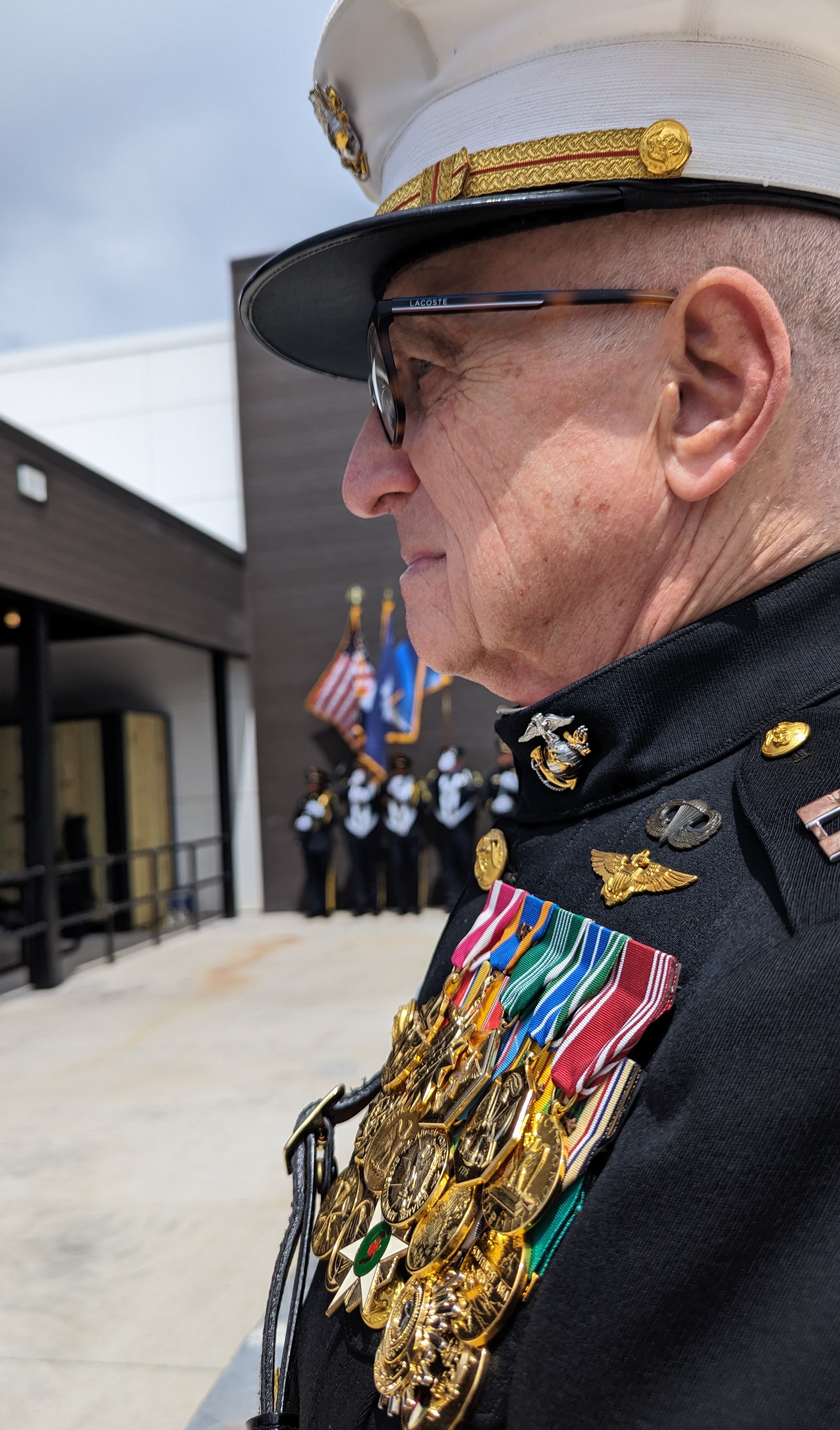
HML-267 HML-167 Vietnam Dec. 1969 to Dec.1970 • U.S. Marine Corps • 1968
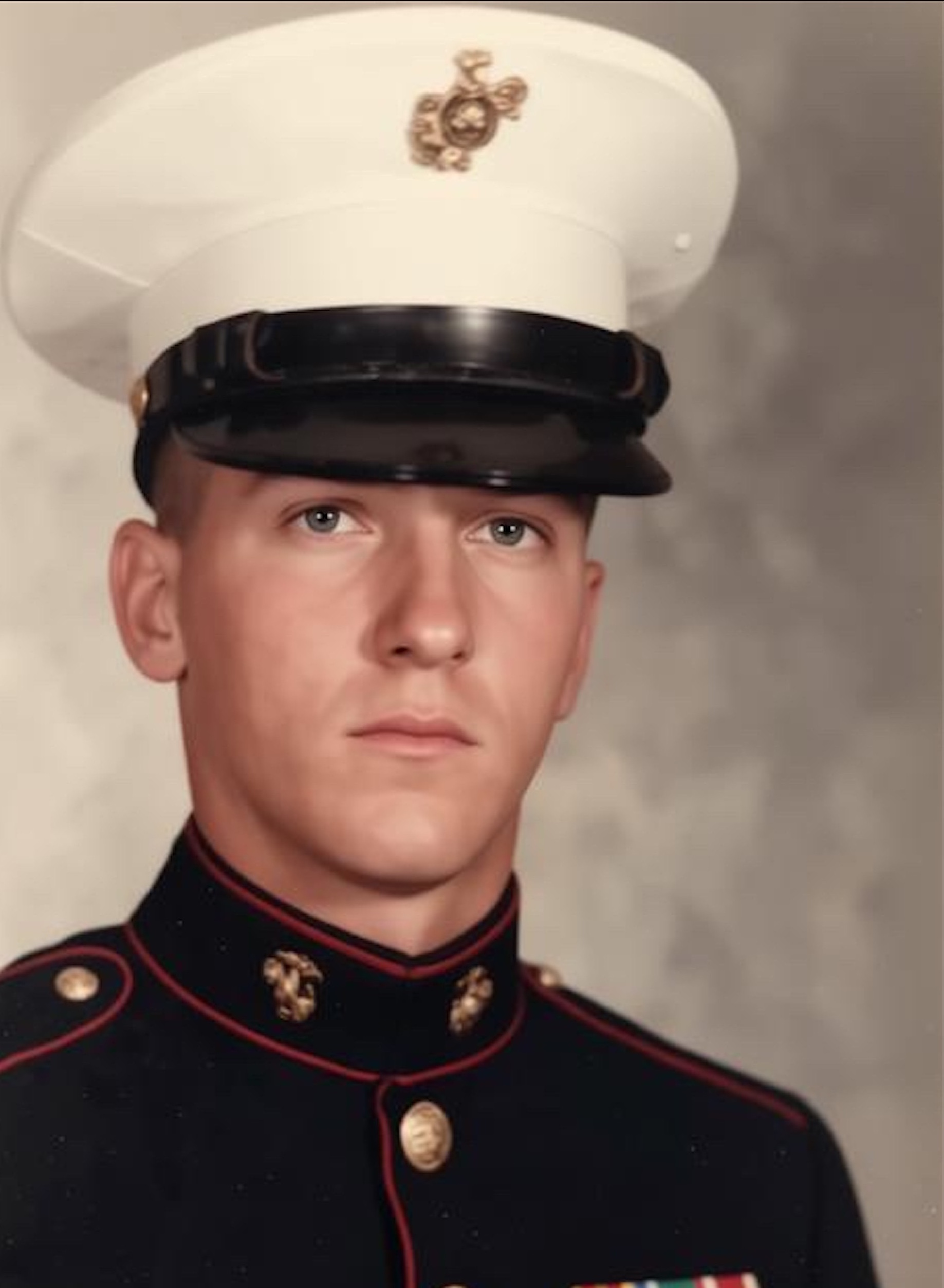
USMCRD PARRIS ISLAND, S.C. • U.S. Marine Corps • 1974
U.S. Marine Corps
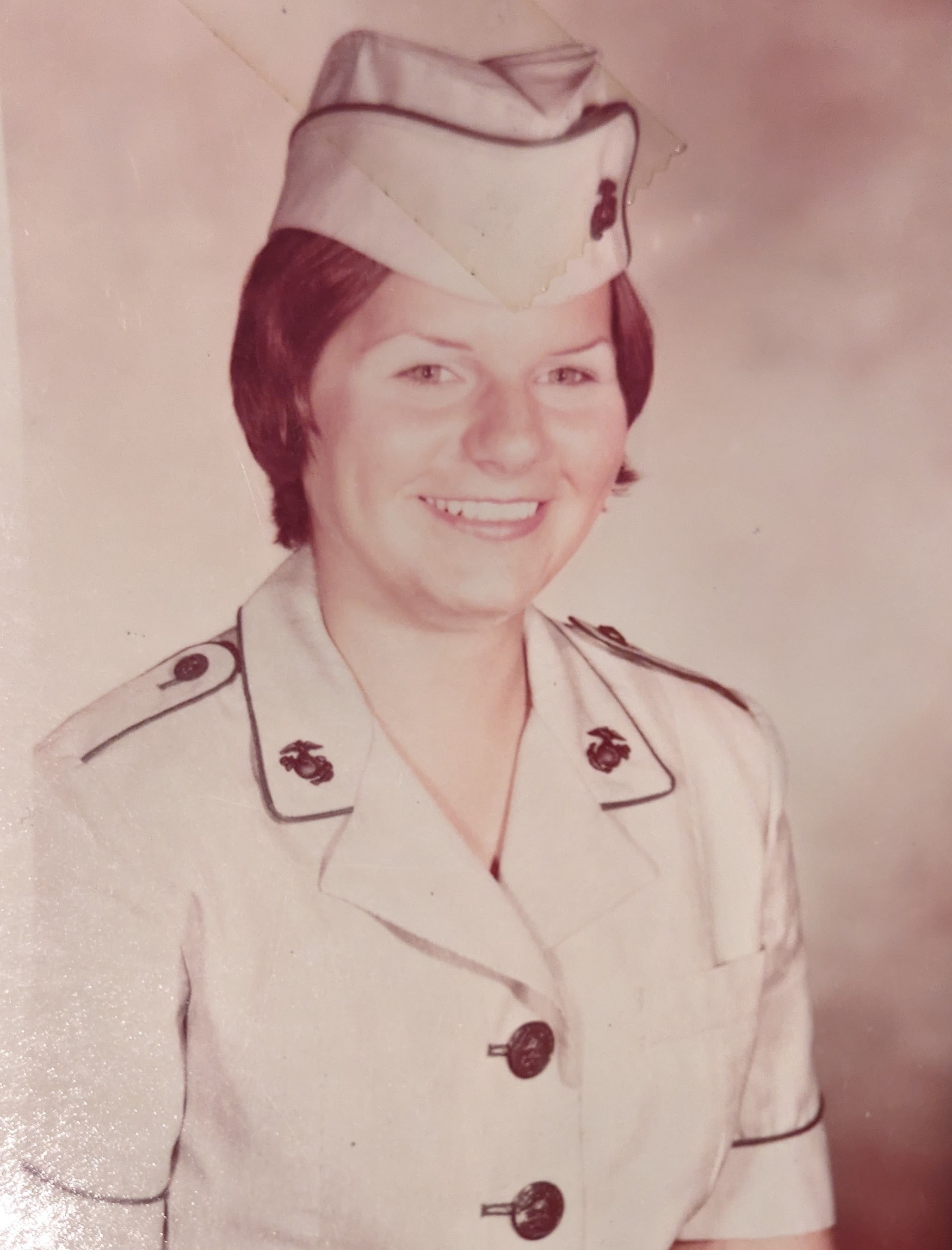
U.S. Marine Corps • 1972