
Opening branch overview
Building the branch home surface
Loading branch highlights, featured unit context, and gallery moments.
Overview
Members
Units
Building the branch home surface
Loading branch highlights, featured unit context, and gallery moments.
Building the branch units surface
Loading unit filters, rankings, and the branch unit grid.

1 members•1 unit
Relive and share the memories of your service-time with your brothers and sisters in arms today. VetFriends.com can help you reconnect.
Did you proudly serve in the COMSTRIKFORSOUTH?
Are you looking for someone who is or was in the COMSTRIKFORSOUTH?
Do you have COMSTRIKFORSOUTH photos you'd like to share?
Then join a community with your brothers and sisters of the COMSTRIKFORSOUTH.
Branch
U.S. Marine Corps
Members
1
COMSTRIKFORSOUTH, officially known as Commander, Striking Forces Southern Europe, was a key NATO command established in 1952 to oversee strike operations and rapid response in Southern Europe during the Cold War. Headquartered initially in Naples, Italy, COMSTRIKFORSOUTH was responsible for coordinating multinational air and naval forces, particularly in the Mediterranean region. The unit played a crucial role in planning and conducting joint exercises and served as a deterrent against potential Soviet aggression in Southern Europe. Following the end of the Cold War, its mission was adapted, and the command was eventually deactivated in 2004 as NATO restructured its operational commands.
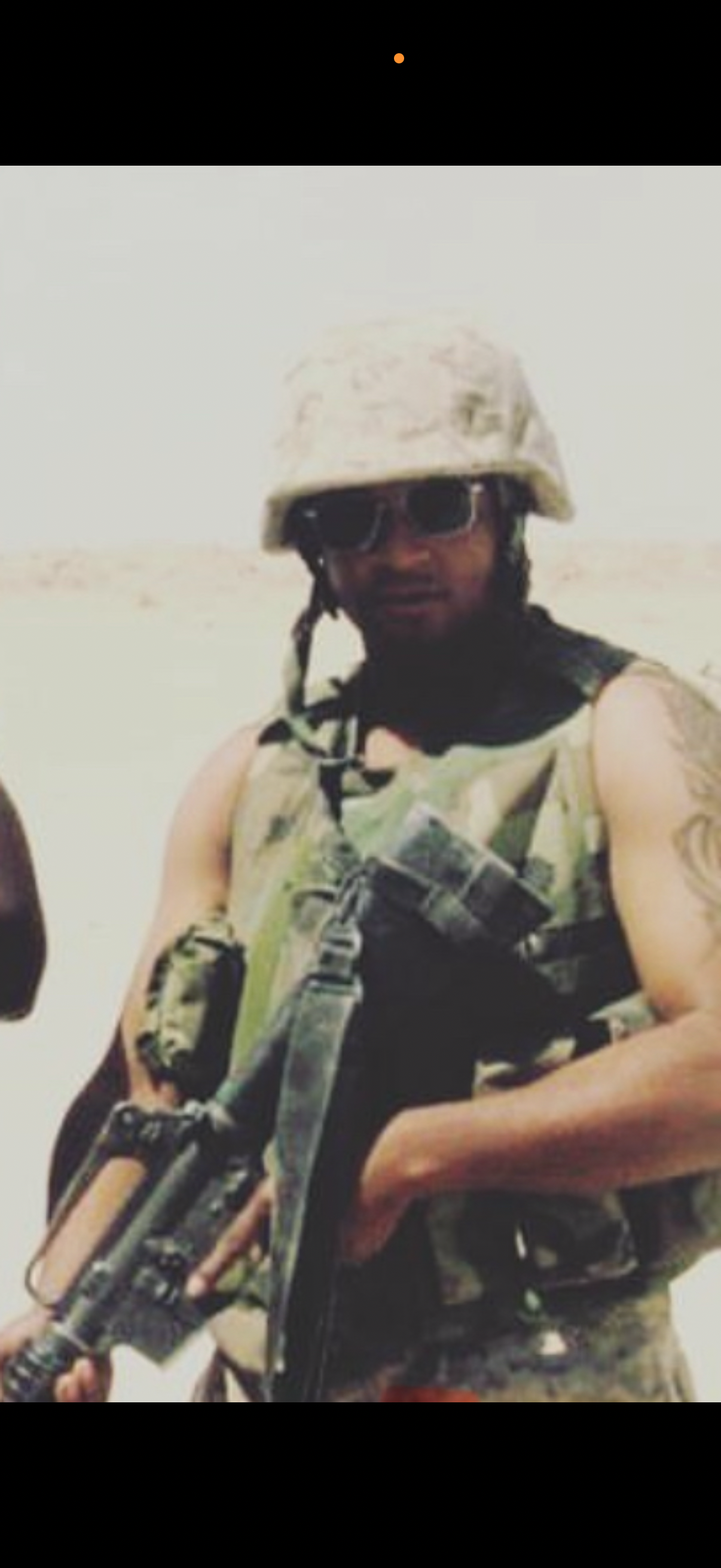
U.S. Marine Corps
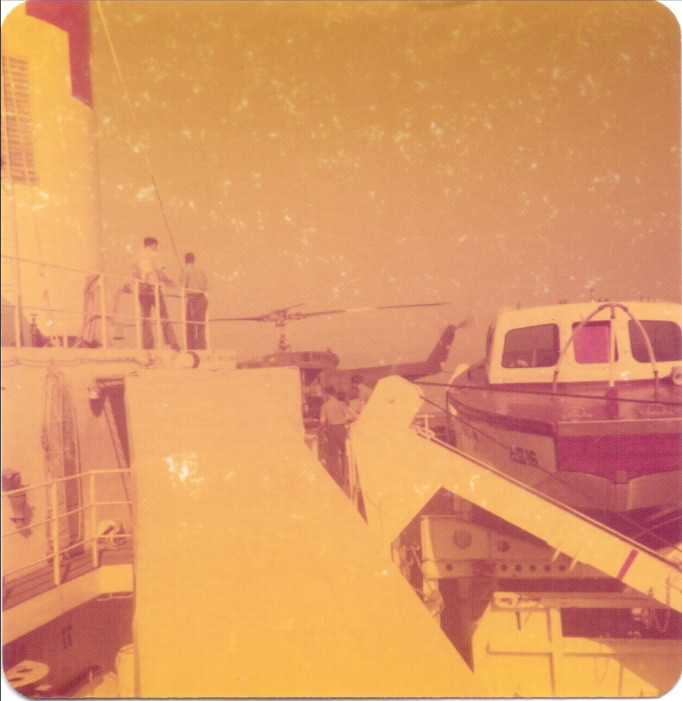
U.S. Marine Corps • 1968
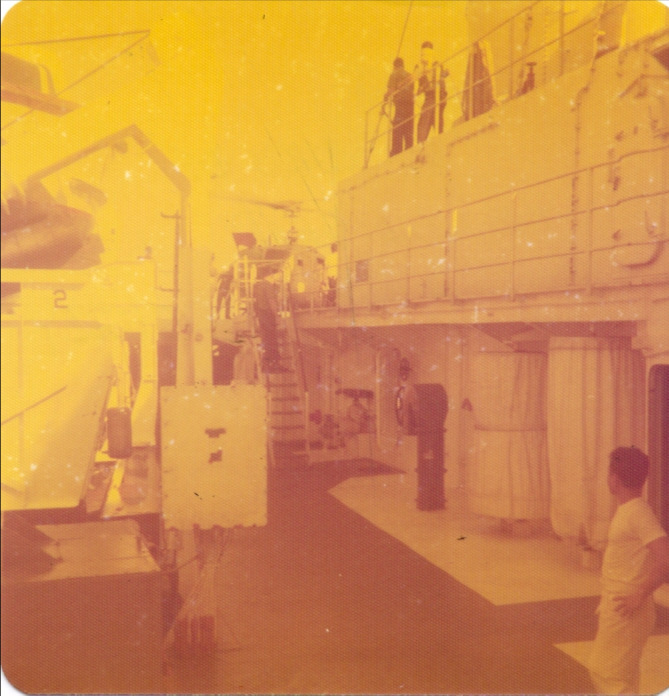
U.S. Marine Corps • 1968
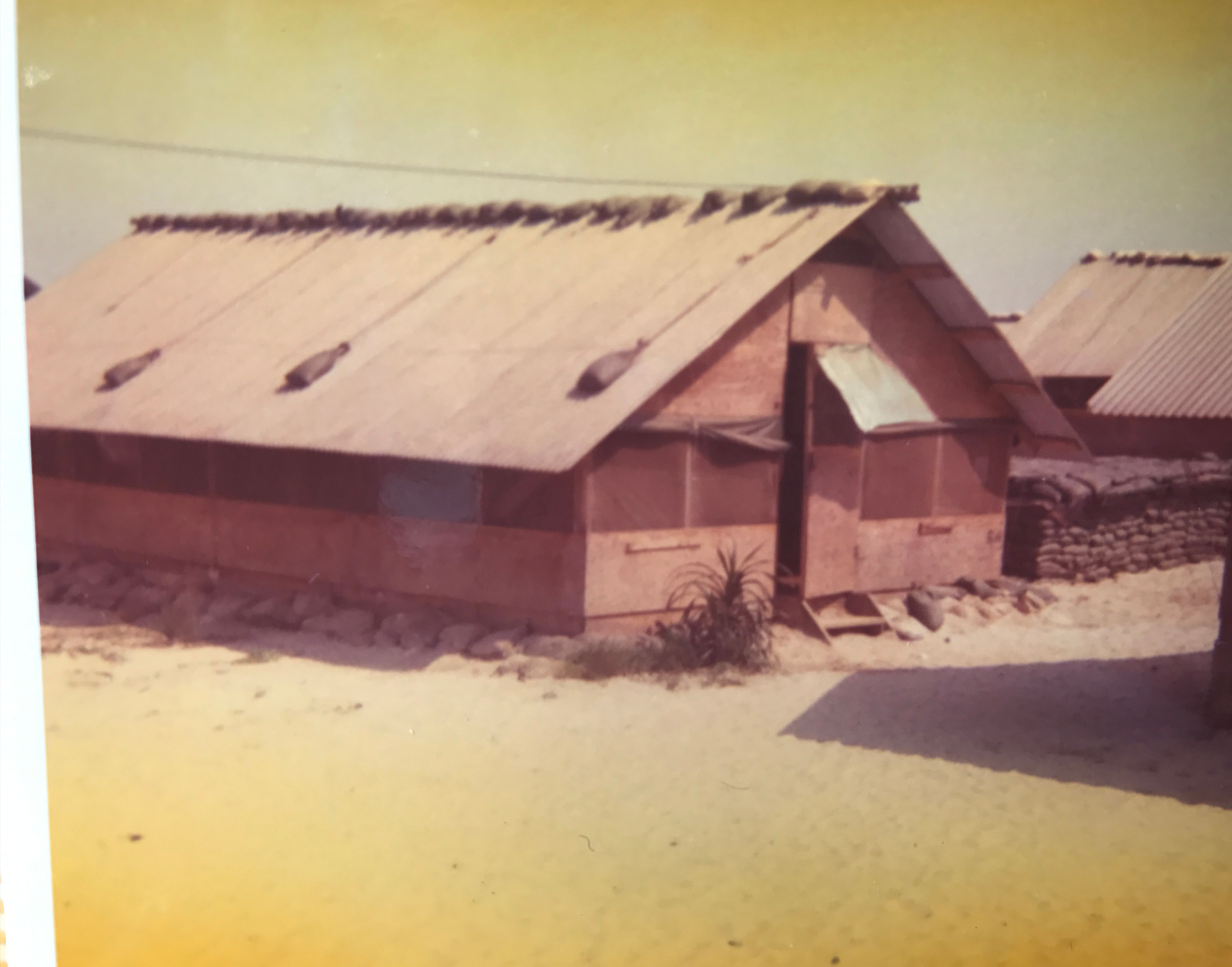
U.S. Marine Corps