
Opening branch overview
Building the branch home surface
Loading branch highlights, featured unit context, and gallery moments.
Overview
Members
Units
Building the branch home surface
Loading branch highlights, featured unit context, and gallery moments.
Building the branch units surface
Loading unit filters, rankings, and the branch unit grid.

U.S. Marine Corps•11 members
Relive and share the memories of your service-time with your brothers and sisters in arms today. VetFriends.com can help you reconnect.
Did you proudly serve in the CAP Marines?
Are you looking for someone who is or was in the CAP Marines?
Do you have CAP Marines photos you'd like to share?
Then join a community with your brothers and sisters of the CAP Marines.
The **Combined Action Program (CAP) Marines** were a unique unit formed by the United States Marine Corps during the Vietnam War, beginning in 1965. Their mission was to integrate small groups of Marines with local South Vietnamese Popular Forces in rural villages, providing both military training and security against Viet Cong insurgents. CAP Marines not only engaged in combat operations but also worked to win the "hearts and minds" of the local population through civic action and community engagement. The program was considered innovative for its emphasis on counterinsurgency and partnership, and it left a lasting legacy on U.S. military doctrine regarding irregular warfare.
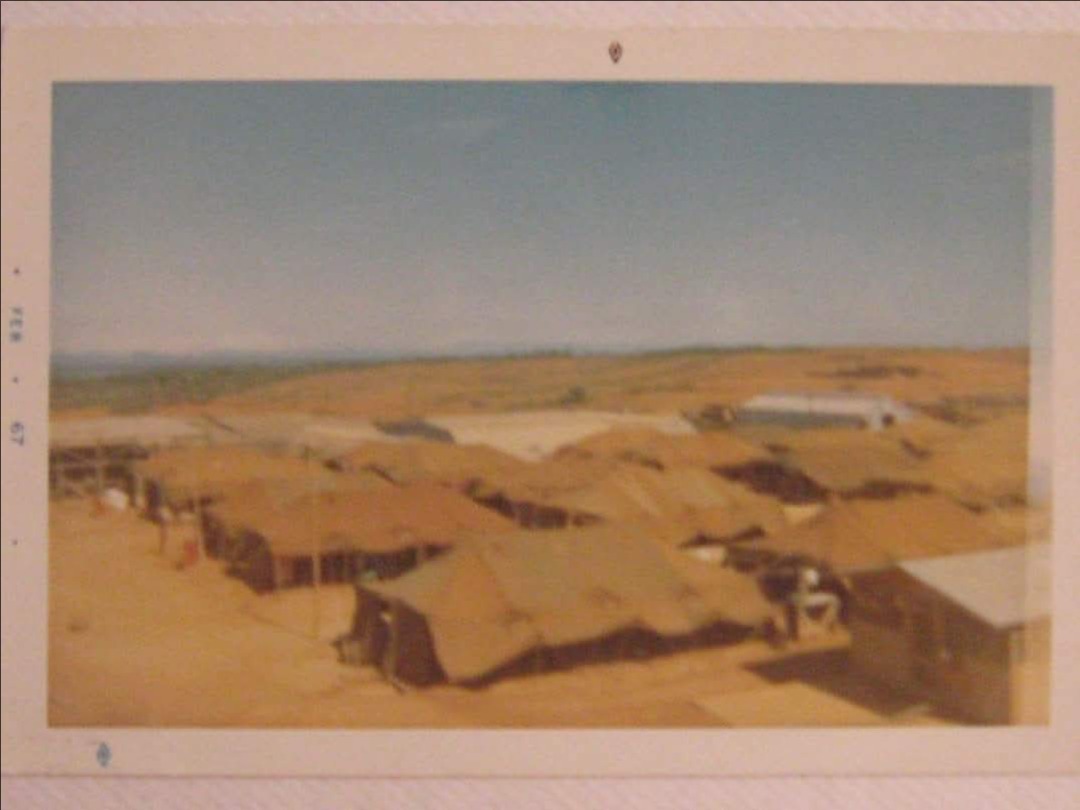
U.S. Marine Corps
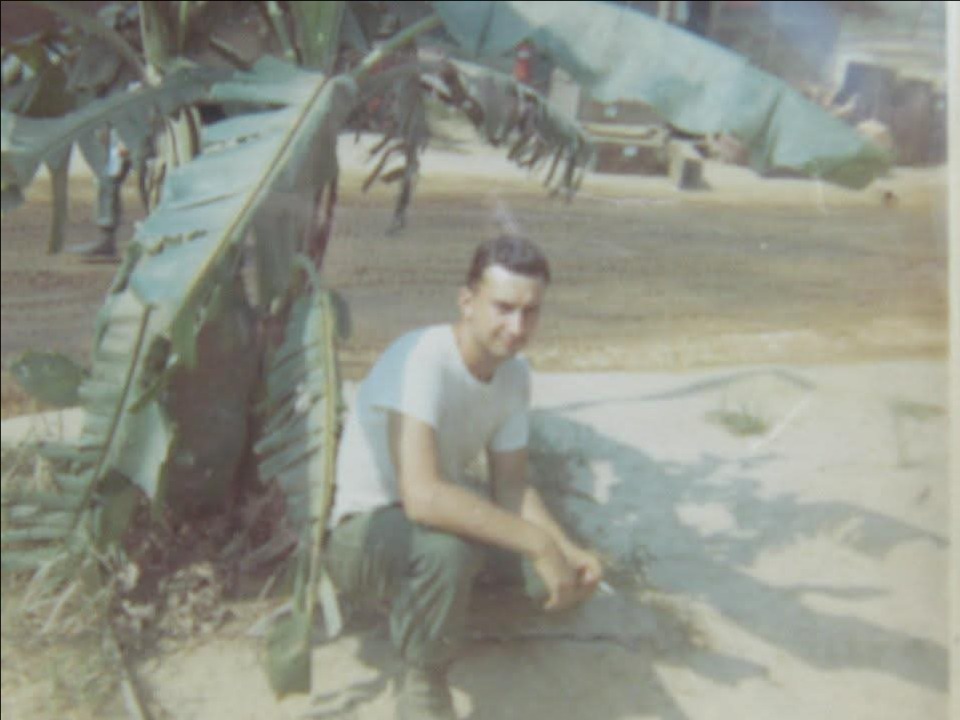
U.S. Marine Corps
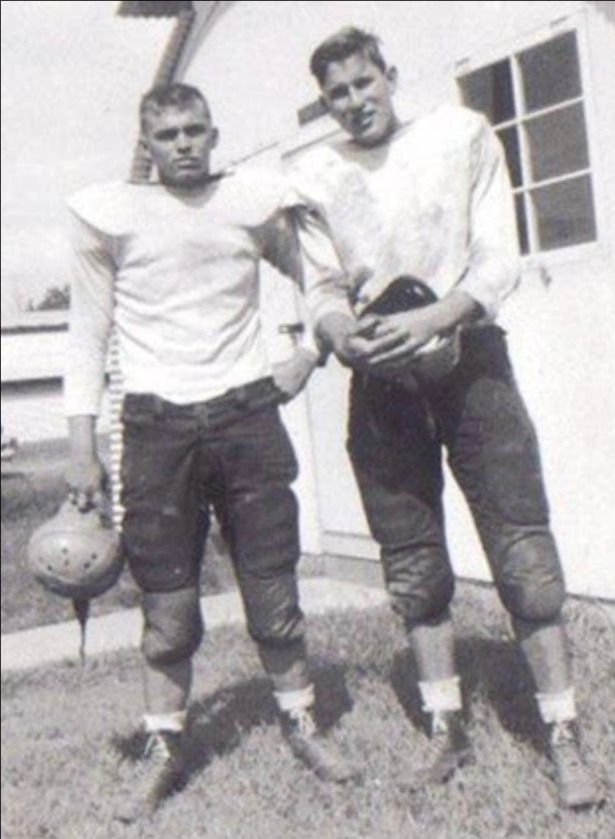
U.S. Marine Corps

2nd Marine Aircraft Wing • U.S. Marine Corps • 1971