
Opening branch overview
Building the branch home surface
Loading branch highlights, featured unit context, and gallery moments.
Overview
Members
Units
Building the branch home surface
Loading branch highlights, featured unit context, and gallery moments.
Building the branch units surface
Loading unit filters, rankings, and the branch unit grid.

5 members•1 unit
Relive and share the memories of your service-time with your brothers and sisters in arms today. VetFriends.com can help you reconnect.
Did you proudly serve in the 7th Marine Amphibious Brigade?
Are you looking for someone who is or was in the 7th Marine Amphibious Brigade?
Do you have 7th Marine Amphibious Brigade photos you'd like to share?
Then join a community with your brothers and sisters of the 7th Marine Amphibious Brigade.
Branch
U.S. Marine Corps
Members
5
The 7th Marine Amphibious Brigade (7th MAB) was a United States Marine Corps formation activated during the Cold War, primarily based at Camp Pendleton, California. Established in 1965, the brigade was designed to provide a rapid-response amphibious force capable of projecting power in the Pacific and Indian Ocean regions. The 7th MAB played a significant role during the Vietnam War era, serving as a contingency force and participating in amphibious exercises and operations. In the 1980s, the brigade was redesignated as the 7th Marine Expeditionary Brigade (7th MEB), continuing its legacy as a flexible, forward-deployed Marine Air-Ground Task Force.
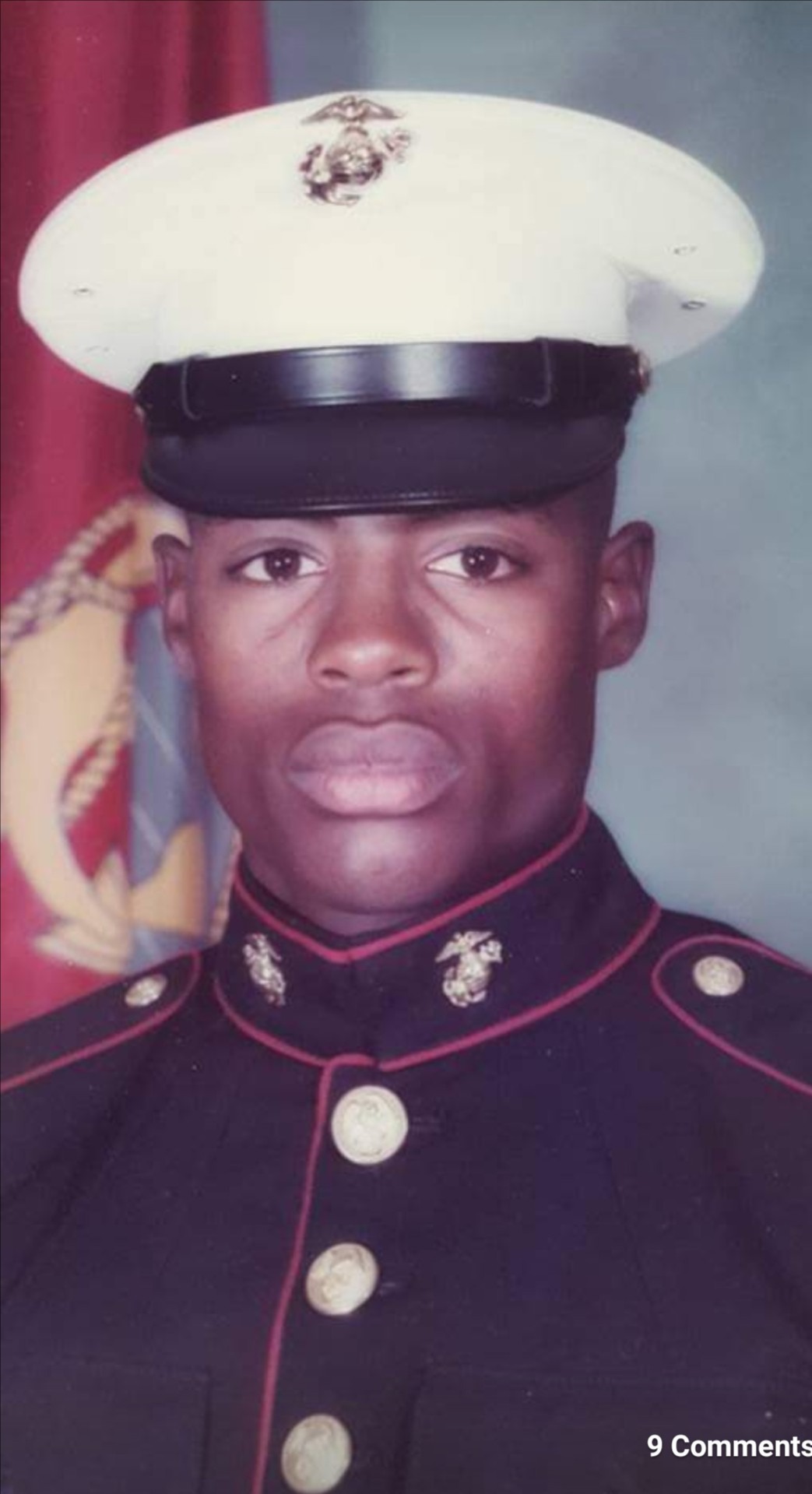
U.S. Marine Corps
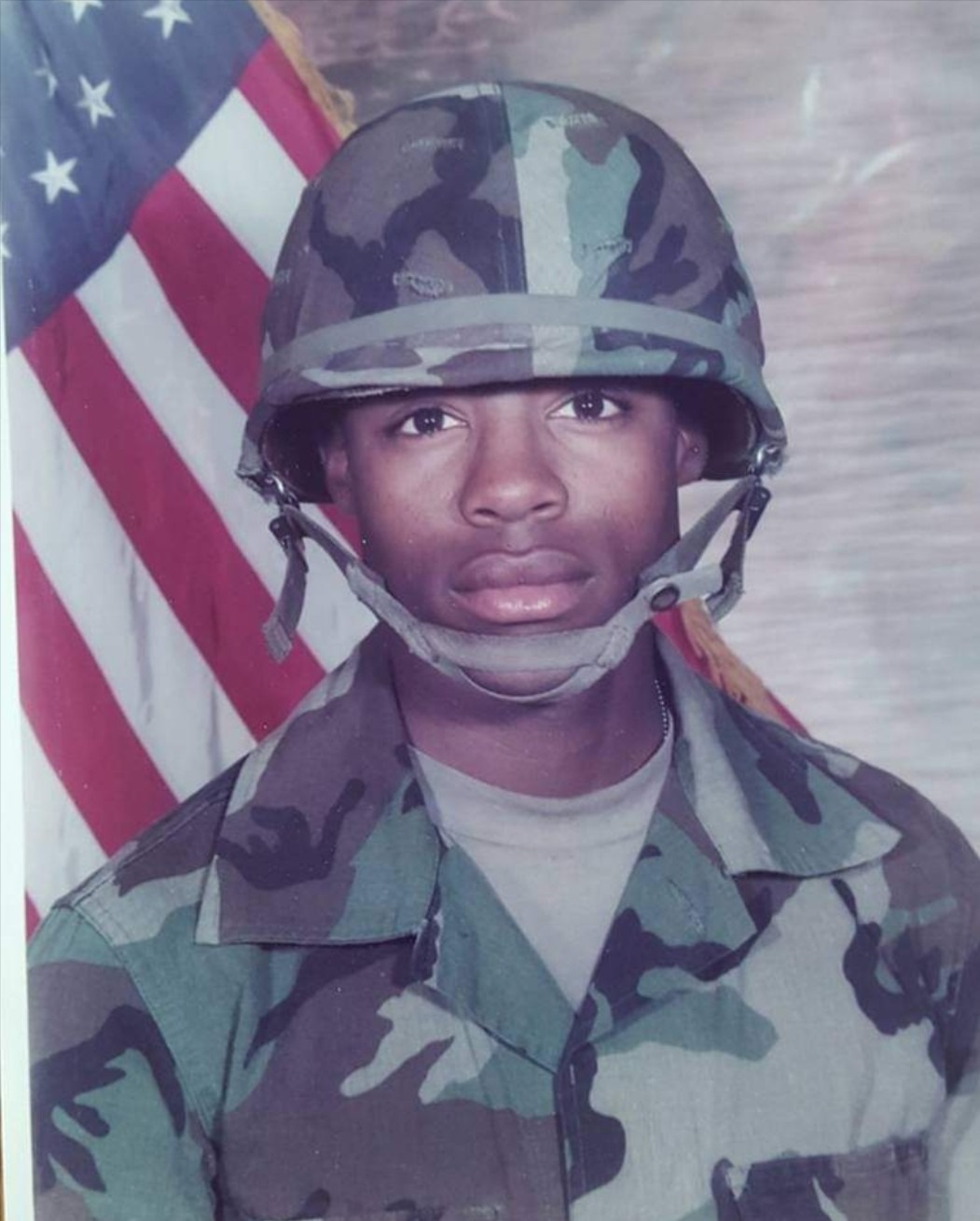
U.S. Marine Corps
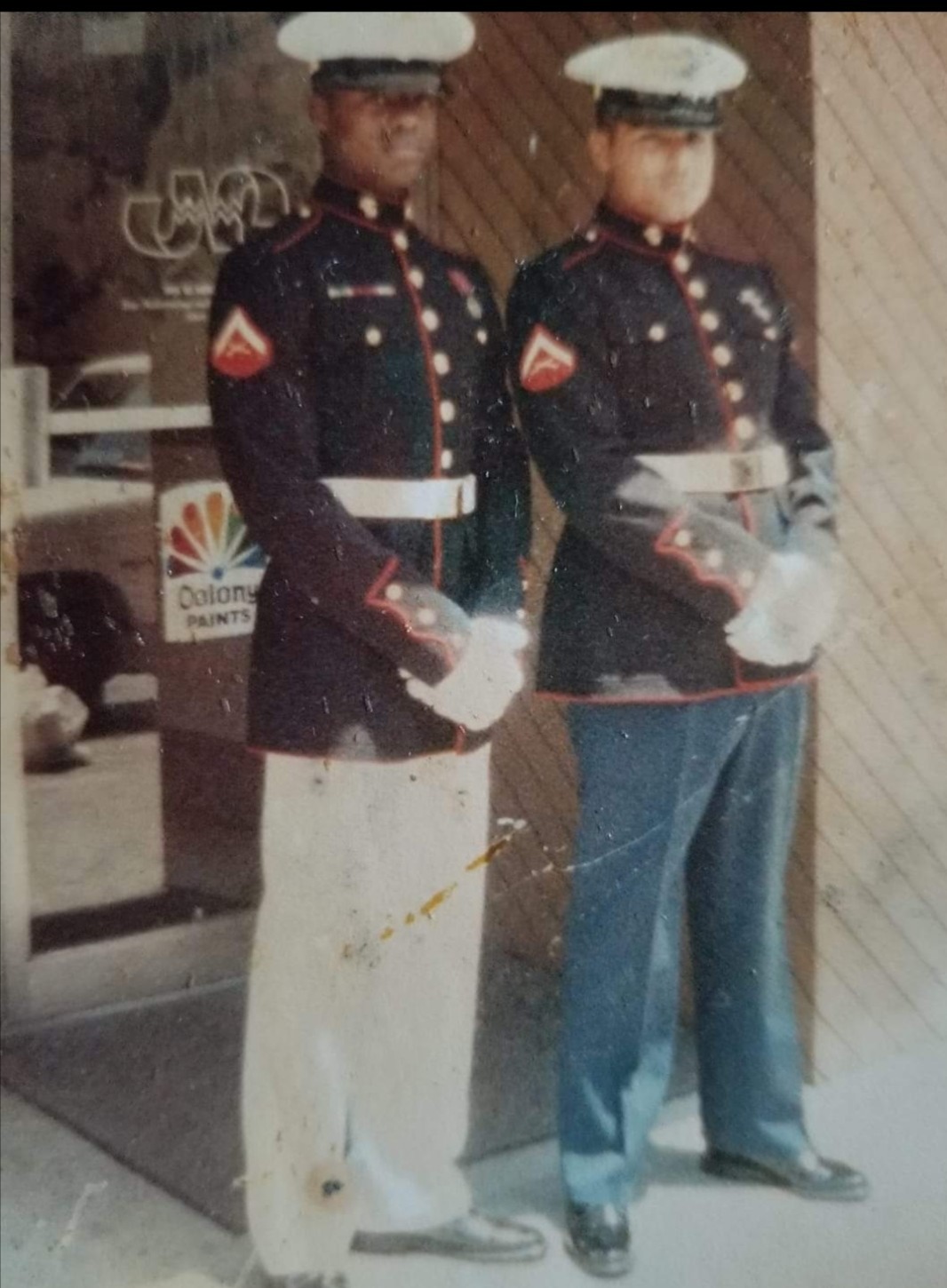
U.S. Marine Corps
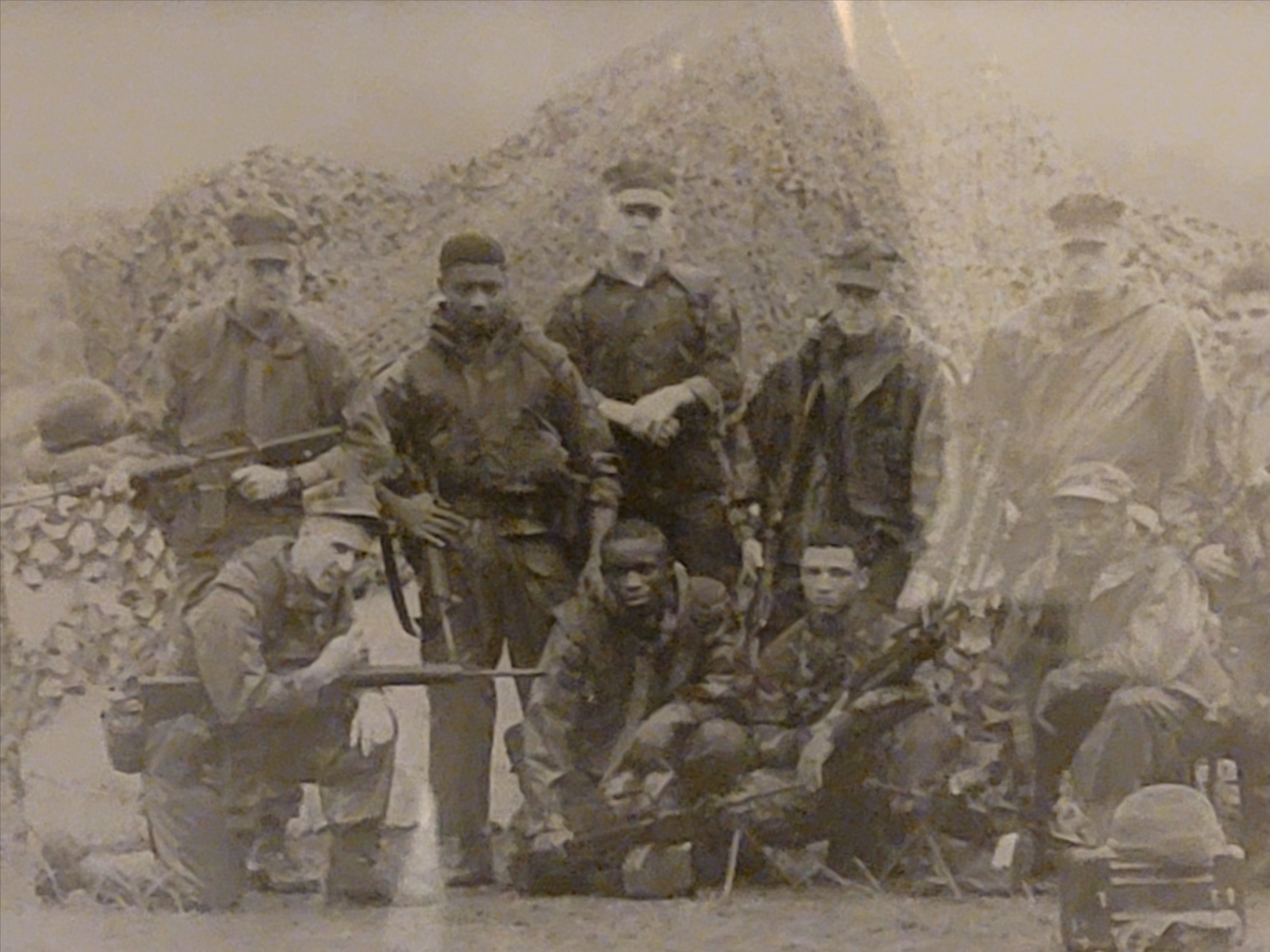
U.S. Marine Corps