
Opening branch overview
Building the branch home surface
Loading branch highlights, featured unit context, and gallery moments.
Overview
Members
Units
Building the branch home surface
Loading branch highlights, featured unit context, and gallery moments.
Building the branch units surface
Loading unit filters, rankings, and the branch unit grid.

2 members•1 unit
Relive and share the memories of your service-time with your brothers and sisters in arms today. VetFriends.com can help you reconnect.
Did you proudly serve in the 6th Mab?
Are you looking for someone who is or was in the 6th Mab?
Do you have 6th Mab photos you'd like to share?
Then join a community with your brothers and sisters of the 6th Mab.
Branch
U.S. Marine Corps
Members
2
The 6th Marine Amphibious Brigade (6th MAB) was a task-organized unit of the United States Marine Corps, formed to provide rapid, flexible amphibious capabilities for contingency operations. Activated during times of crisis, such as the Lebanon intervention in 1982-1984, the 6th MAB comprised infantry, aviation, and support elements, enabling it to conduct a wide range of missions from peacekeeping to combat operations. The brigade played a key role in the multinational peacekeeping force in Beirut, demonstrating the Marines’ expeditionary and amphibious warfare expertise. After completing its missions, the 6th MAB was typically deactivated, with its components reassigned to other Marine Corps units.
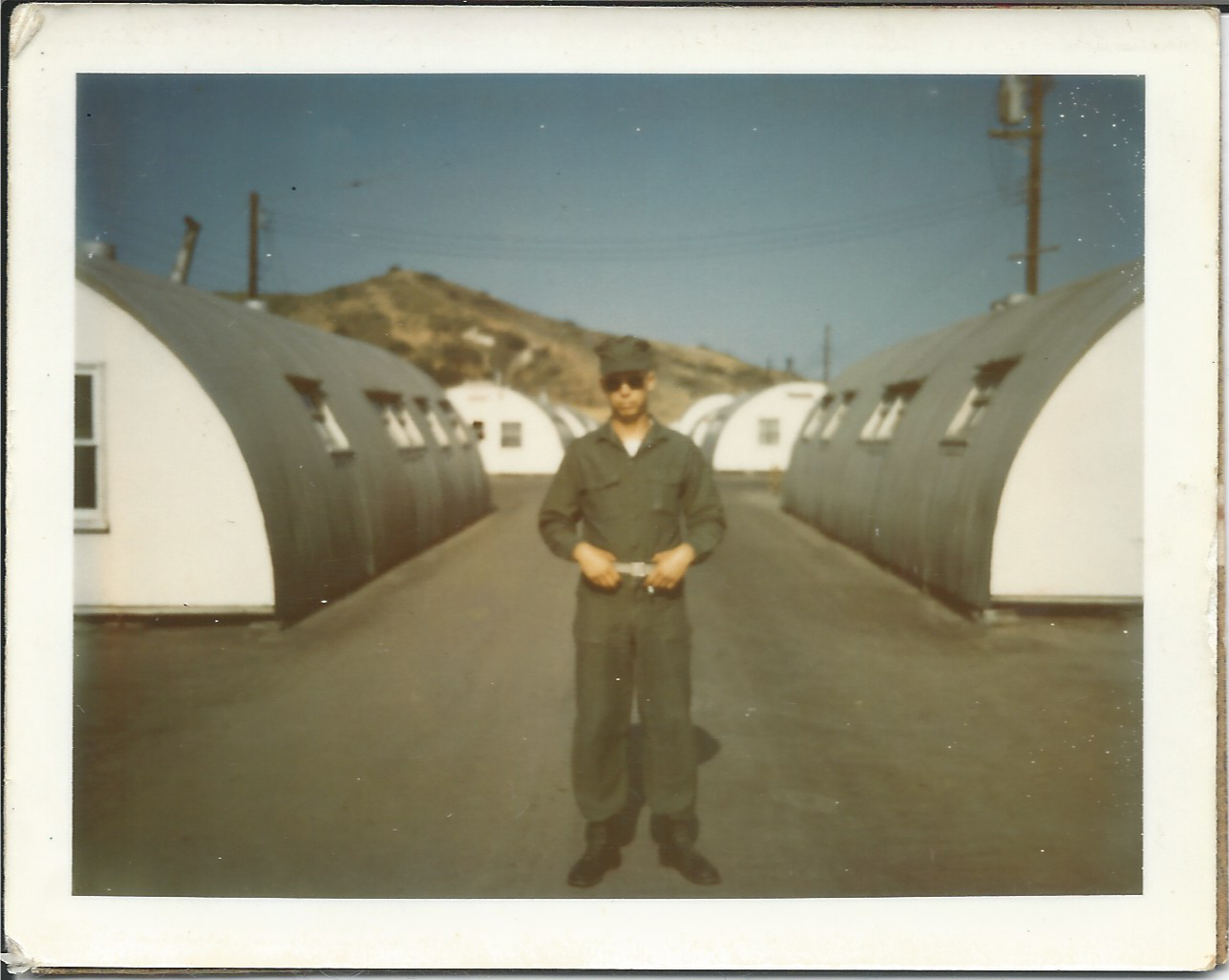
1st Marine Division • U.S. Marine Corps • 1969
3rd Battalion, 1st Marines • U.S. Marine Corps • 1969
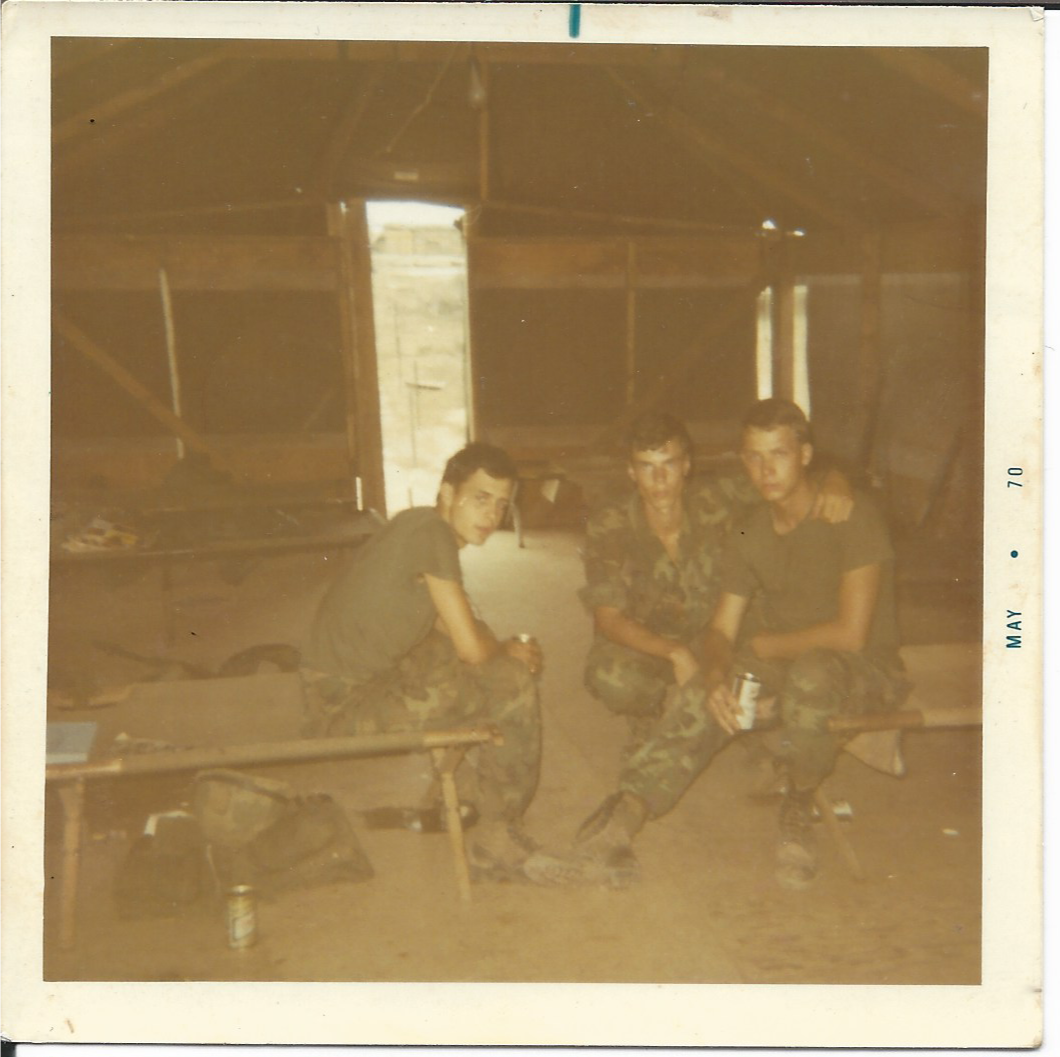
3rd Battalion, 1st Marines • U.S. Marine Corps • 1970
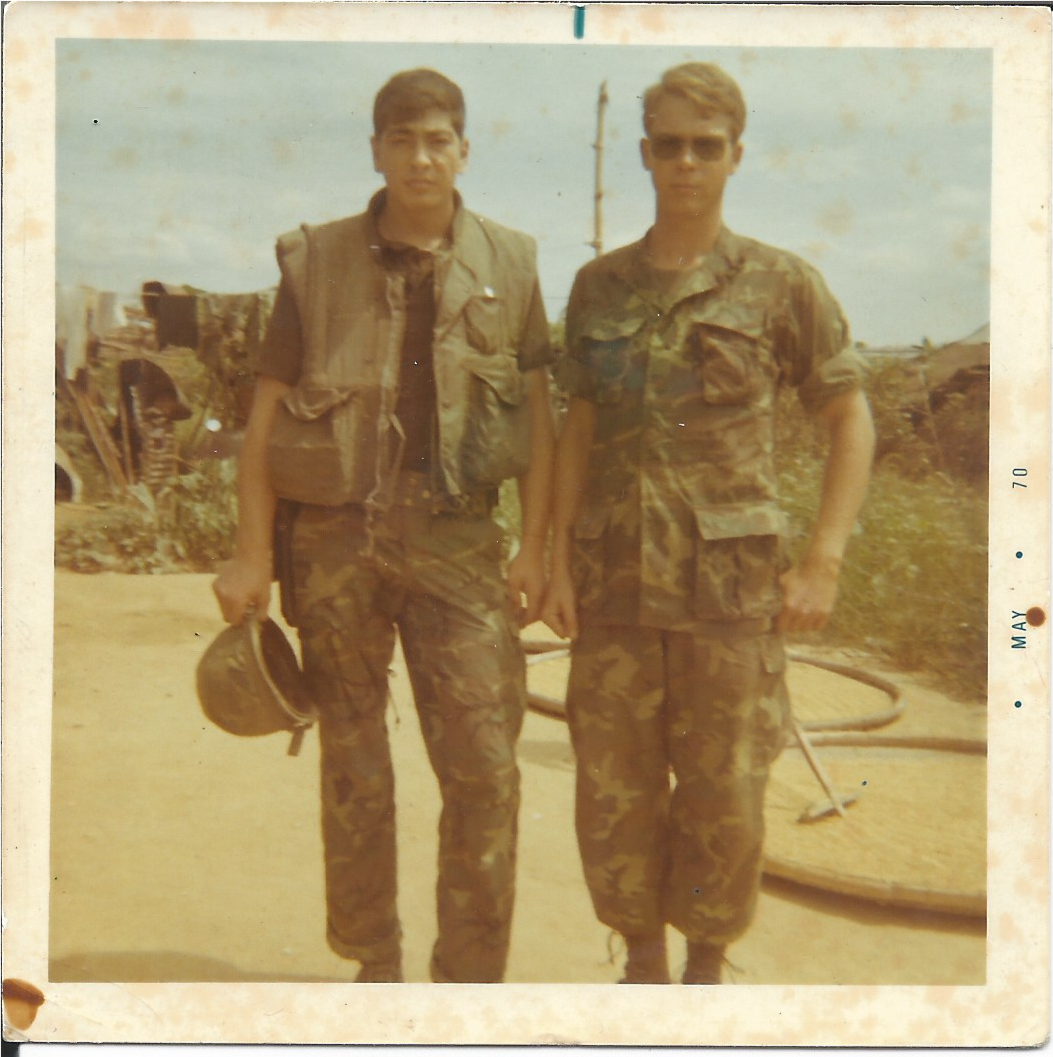
3rd Battalion, 1st Marines • U.S. Marine Corps • 1970