
Opening branch overview
Building the branch home surface
Loading branch highlights, featured unit context, and gallery moments.
Overview
Members
Units
Building the branch home surface
Loading branch highlights, featured unit context, and gallery moments.
Building the branch units surface
Loading unit filters, rankings, and the branch unit grid.

U.S. Marine Corps•28 members
Relive and share the memories of your service-time with your brothers and sisters in arms today. VetFriends.com can help you reconnect.
Did you proudly serve in the 3rd LAAM Cherry Point?
Are you looking for someone who is or was in the 3rd LAAM Cherry Point?
Do you have 3rd LAAM Cherry Point photos you'd like to share?
Then join a community with your brothers and sisters of the 3rd LAAM Cherry Point.
The 3rd Light Antiaircraft Missile Battalion (3rd LAAM) was a United States Marine Corps unit activated in the late 1950s, initially at Marine Corps Base 29 Palms, California, before relocating to Marine Corps Air Station Cherry Point, North Carolina. The battalion was equipped with the HAWK (Homing All the Way Killer) surface-to-air missile system, providing vital air defense capabilities for Fleet Marine Forces on the East Coast. Throughout the Cold War period, 3rd LAAM participated in numerous training exercises and played a key role in advancing Marine Corps air defense doctrine. The unit was eventually deactivated in the 1970s as technological advancements and force restructuring led to changes in Marine Corps air defense organization.

2nd Marine Aircraft Wing • U.S. Marine Corps • 1971
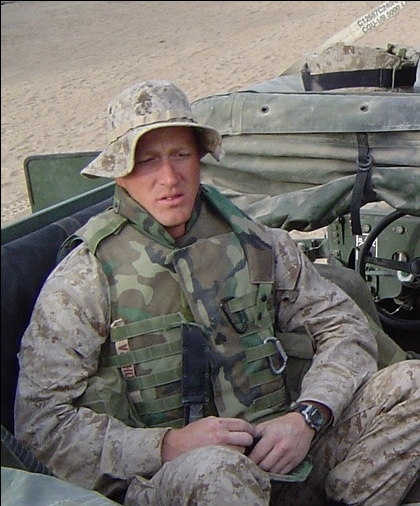
9TH COMM BN • U.S. Marine Corps

1st Force Recon • U.S. Marine Corps • 1967

U.S. Marine Corps • 1984