
Opening branch overview
Building the branch home surface
Loading branch highlights, featured unit context, and gallery moments.
Overview
Members
Units
Building the branch home surface
Loading branch highlights, featured unit context, and gallery moments.
Building the branch units surface
Loading unit filters, rankings, and the branch unit grid.

13 members•1 unit
Relive and share the memories of your service-time with your brothers and sisters in arms today. VetFriends.com can help you reconnect.
Did you proudly serve in the 2nd Battalion 26th Marines?
Are you looking for someone who is or was in the 2nd Battalion 26th Marines?
Do you have 2nd Battalion 26th Marines photos you'd like to share?
Then join a community with your brothers and sisters of the 2nd Battalion 26th Marines.
Branch
U.S. Marine Corps
Members
13
The 2nd Battalion, 26th Marines (2/26) was an infantry battalion of the United States Marine Corps, first activated during World War II in 1944. The battalion saw intense combat in the Battle of Iwo Jima, contributing significantly to the capture of the island. Reactivated for the Vietnam War, 2/26 participated in numerous major operations, including the defense of Khe Sanh during the 1968 siege. The battalion was deactivated in 1970 following its return from Vietnam, having earned a distinguished combat record.
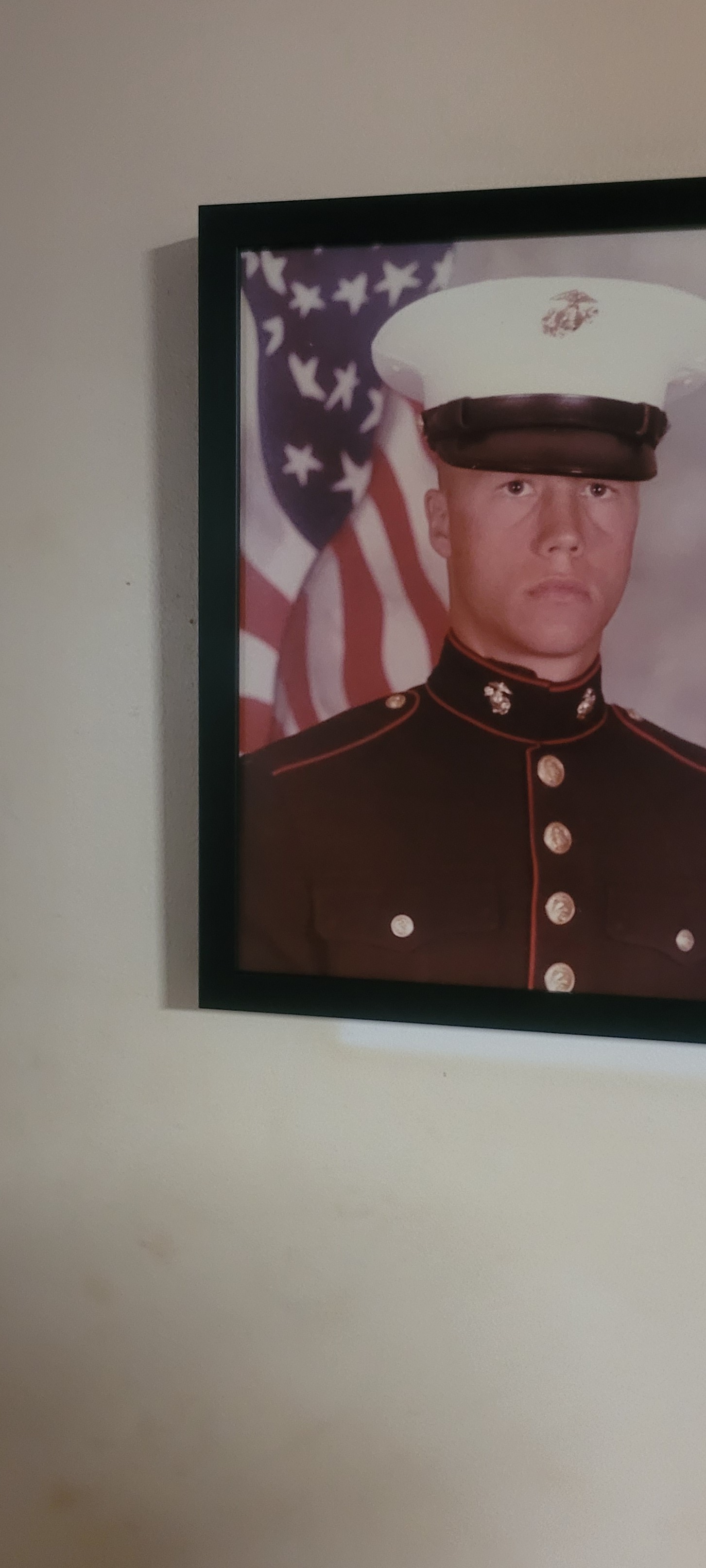
2nd Bn, 10th Mariners Artillery • U.S. Marine Corps
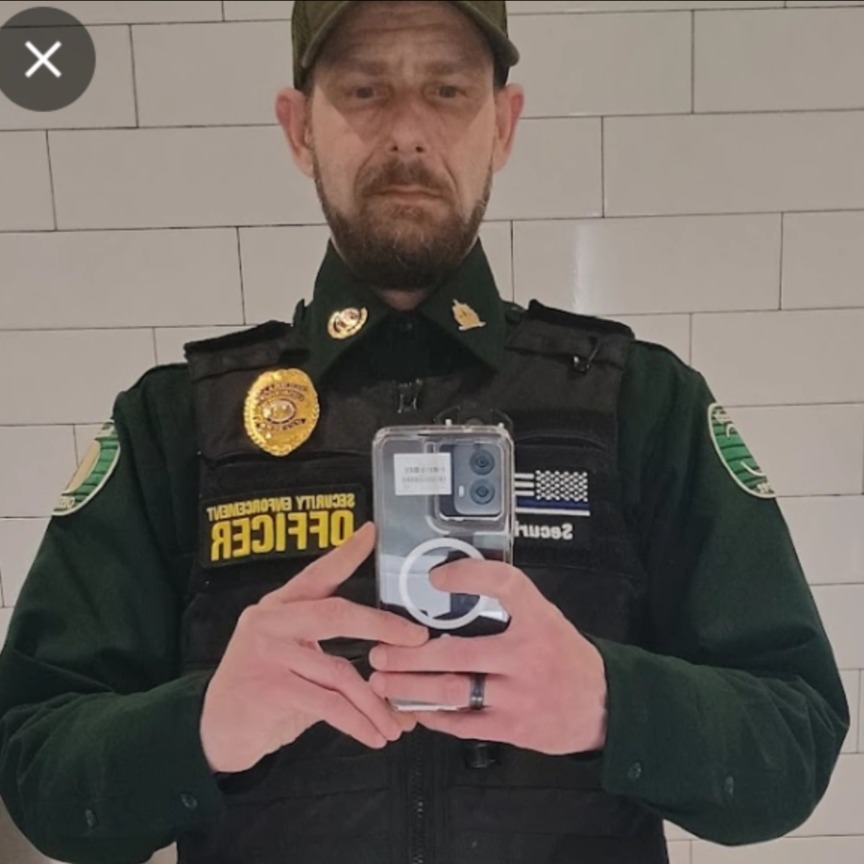
MP 3rd • U.S. Marine Corps • 1998
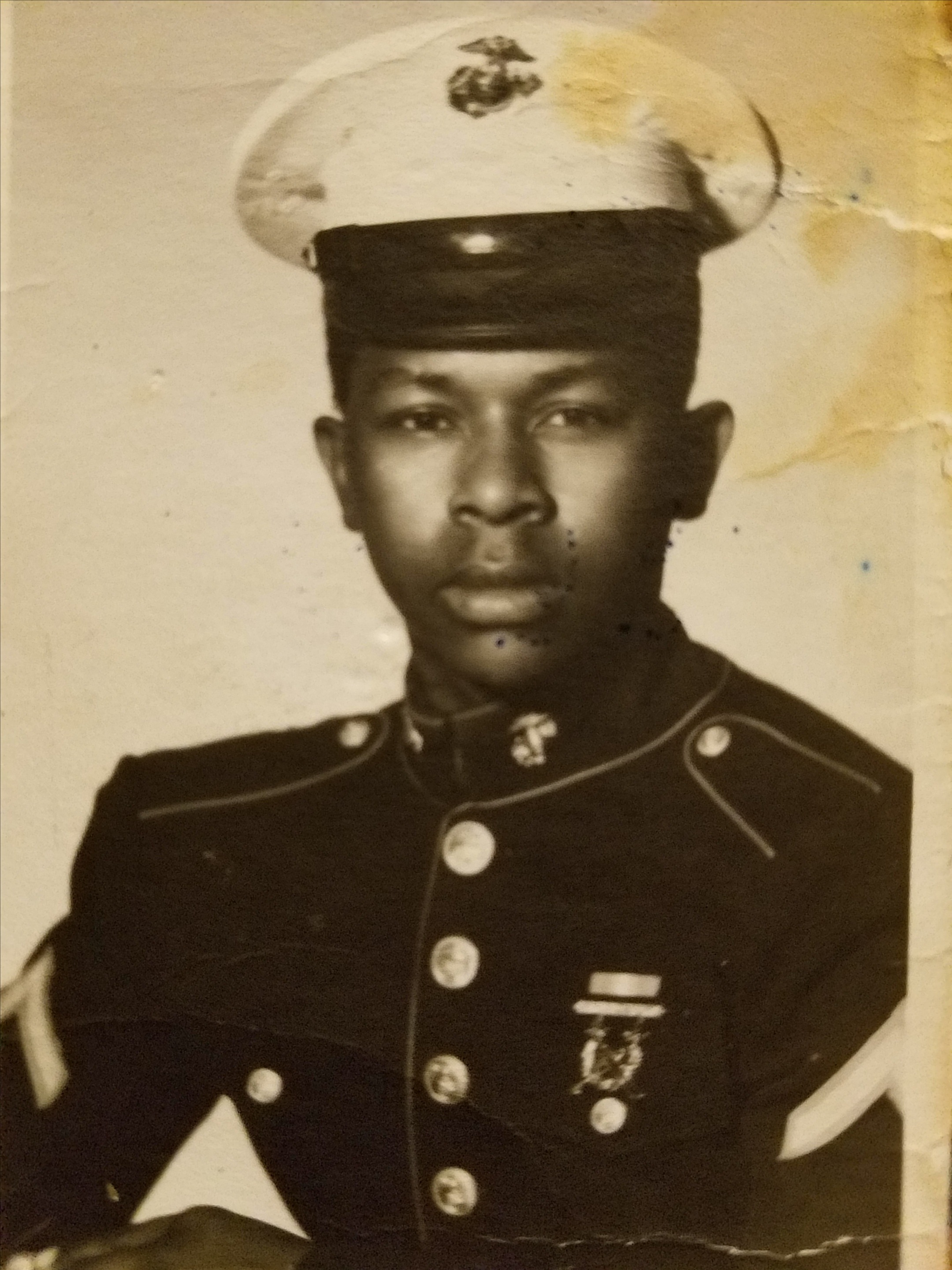
U.S. Marine Corps

U.S. Marine Corps