
Opening branch overview
Building the branch home surface
Loading branch highlights, featured unit context, and gallery moments.
Overview
Members
Units
Building the branch home surface
Loading branch highlights, featured unit context, and gallery moments.
Building the branch units surface
Loading unit filters, rankings, and the branch unit grid.

69 members•1 unit
Relive and share the memories of your service-time with your brothers and sisters in arms today. VetFriends.com can help you reconnect.
Did you proudly serve in the 2nd ANGLICO FMF?
Are you looking for someone who is or was in the 2nd ANGLICO FMF?
Do you have 2nd ANGLICO FMF photos you'd like to share?
Then join a community with your brothers and sisters of the 2nd ANGLICO FMF.
Branch
U.S. Marine Corps
Members
69
The 2nd Air Naval Gunfire Liaison Company (2nd ANGLICO), Fleet Marine Force (FMF), was originally activated in 1950 at Camp Lejeune, North Carolina, to provide specialized fire support coordination and liaison capabilities for Marine Air-Ground Task Forces and allied units. Throughout its history, 2nd ANGLICO has played a critical role in integrating naval gunfire, close air support, and artillery fires in support of joint and coalition operations, including deployments during the Cold War, Operation Desert Storm, and the Global War on Terrorism. The unit is renowned for its expertise in supporting unconventional warfare and working alongside partner nation forces. Today, 2nd ANGLICO continues to serve as a vital asset for the U.S. Marine Corps, ensuring the effective employment of supporting arms across a range of military operations.
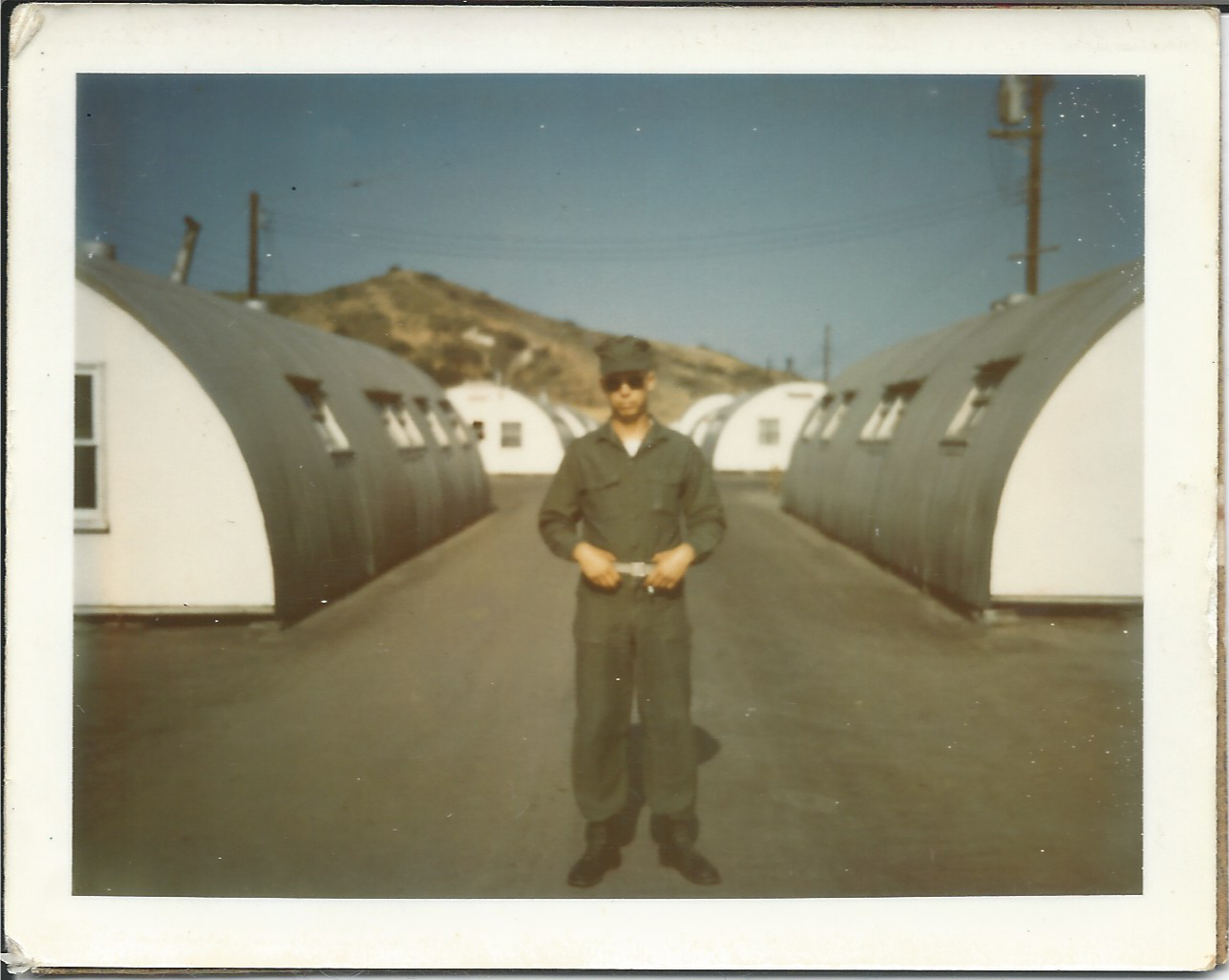
1st Marine Division • U.S. Marine Corps • 1969
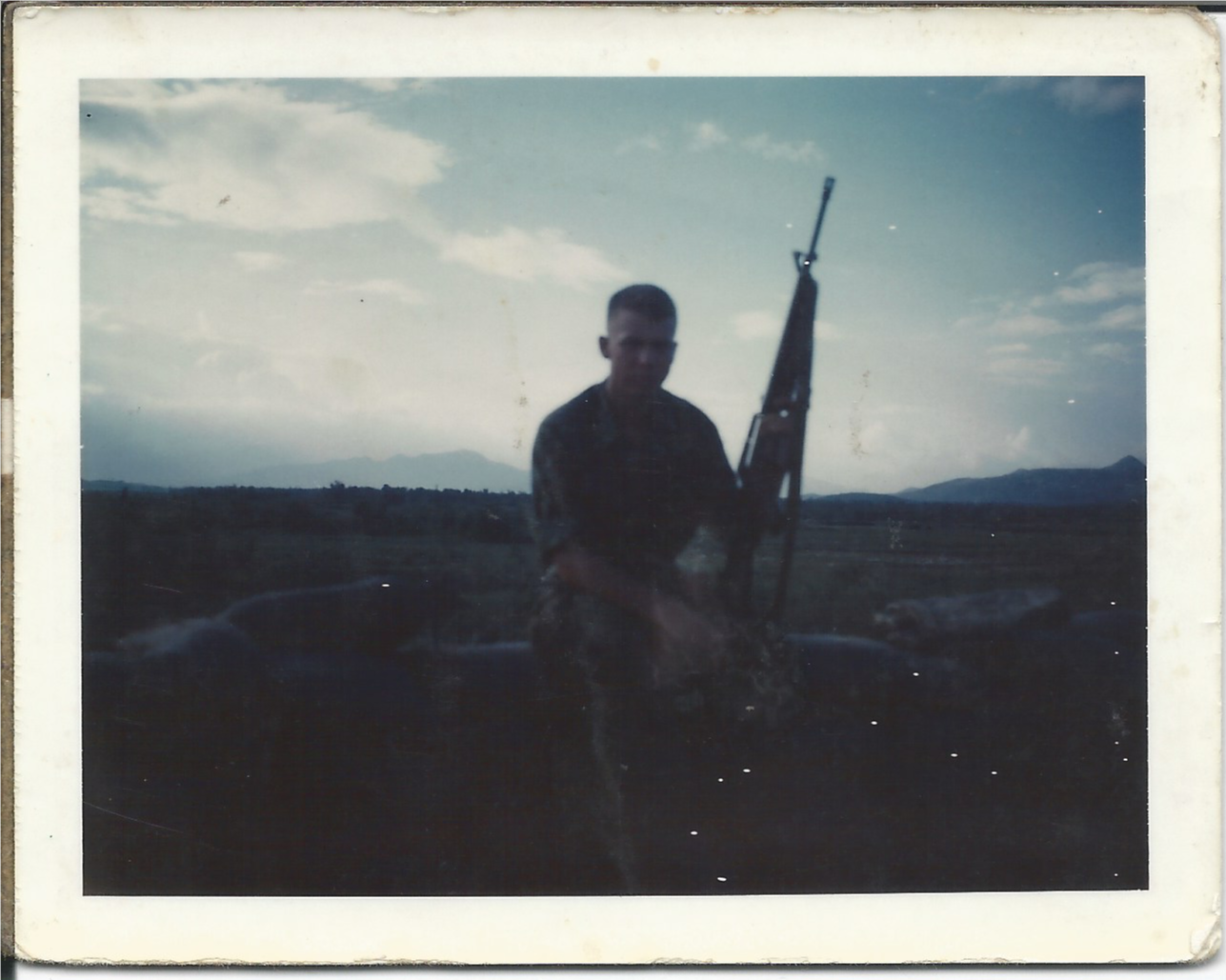
3rd Battalion, 1st Marines • U.S. Marine Corps • 1969
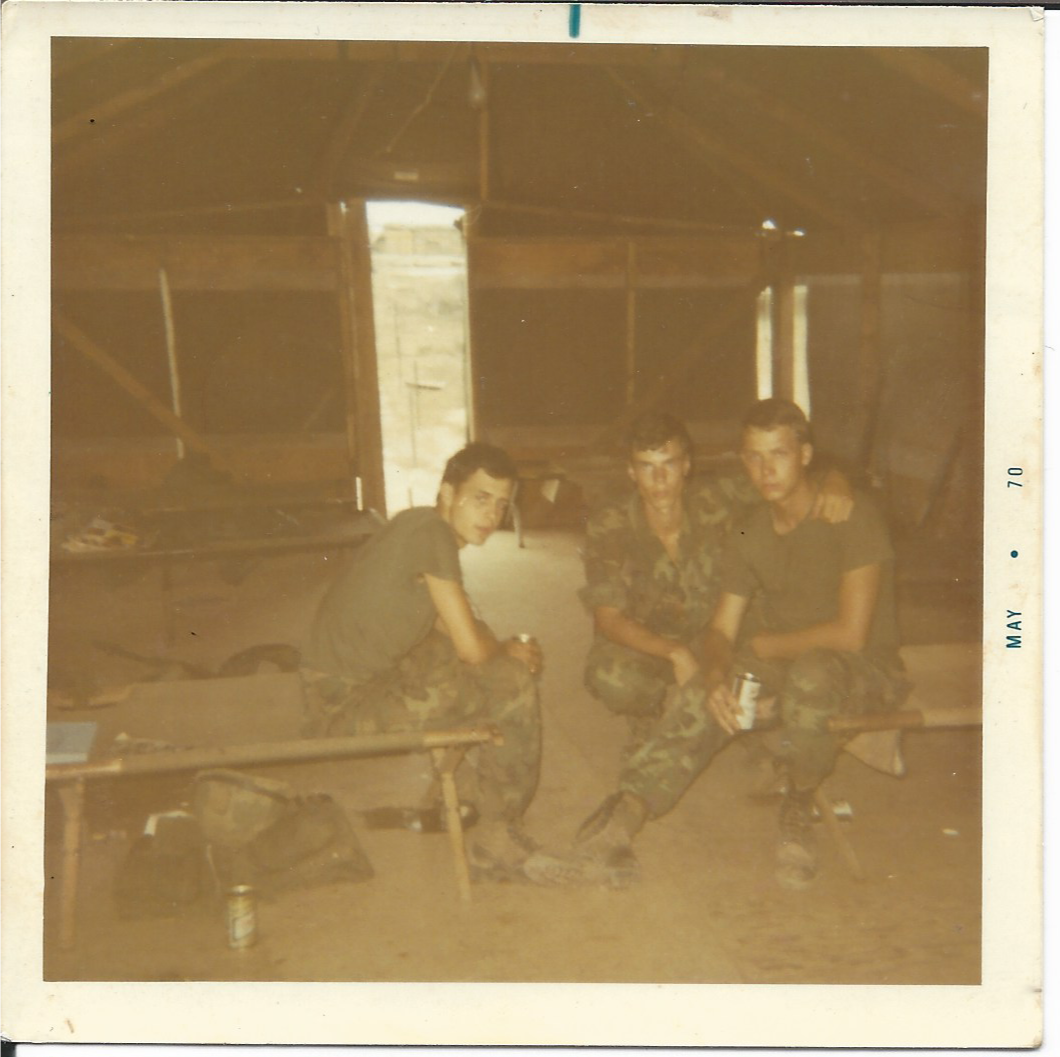
3rd Battalion, 1st Marines • U.S. Marine Corps • 1970
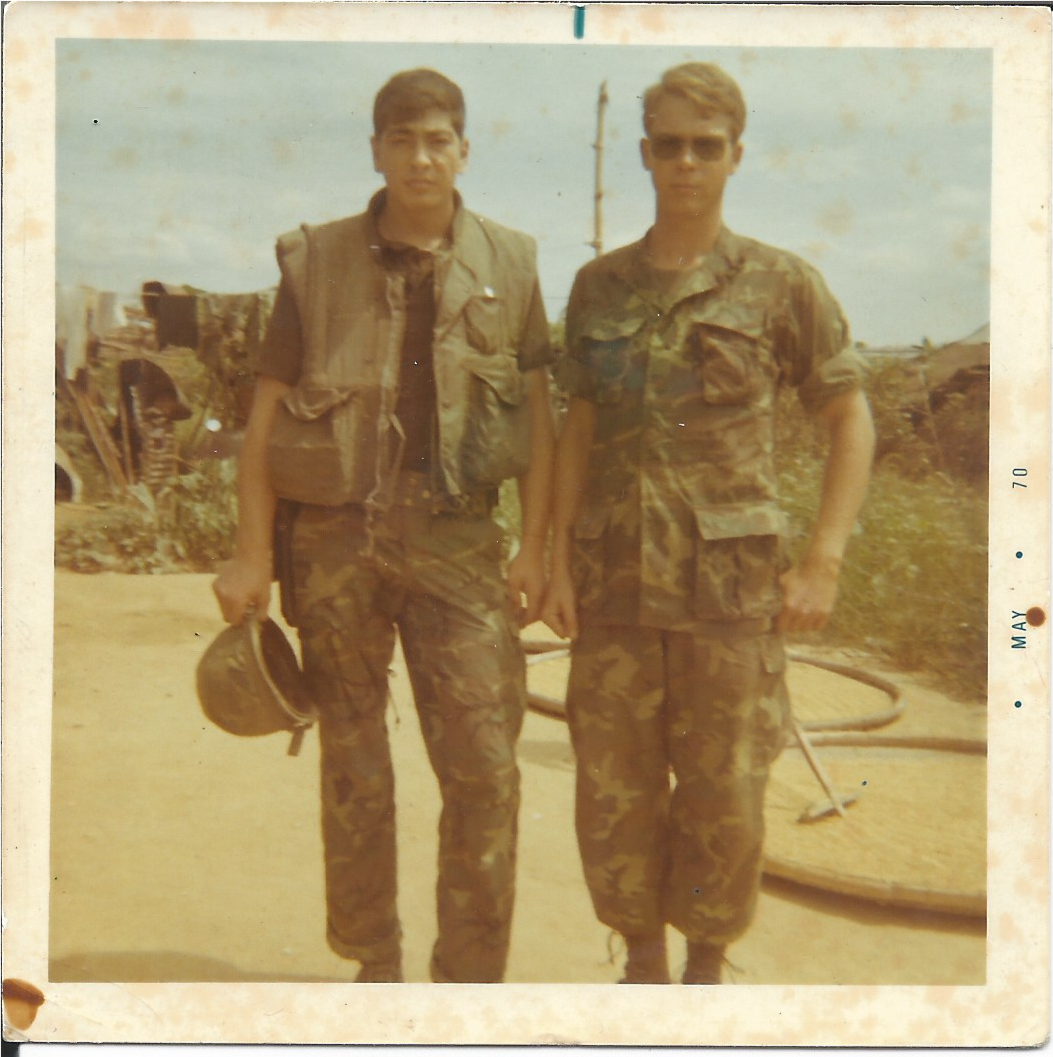
3rd Battalion, 1st Marines • U.S. Marine Corps • 1970