
Opening branch overview
Building the branch home surface
Loading branch highlights, featured unit context, and gallery moments.
Overview
Members
Units
Building the branch home surface
Loading branch highlights, featured unit context, and gallery moments.
Building the branch units surface
Loading unit filters, rankings, and the branch unit grid.

2 members•1 unit
Relive and share the memories of your service-time with your brothers and sisters in arms today. VetFriends.com can help you reconnect.
Did you proudly serve in the 1st RPV Co?
Are you looking for someone who is or was in the 1st RPV Co?
Do you have 1st RPV Co photos you'd like to share?
Then join a community with your brothers and sisters of the 1st RPV Co.
Branch
U.S. Marine Corps
Members
2
The 1st RPV Company (1st RPV Co) was established in the late 1970s as one of the U.S. Army's pioneering remote piloted vehicle (RPV) units. Initially tasked with testing and operational evaluation of early unmanned aerial systems, the company played a critical role in integrating drone reconnaissance into Army doctrine. Throughout the 1980s, the 1st RPV Co participated in multiple training exercises and demonstrations, showcasing the potential of real-time battlefield surveillance. Their efforts laid the groundwork for the widespread adoption of unmanned aerial vehicles (UAVs) in modern military operations.

U.S. Marine Corps
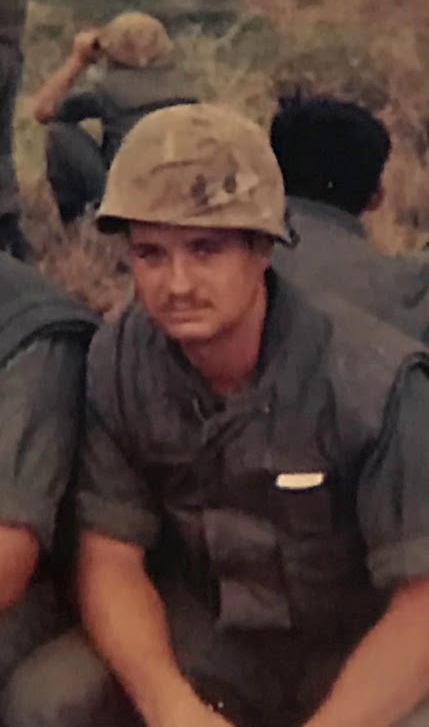
U.S. Marine Corps
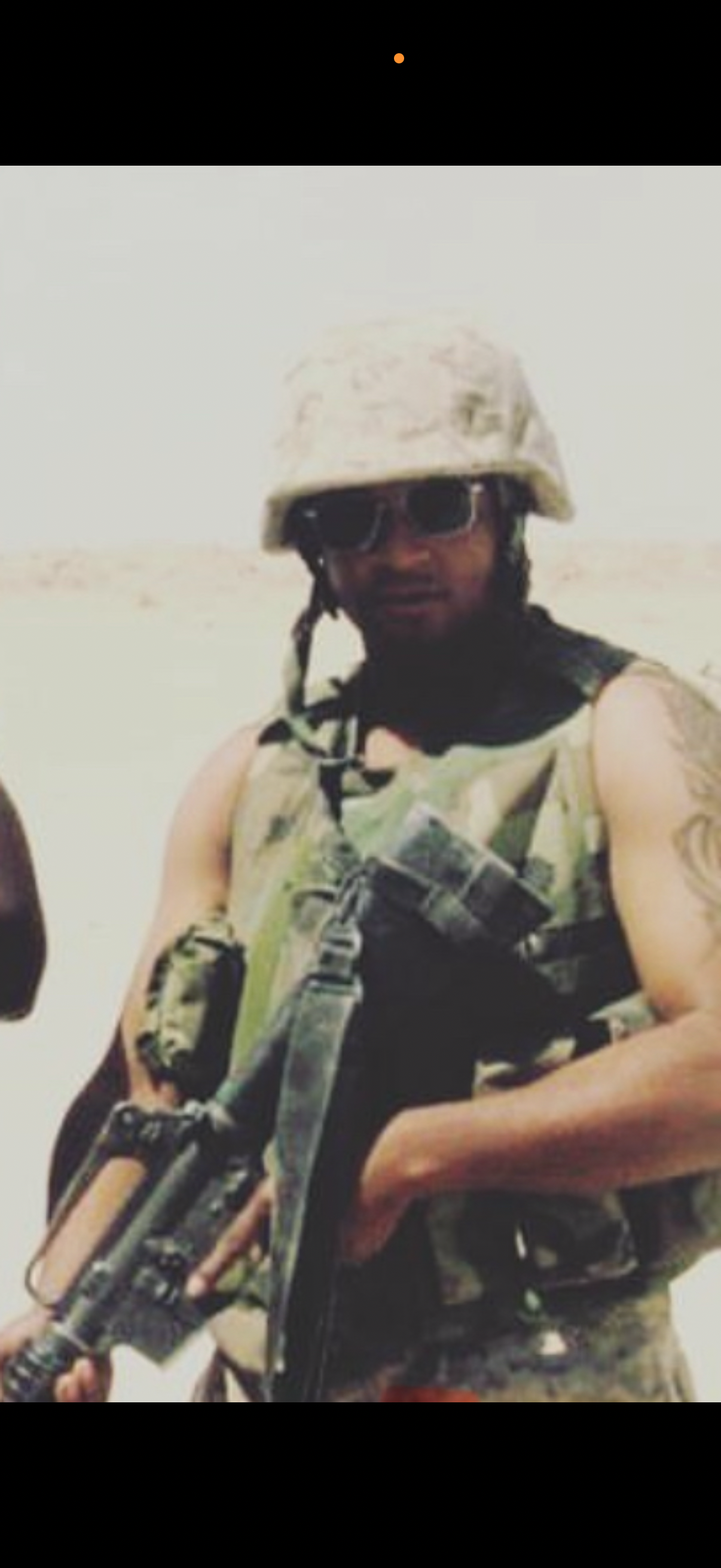
U.S. Marine Corps

U.S. Marine Corps • 1968