
Opening branch overview
Building the branch home surface
Loading branch highlights, featured unit context, and gallery moments.
Overview
Members
Units
Building the branch home surface
Loading branch highlights, featured unit context, and gallery moments.
Building the branch units surface
Loading unit filters, rankings, and the branch unit grid.

U.S. Coast Guard•1 members
Relive and share the memories of your service-time with your brothers and sisters in arms today. VetFriends.com can help you reconnect.
Did you proudly serve in the Wake Loran?
Are you looking for someone who is or was in the Wake Loran?
Do you have Wake Loran photos you'd like to share?
Then join a community with your brothers and sisters of the Wake Loran.
**Wake LORAN** refers to the United States Coast Guard LORAN (Long Range Navigation) Station established on Wake Island during the Cold War. Activated in 1958, the station was part of the Pacific LORAN chain, providing vital radio navigation signals to military and civilian ships and aircraft across the vast Pacific Ocean. Crewed primarily by Coast Guard personnel, Wake LORAN played a crucial role in supporting U.S. military operations, including air and sea logistics during the Vietnam War. The station was decommissioned in 1978 as advances in navigation technology reduced the reliance on LORAN systems.

U.S. Coast Guard
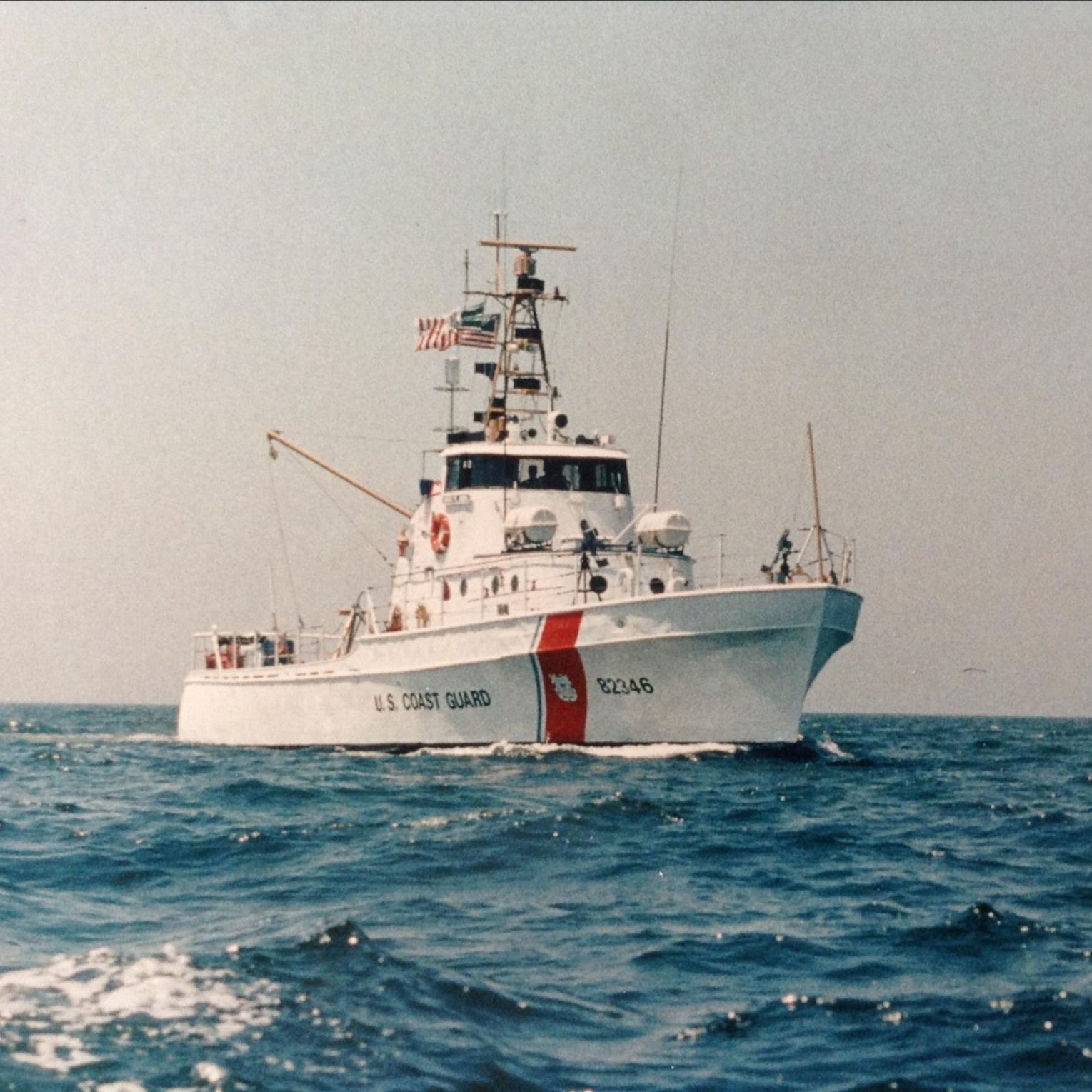
U.S. Coast Guard
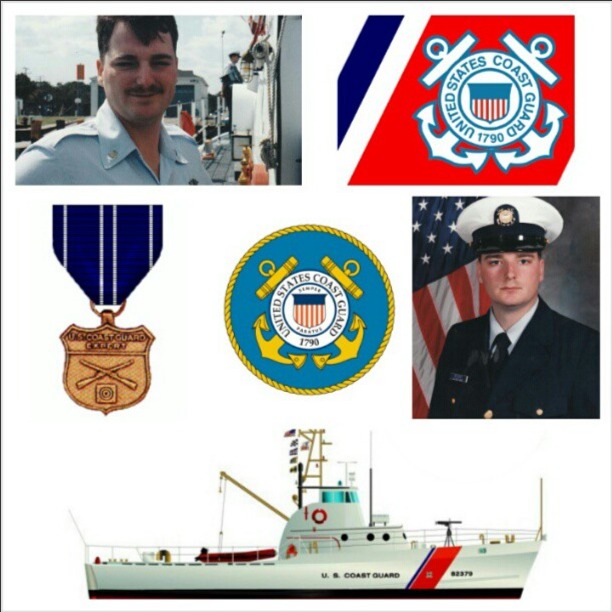
U.S. Coast Guard

U.S. Coast Guard