
Opening branch overview
Building the branch home surface
Loading branch highlights, featured unit context, and gallery moments.
Overview
Members
Units
Building the branch home surface
Loading branch highlights, featured unit context, and gallery moments.
Building the branch units surface
Loading unit filters, rankings, and the branch unit grid.

37 members•1 unit
Relive and share the memories of your service-time with your brothers and sisters in arms today. VetFriends.com can help you reconnect.
Did you proudly serve in the U.S.S. SHANGRILA CV-38?
Are you looking for someone who is or was in the U.S.S. SHANGRILA CV-38?
Do you have U.S.S. SHANGRILA CV-38 photos you'd like to share?
Then join a community with your brothers and sisters of the U.S.S. SHANGRILA CV-38.
Branch
U.S. Coast Guard
Members
37
USS Shangri-La (CV-38) was an Essex-class aircraft carrier commissioned by the United States Navy in September 1944. Named after the mythical place referenced by President Franklin D. Roosevelt when explaining the origin of the Doolittle Raid, Shangri-La participated in the final campaigns of World War II in the Pacific, including air strikes against the Japanese home islands. After the war, it was decommissioned but later modernized and recommissioned for service during the Cold War, including deployments in the Atlantic and Mediterranean. The ship was finally decommissioned in 1971 and sold for scrap in 1988.
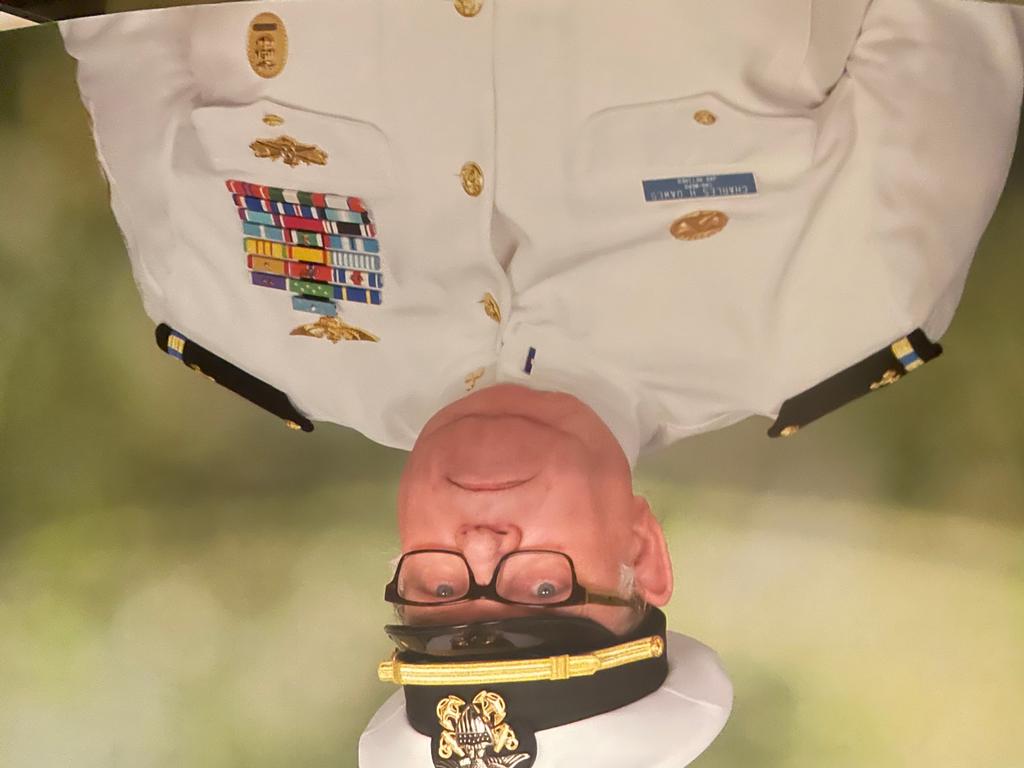
U.S. Marine Corps • 1969
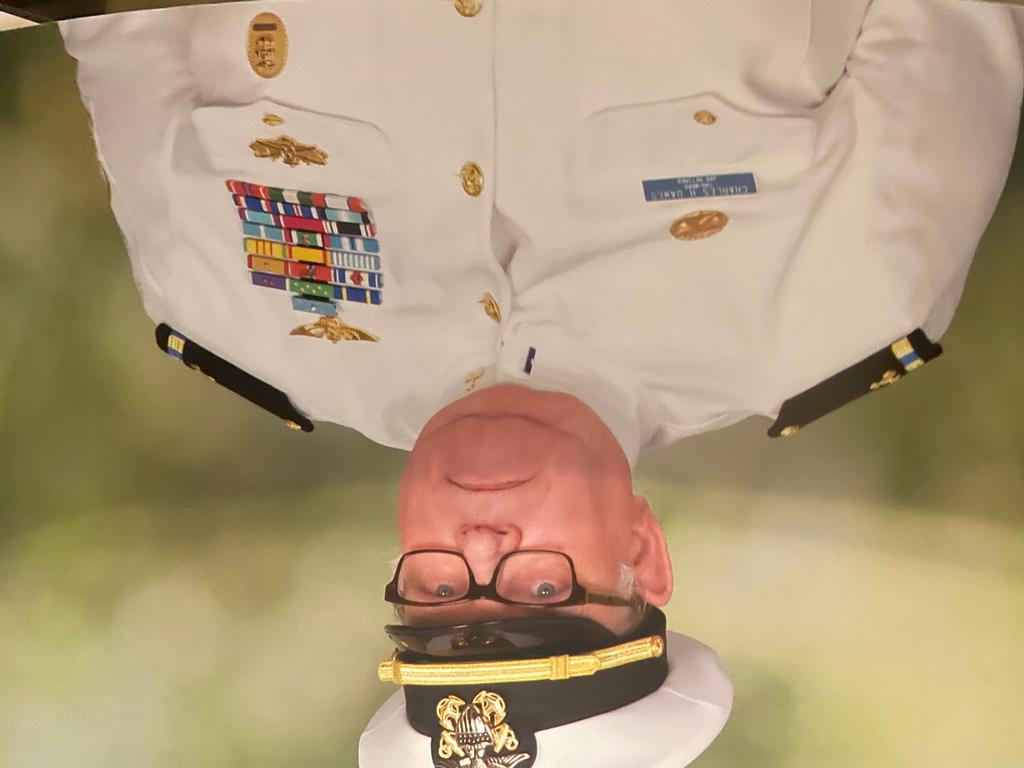
U.S. Marine Corps • 1968