
Opening branch overview
Building the branch home surface
Loading branch highlights, featured unit context, and gallery moments.
Overview
Members
Units
Building the branch home surface
Loading branch highlights, featured unit context, and gallery moments.
Building the branch units surface
Loading unit filters, rankings, and the branch unit grid.

U.S. Coast Guard•11 members
Relive and share the memories of your service-time with your brothers and sisters in arms today. VetFriends.com can help you reconnect.
Did you proudly serve in the USPHS-NIH?
Are you looking for someone who is or was in the USPHS-NIH?
Do you have USPHS-NIH photos you'd like to share?
Then join a community with your brothers and sisters of the USPHS-NIH.
The United States Public Health Service (USPHS) Commissioned Corps, in collaboration with the National Institutes of Health (NIH), forms the unit commonly referred to as USPHS-NIH. Established to advance the nation’s health research, USPHS officers have been assigned to the NIH since the early 20th century, supporting biomedical research and public health initiatives. The unit has played a critical role in major health crises, including infectious disease responses, vaccine development, and clinical trials. USPHS-NIH personnel continue to serve on the front lines of medical research and public health preparedness, both domestically and internationally.
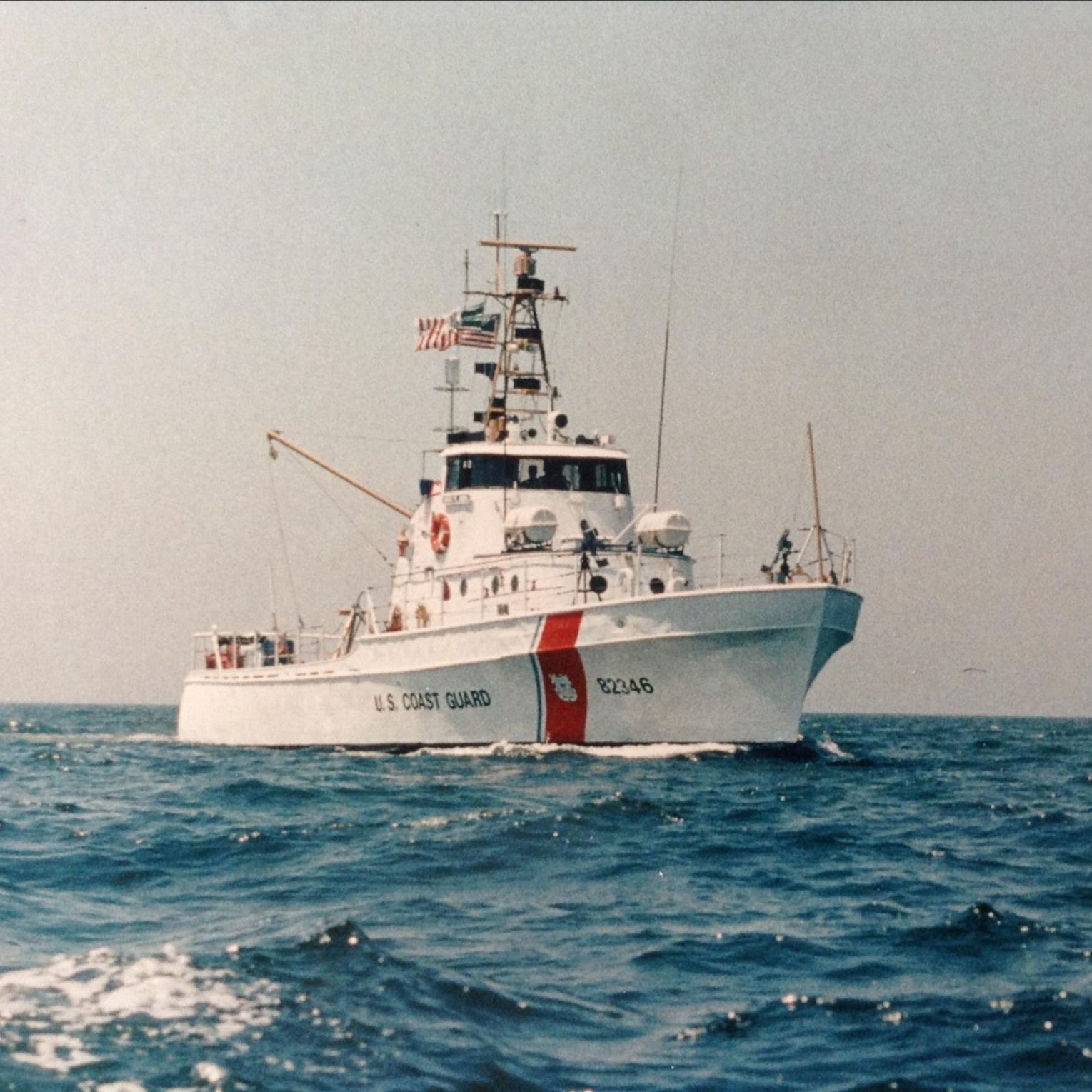
U.S. Coast Guard
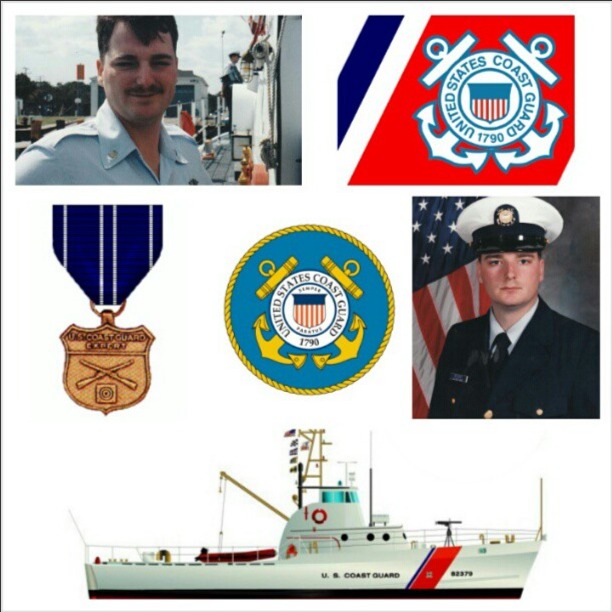
U.S. Coast Guard

U.S. Coast Guard

U.S. Coast Guard