
Opening branch overview
Building the branch home surface
Loading branch highlights, featured unit context, and gallery moments.
Overview
Members
Units
Building the branch home surface
Loading branch highlights, featured unit context, and gallery moments.
Building the branch units surface
Loading unit filters, rankings, and the branch unit grid.

9 members•1 unit
Relive and share the memories of your service-time with your brothers and sisters in arms today. VetFriends.com can help you reconnect.
Did you proudly serve in the USCGC Storis (WMEC-38)?
Are you looking for someone who is or was in the USCGC Storis (WMEC-38)?
Do you have USCGC Storis (WMEC-38) photos you'd like to share?
Then join a community with your brothers and sisters of the USCGC Storis (WMEC-38).
Branch
U.S. Coast Guard
Members
9
USCGC Storis (WMEC-38) was a United States Coast Guard cutter commissioned in 1942, originally built as an icebreaker for service during World War II. Throughout her long career, Storis served in the North Atlantic and then the Pacific, playing a vital role in the Greenland Patrol and later supporting operations in Alaska, including search and rescue, law enforcement, and fisheries patrols. In 1957, she became the first American vessel to circumnavigate North America via the Northwest Passage. Decommissioned in 2007, Storis held the distinction of being the oldest commissioned cutter in the Coast Guard fleet at the time of her retirement.

U.S. Coast Guard
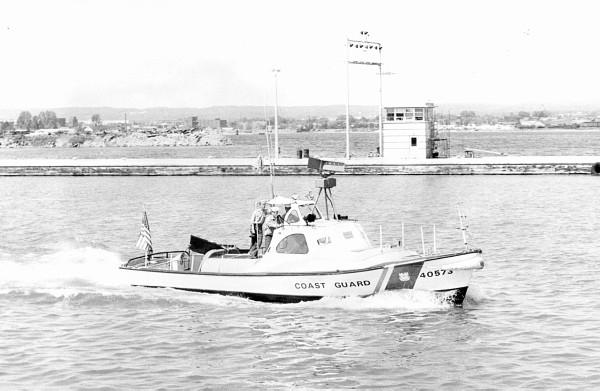
U.S. Coast Guard
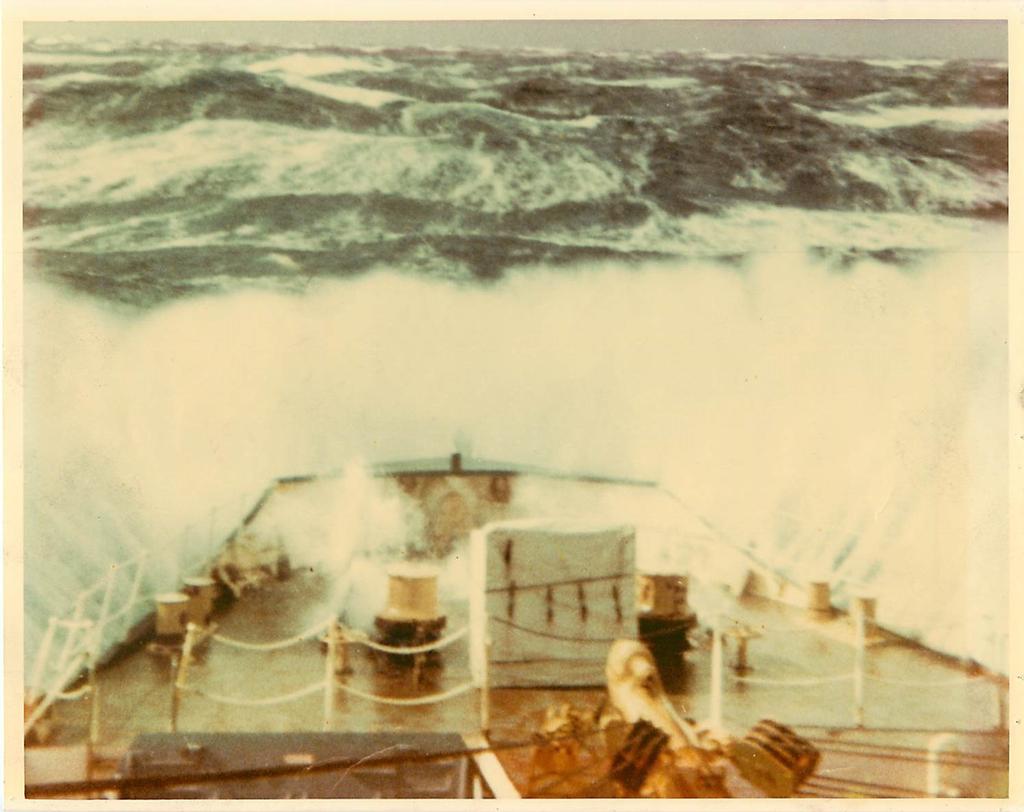
U.S. Coast Guard
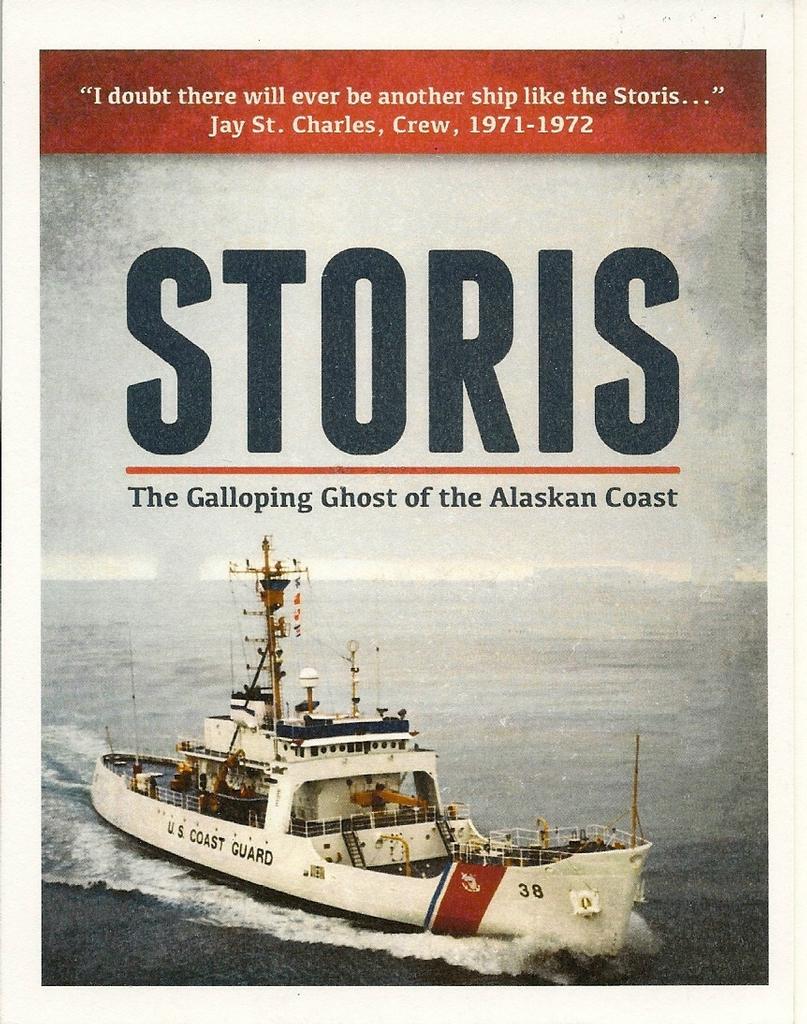
U.S. Coast Guard