
Opening branch overview
Building the branch home surface
Loading branch highlights, featured unit context, and gallery moments.
Overview
Members
Units
Building the branch home surface
Loading branch highlights, featured unit context, and gallery moments.
Building the branch units surface
Loading unit filters, rankings, and the branch unit grid.

9 members•1 unit
Relive and share the memories of your service-time with your brothers and sisters in arms today. VetFriends.com can help you reconnect.
Did you proudly serve in the USCGC Hornbeam?
Are you looking for someone who is or was in the USCGC Hornbeam?
Do you have USCGC Hornbeam photos you'd like to share?
Then join a community with your brothers and sisters of the USCGC Hornbeam.
Branch
U.S. Coast Guard
Members
9
USCGC Hornbeam (WLB-394) was a United States Coast Guard buoy tender launched in 1944 during World War II. Built as part of the Iris-class, she was primarily tasked with maintaining navigational aids, conducting search and rescue missions, and supporting coastal defense operations along the U.S. East Coast. Throughout her service, Hornbeam played a critical role in ensuring safe passage for both military and commercial vessels, especially during hazardous weather conditions. She remained active during the Cold War and into the late 20th century, reflecting the enduring importance of buoy tenders in maritime safety and security operations.
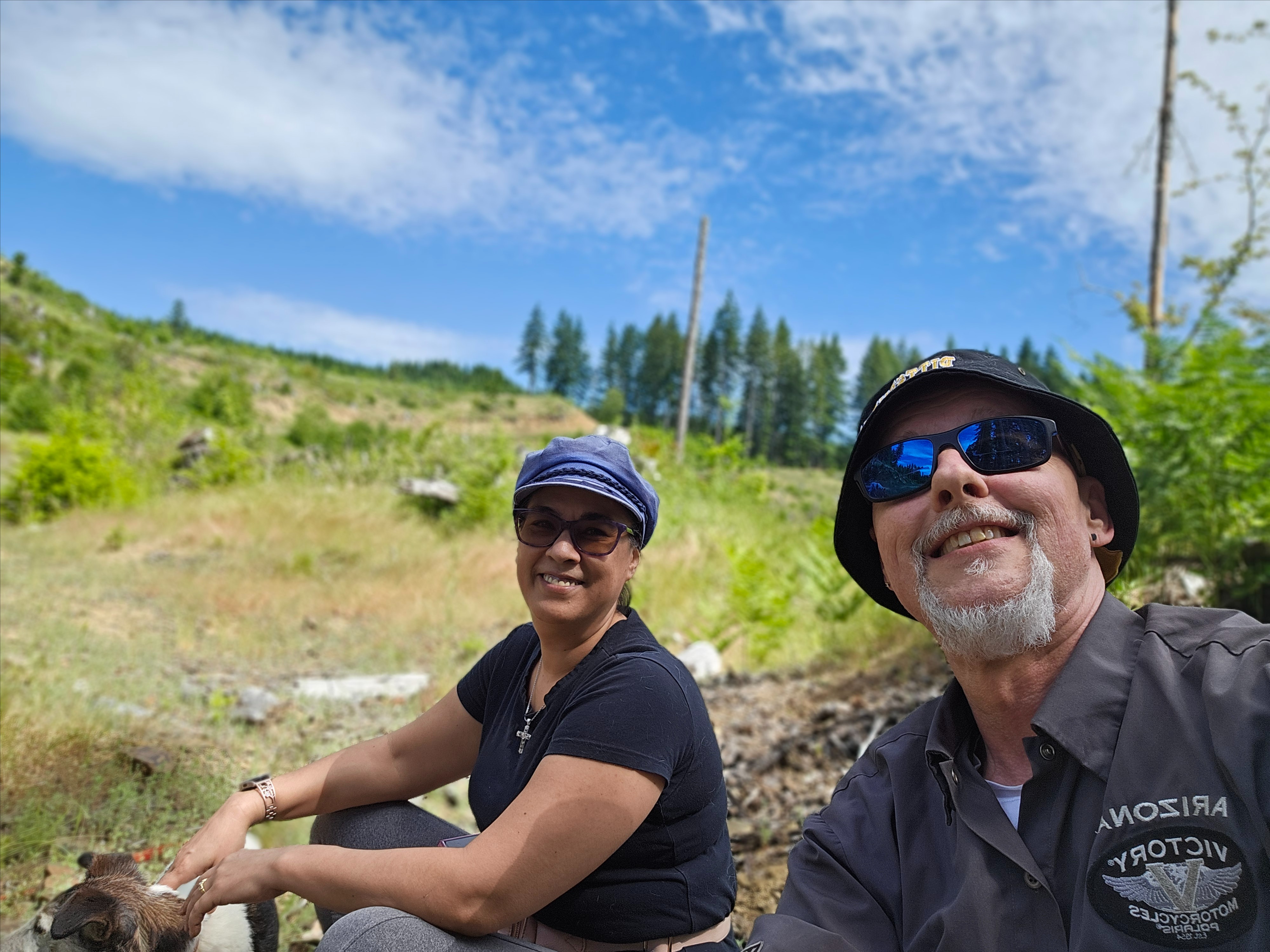
CaysonClan - civilian • U.S. Coast Guard • 2025
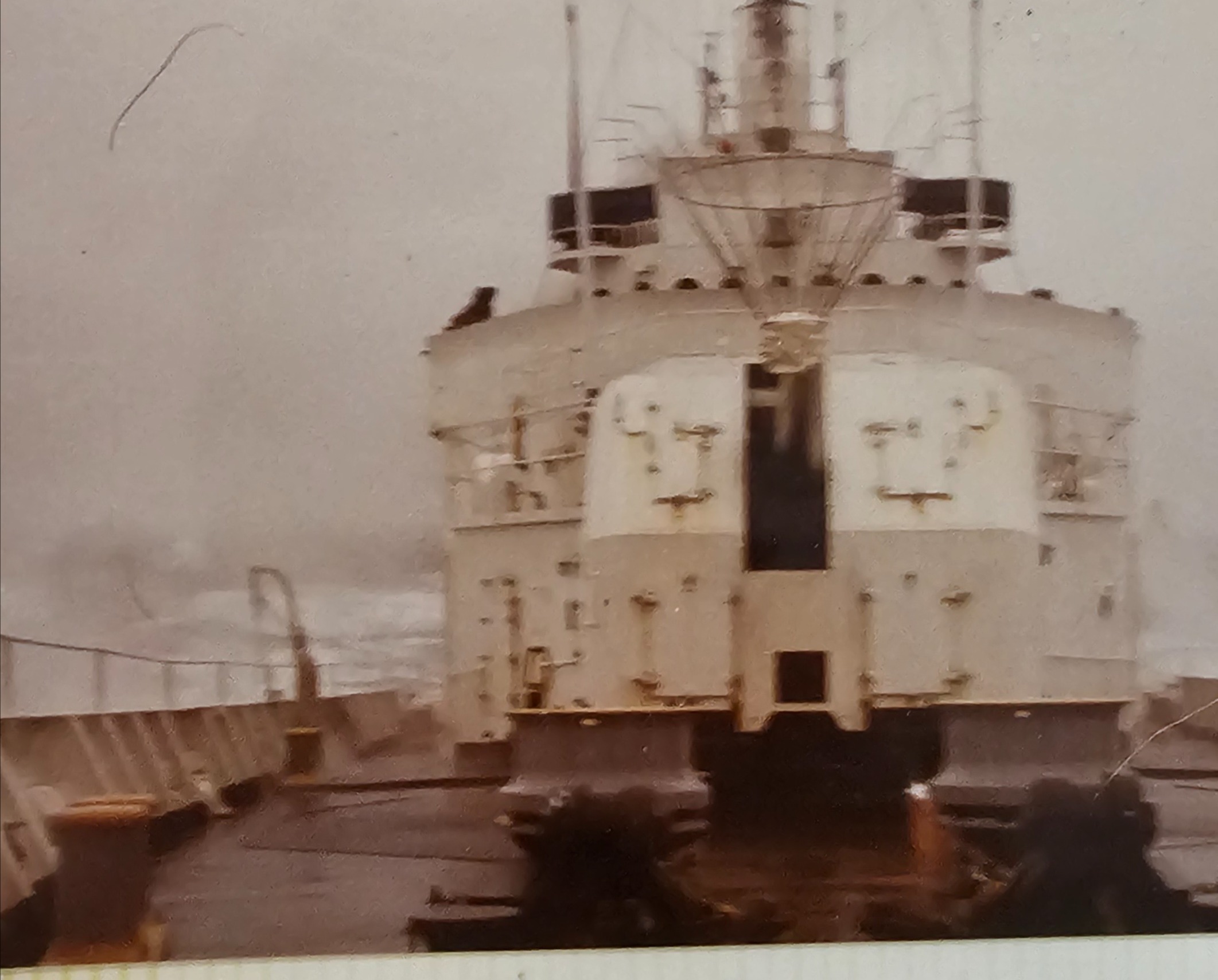
U.S. Coast Guard • 1983
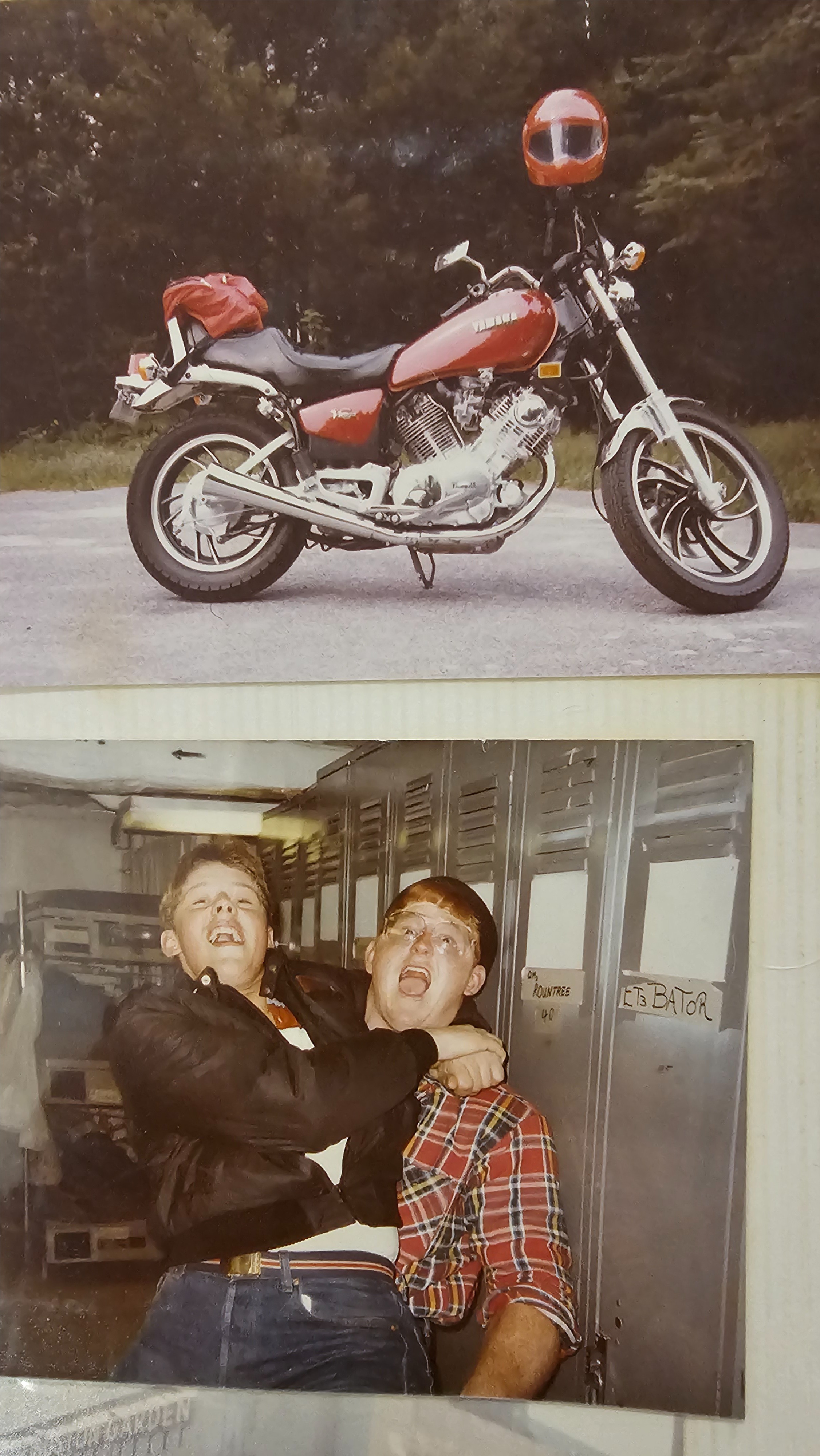
U.S. Coast Guard • 1984
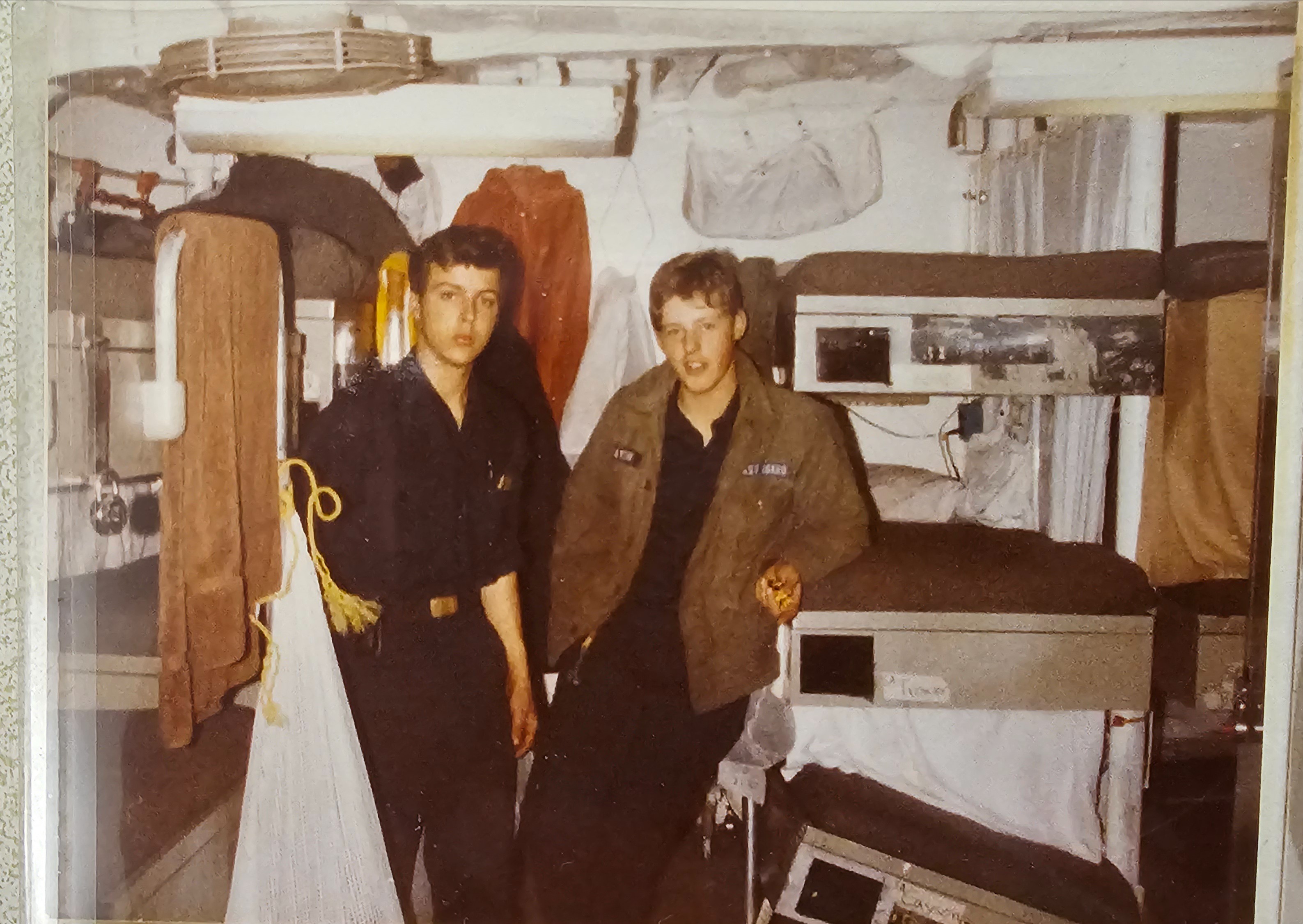
U.S. Coast Guard • 1983