
Opening branch overview
Building the branch home surface
Loading branch highlights, featured unit context, and gallery moments.
Overview
Members
Units
Building the branch home surface
Loading branch highlights, featured unit context, and gallery moments.
Building the branch units surface
Loading unit filters, rankings, and the branch unit grid.

U.S. Coast Guard•25 members
Relive and share the memories of your service-time with your brothers and sisters in arms today. VetFriends.com can help you reconnect.
Did you proudly serve in the USCGC GLACIER?
Are you looking for someone who is or was in the USCGC GLACIER?
Do you have USCGC GLACIER photos you'd like to share?
Then join a community with your brothers and sisters of the USCGC GLACIER.
USCGC Glacier (WAGB-4) was a notable icebreaker originally commissioned by the U.S. Navy in 1955 and later transferred to the United States Coast Guard in 1966. Built to support polar operations, Glacier played a crucial role in Antarctic exploration, conducting scientific missions and resupply operations for Operation Deep Freeze. The vessel's robust construction enabled her to break through thick ice, ensuring year-round access to remote research stations. After over three decades of distinguished service in some of the world's harshest environments, USCGC Glacier was decommissioned in 1987.
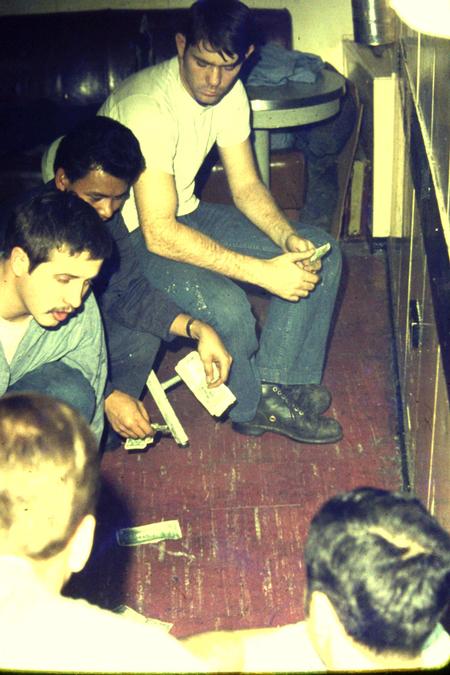
USCGC-GLACIER-WAGB-4 • U.S. Coast Guard • 1970
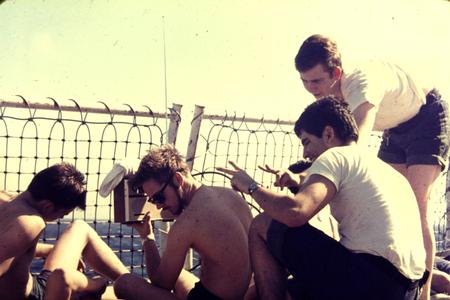
USCGC-GLACIER-WAGB-4 • U.S. Coast Guard • 1969
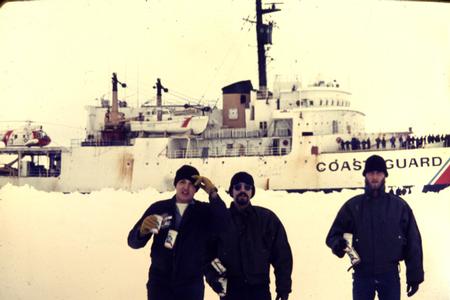
USCGC-GLACIER-WAGB-4 • U.S. Coast Guard • 1970

USCGC-GLACIER-WAGB-4 • U.S. Coast Guard • 1969