
Opening branch overview
Building the branch home surface
Loading branch highlights, featured unit context, and gallery moments.
Overview
Members
Units
Building the branch home surface
Loading branch highlights, featured unit context, and gallery moments.
Building the branch units surface
Loading unit filters, rankings, and the branch unit grid.

37 members•1 unit
Relive and share the memories of your service-time with your brothers and sisters in arms today. VetFriends.com can help you reconnect.
Did you proudly serve in the USCGC Eastwind (WAGB-279)?
Are you looking for someone who is or was in the USCGC Eastwind (WAGB-279)?
Do you have USCGC Eastwind (WAGB-279) photos you'd like to share?
Then join a community with your brothers and sisters of the USCGC Eastwind (WAGB-279).
Branch
U.S. Coast Guard
Members
37
USCGC Eastwind (WAGB-279) was a Wind-class icebreaker commissioned by the United States Coast Guard in 1944. During World War II, she served in Greenland waters, supporting weather stations, resupply missions, and anti-submarine operations, including the capture of the German trawler Externsteine. After the war, Eastwind continued to operate in the Arctic and Antarctic, conducting scientific missions and supporting U.S. interests in polar regions. She remained in service until 1968, earning distinction for her vital role in cold-weather operations and polar exploration.
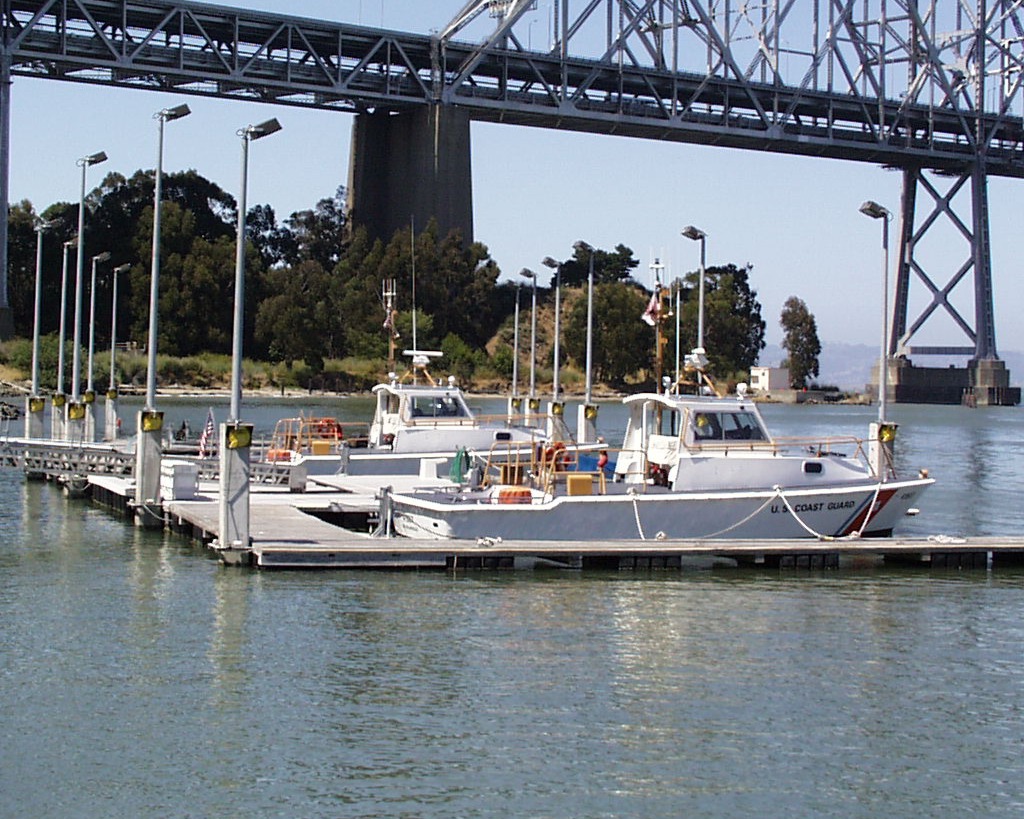
USCG Station San Francisco, CA • U.S. Coast Guard • 1989
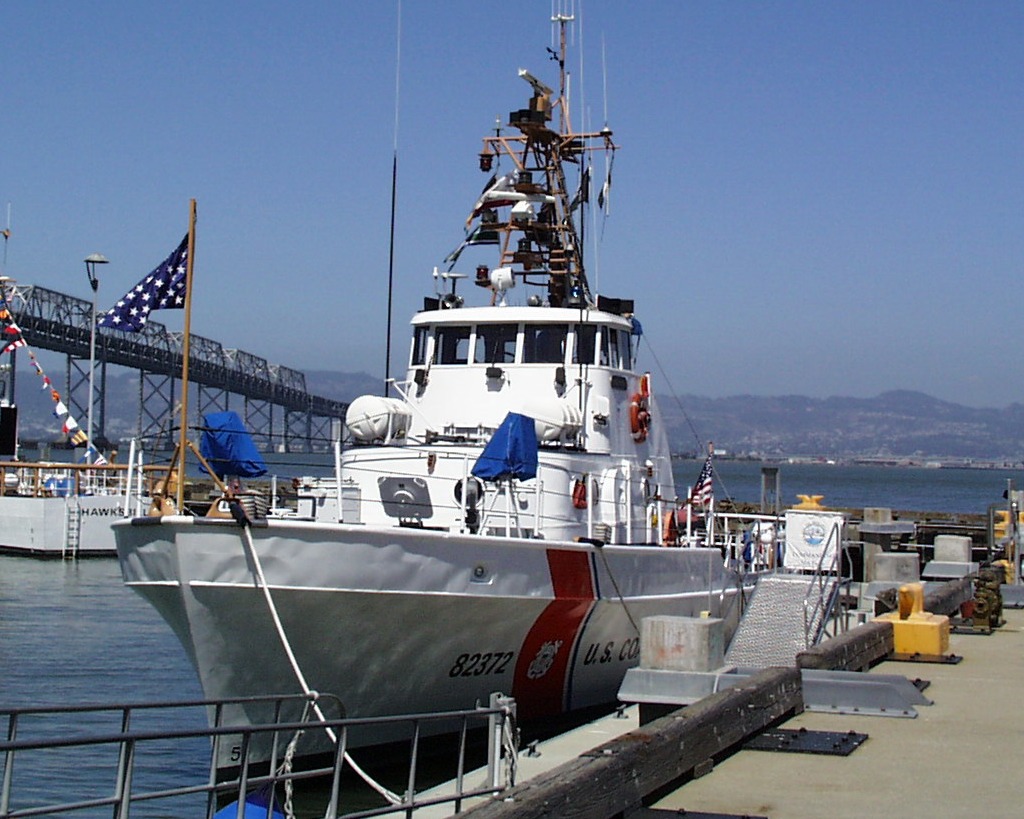
USCGC Point Brower (WPB-82372) • U.S. Coast Guard • 1986
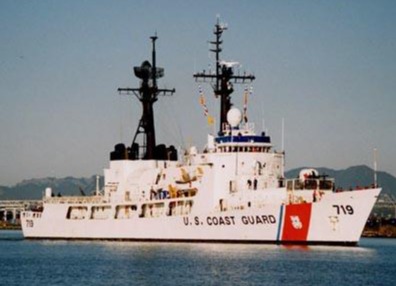
USCGC Boutwell (WHEC-719) • U.S. Coast Guard • 1982
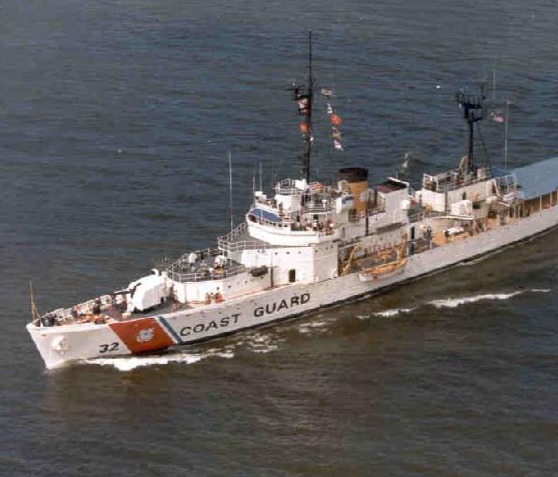
U.S. Coast Guard • 1975