
Opening branch overview
Building the branch home surface
Loading branch highlights, featured unit context, and gallery moments.
Overview
Members
Units
Building the branch home surface
Loading branch highlights, featured unit context, and gallery moments.
Building the branch units surface
Loading unit filters, rankings, and the branch unit grid.

4 members•1 unit
Relive and share the memories of your service-time with your brothers and sisters in arms today. VetFriends.com can help you reconnect.
Did you proudly serve in the USCGC Courier?
Are you looking for someone who is or was in the USCGC Courier?
Do you have USCGC Courier photos you'd like to share?
Then join a community with your brothers and sisters of the USCGC Courier.
Branch
U.S. Coast Guard
Members
4
USCGC Courier (WAGR-410) was a United States Coast Guard cutter commissioned in 1952 and uniquely outfitted as a mobile broadcasting ship during the Cold War. Assigned to the Voice of America, Courier transmitted radio programs and news into Eastern Europe from international waters, serving as a floating radio station to counteract Soviet jamming of Western broadcasts. The ship was stationed primarily off the coast of Greece and played a critical role in psychological operations and information warfare. USCGC Courier was decommissioned in 1972 after two decades of innovative service in both military and diplomatic communications.
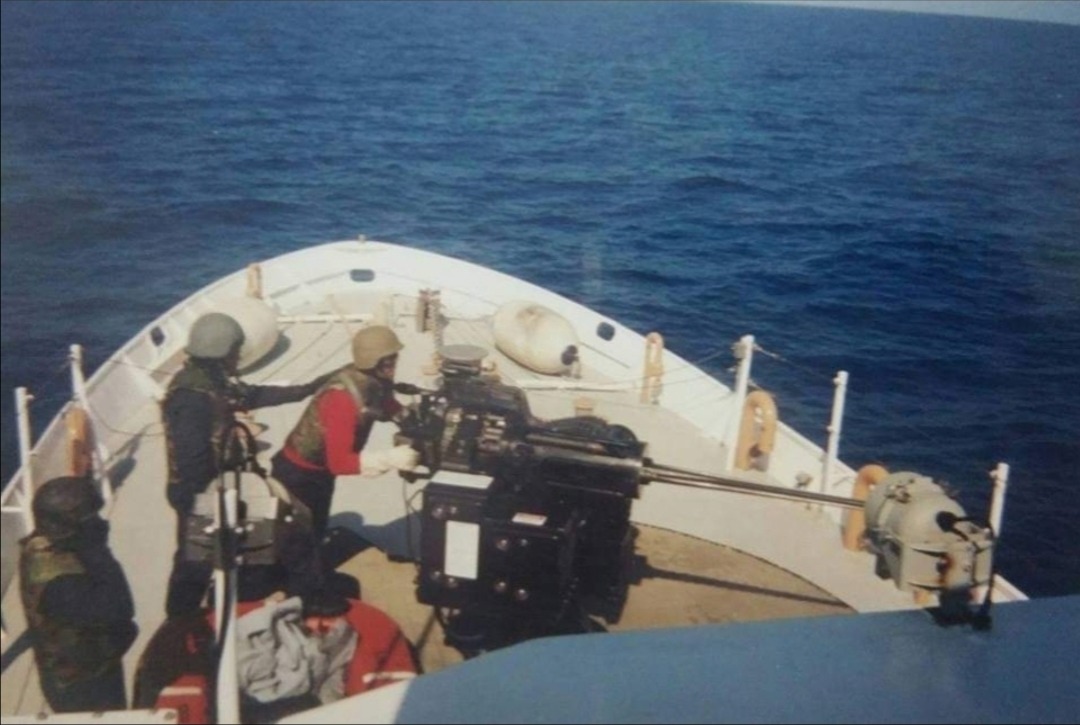
U.S. Coast Guard
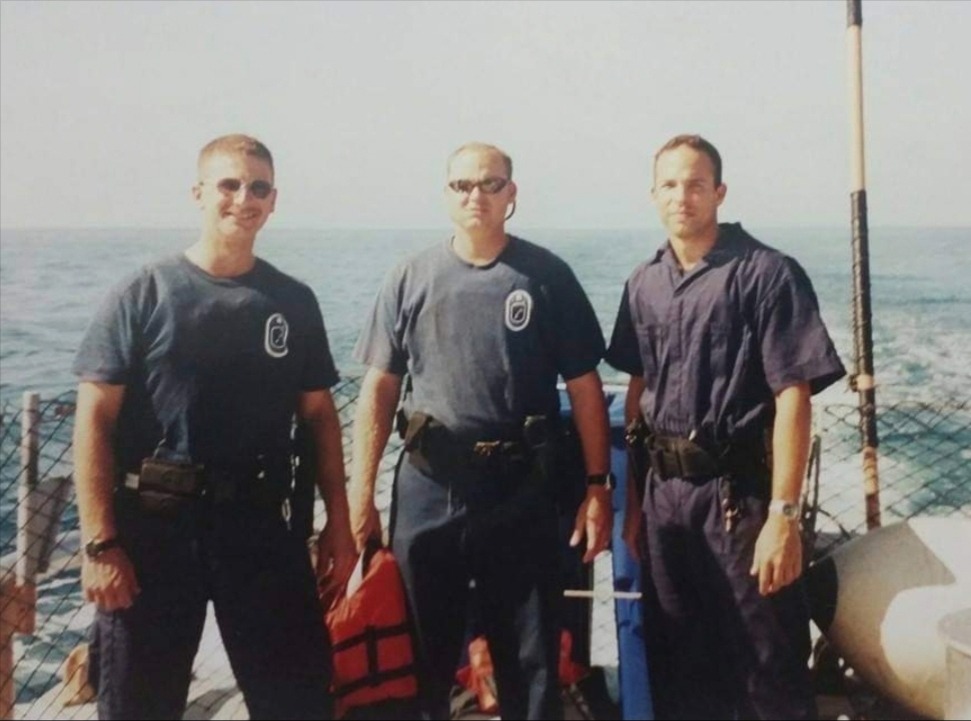
U.S. Coast Guard
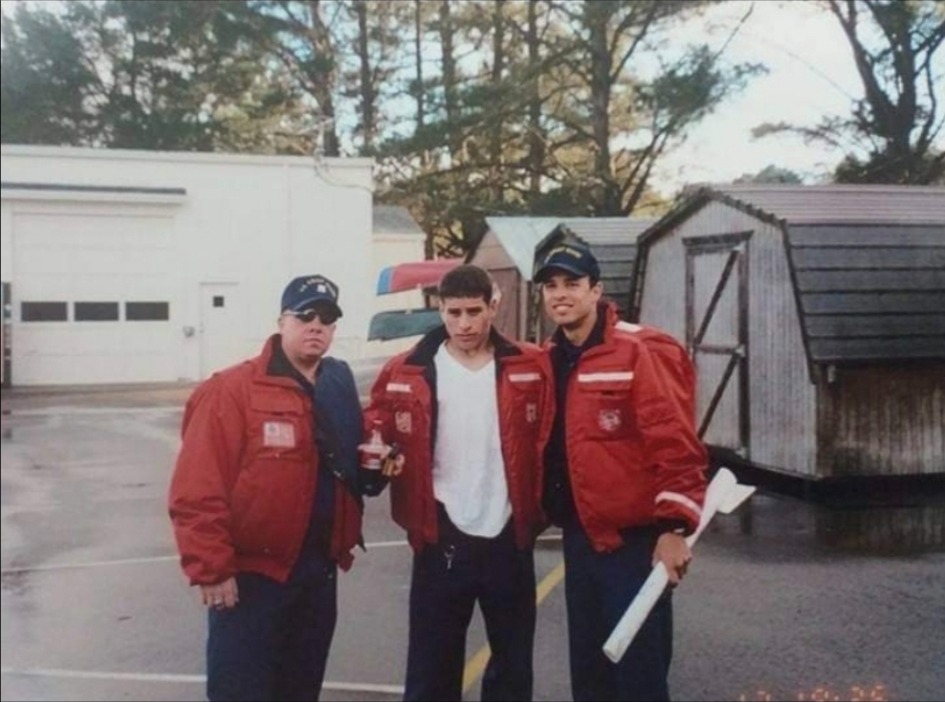
U.S. Coast Guard
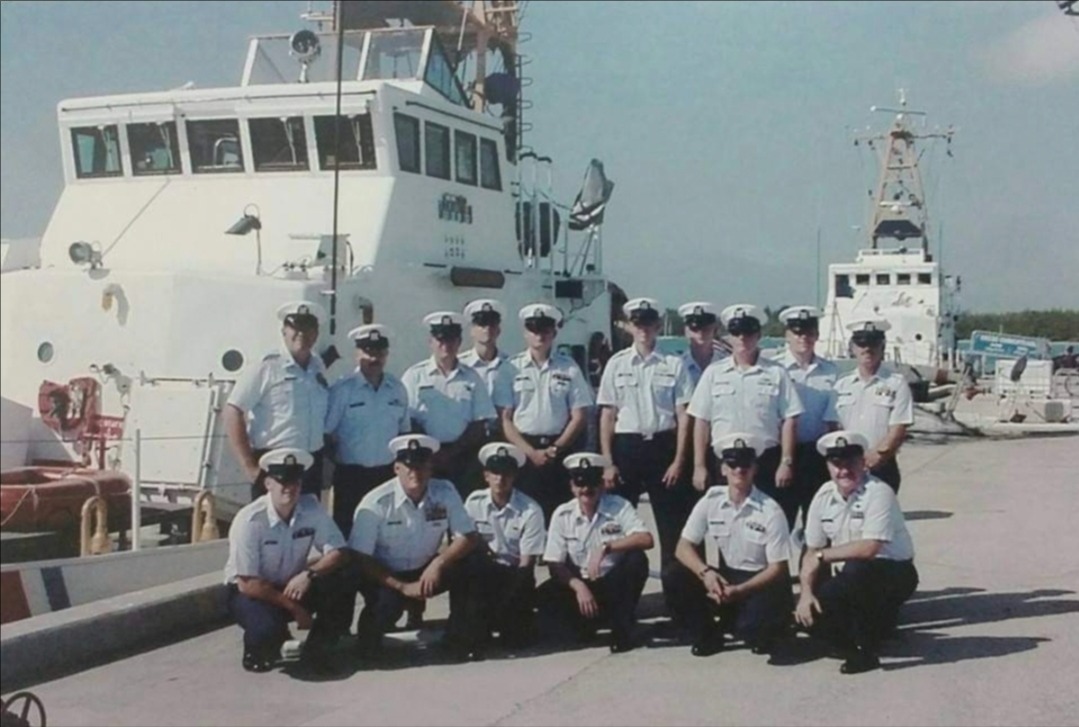
U.S. Coast Guard