
Opening branch overview
Building the branch home surface
Loading branch highlights, featured unit context, and gallery moments.
Overview
Members
Units
Building the branch home surface
Loading branch highlights, featured unit context, and gallery moments.
Building the branch units surface
Loading unit filters, rankings, and the branch unit grid.

1 members•1 unit
Relive and share the memories of your service-time with your brothers and sisters in arms today. VetFriends.com can help you reconnect.
Did you proudly serve in the USCGC Cape Romain?
Are you looking for someone who is or was in the USCGC Cape Romain?
Do you have USCGC Cape Romain photos you'd like to share?
Then join a community with your brothers and sisters of the USCGC Cape Romain.
Branch
U.S. Coast Guard
Members
1
USCGC Cape Romain was a 95-foot Type C Cape-class cutter commissioned by the United States Coast Guard in 1953. Built for law enforcement, search and rescue, and anti-smuggling operations, she was primarily stationed along the southeastern United States coast. During her service, Cape Romain played a crucial role in maritime patrols and rescue missions, notably responding to distressed vessels and supporting coastal security. After decades of active duty, she was decommissioned in 1989, marking the end of her distinguished career in safeguarding American waters.
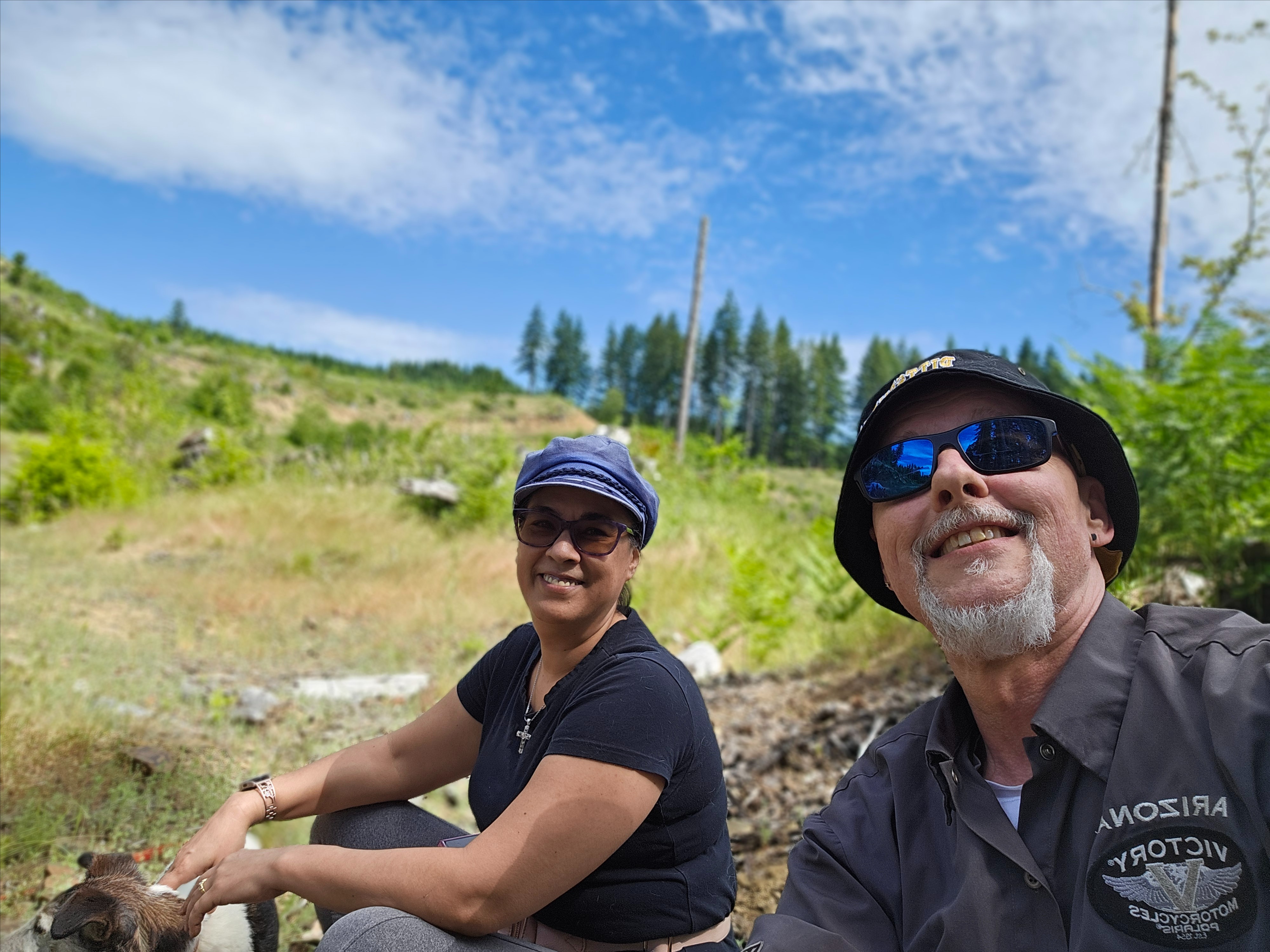
CaysonClan - civilian • U.S. Coast Guard • 2025
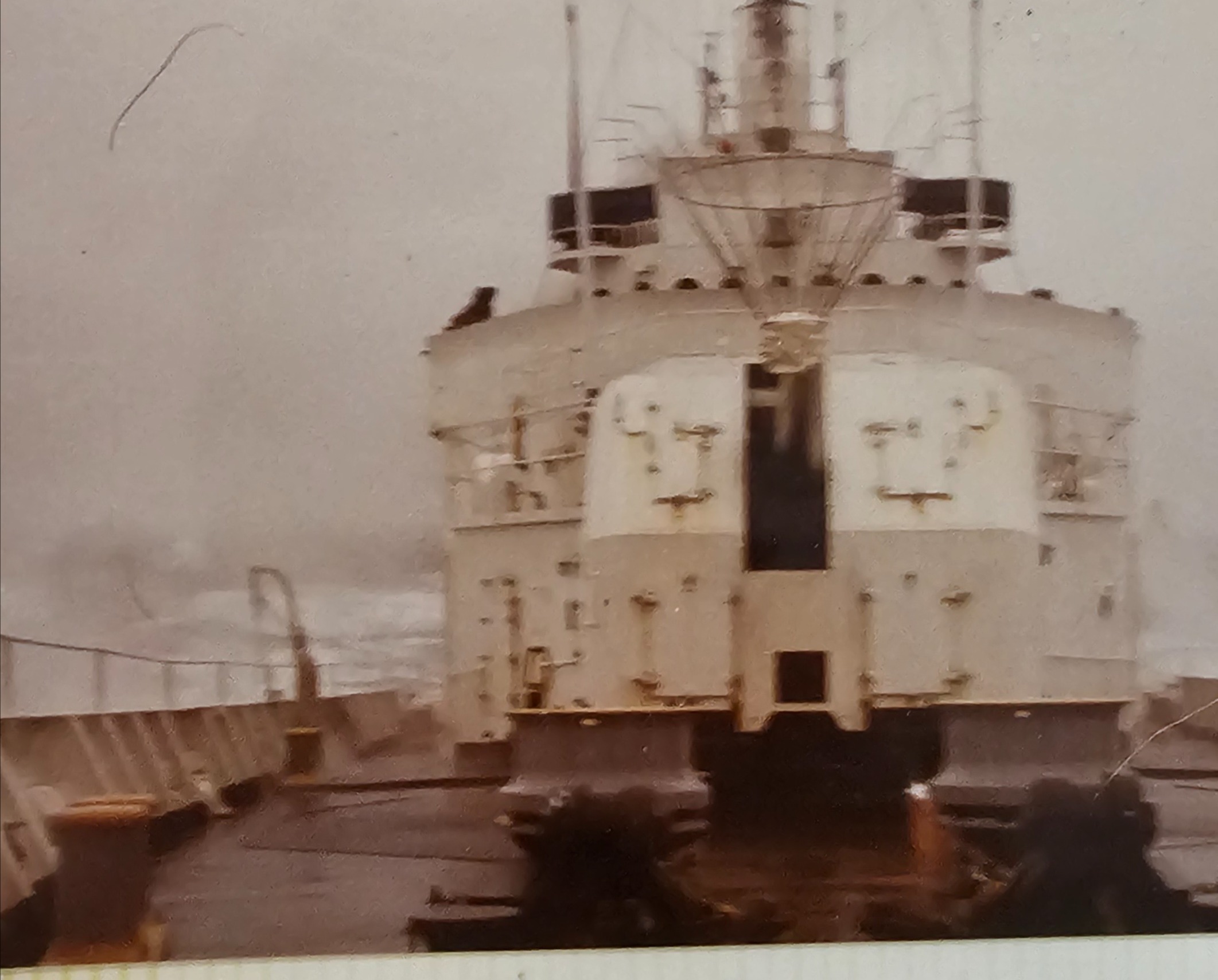
U.S. Coast Guard • 1983
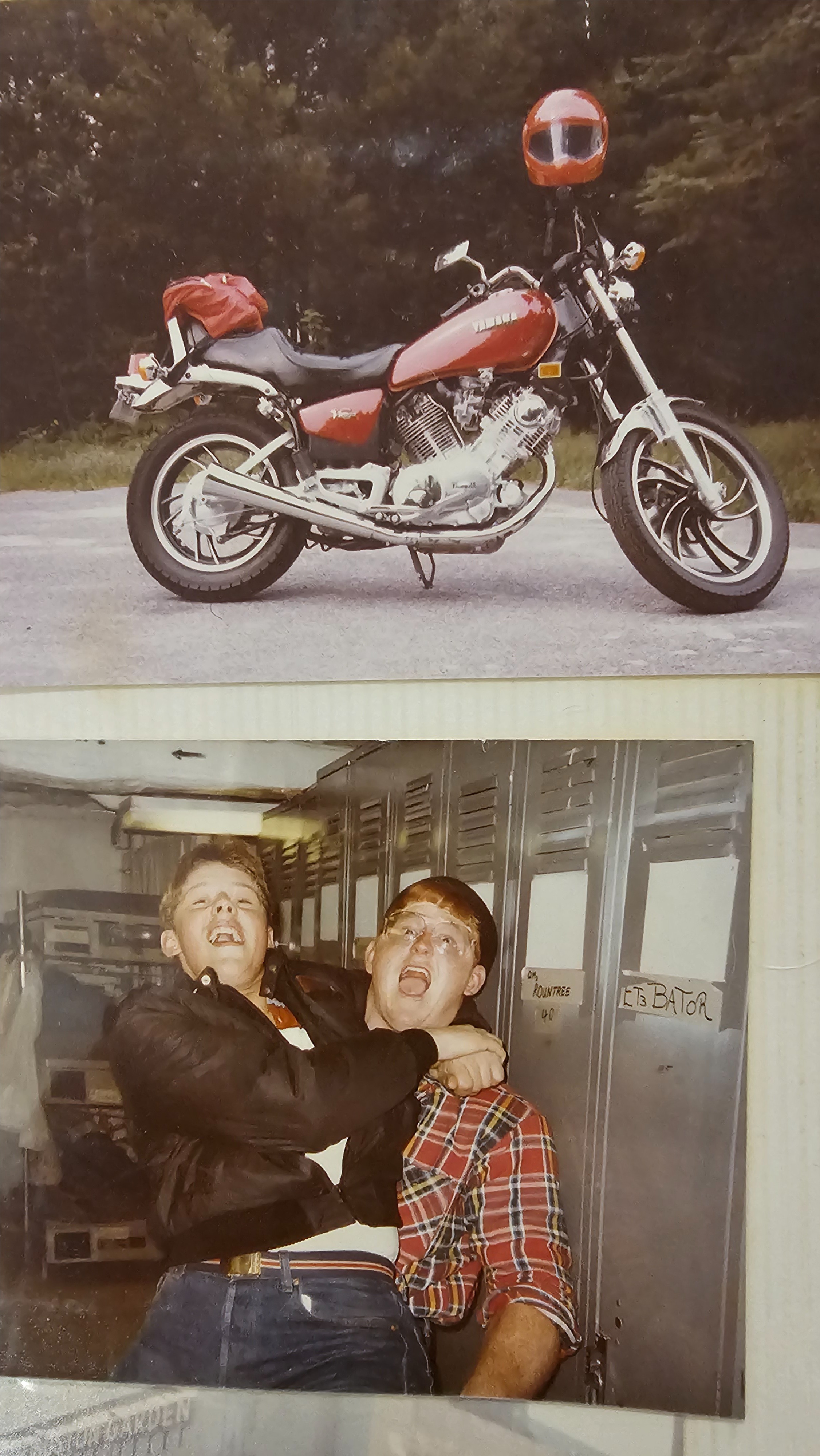
U.S. Coast Guard • 1984
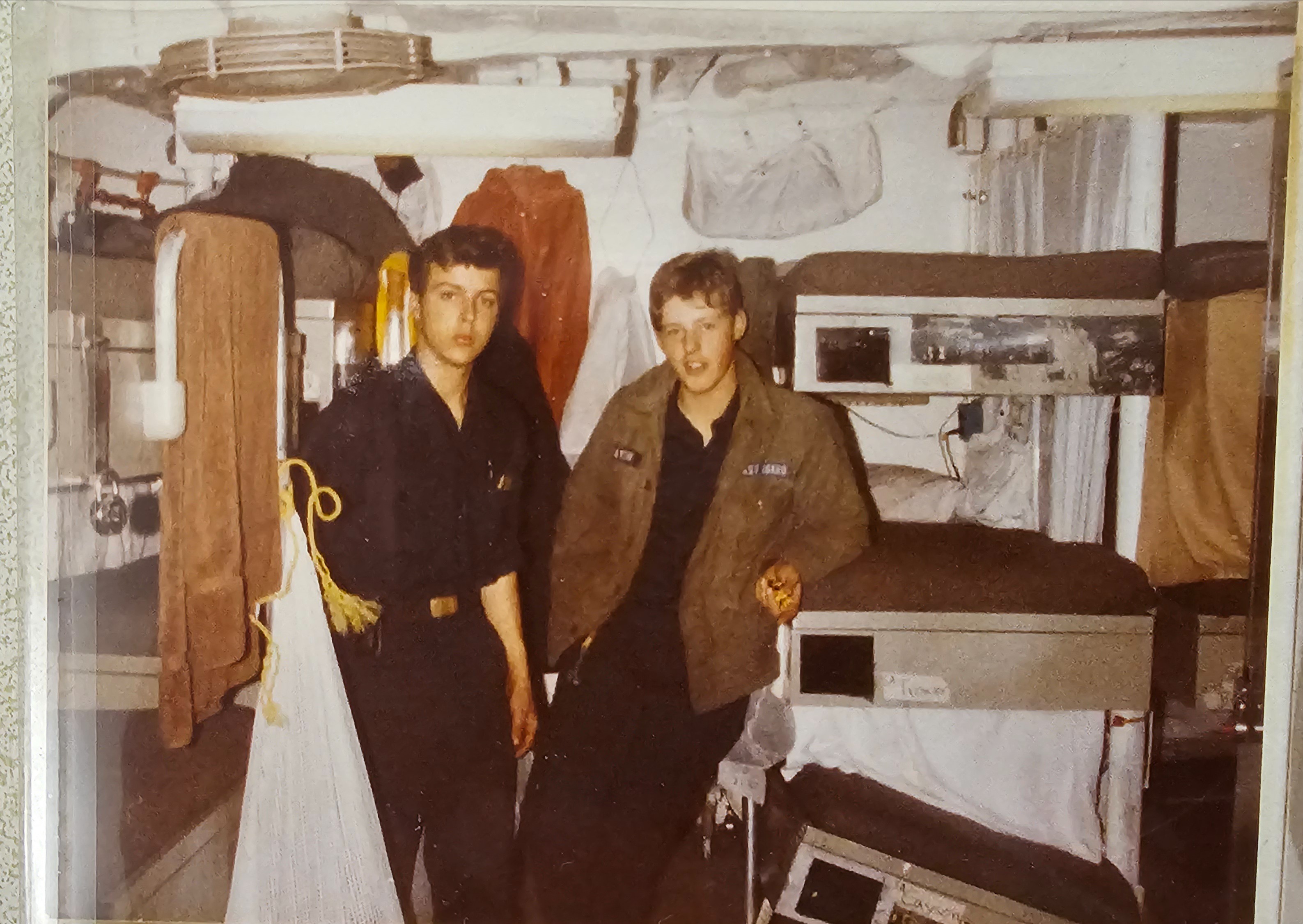
U.S. Coast Guard • 1983