
Opening branch overview
Building the branch home surface
Loading branch highlights, featured unit context, and gallery moments.
Overview
Members
Units
Building the branch home surface
Loading branch highlights, featured unit context, and gallery moments.
Building the branch units surface
Loading unit filters, rankings, and the branch unit grid.

1 members•1 unit
Relive and share the memories of your service-time with your brothers and sisters in arms today. VetFriends.com can help you reconnect.
Did you proudly serve in the USCG Southwind?
Are you looking for someone who is or was in the USCG Southwind?
Do you have USCG Southwind photos you'd like to share?
Then join a community with your brothers and sisters of the USCG Southwind.
Branch
U.S. Coast Guard
Members
1
USCGC Southwind (WAGB-280) was a Wind-class icebreaker commissioned by the United States Coast Guard in 1944 during World War II. Initially serving in the Arctic and North Atlantic, Southwind played a crucial role in escorting convoys, breaking ice, and conducting resupply missions to remote bases. In 1945, she was transferred to the Soviet Union under Lend-Lease and renamed Admiral Makarov, before returning to U.S. service in 1949. Throughout the Cold War, Southwind continued to operate in polar regions, supporting scientific research and military operations until her decommissioning in 1974.
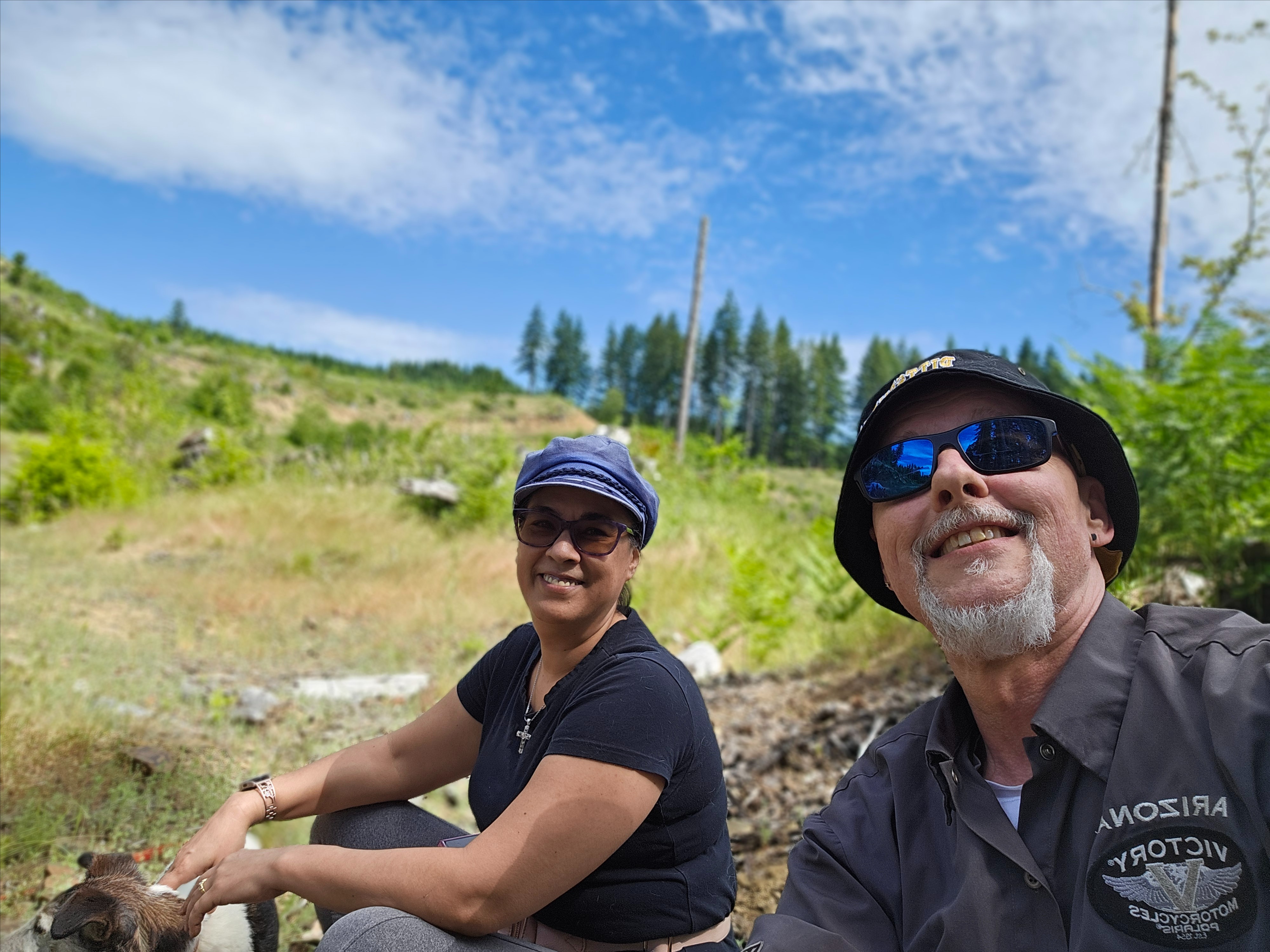
CaysonClan - civilian • U.S. Coast Guard • 2025
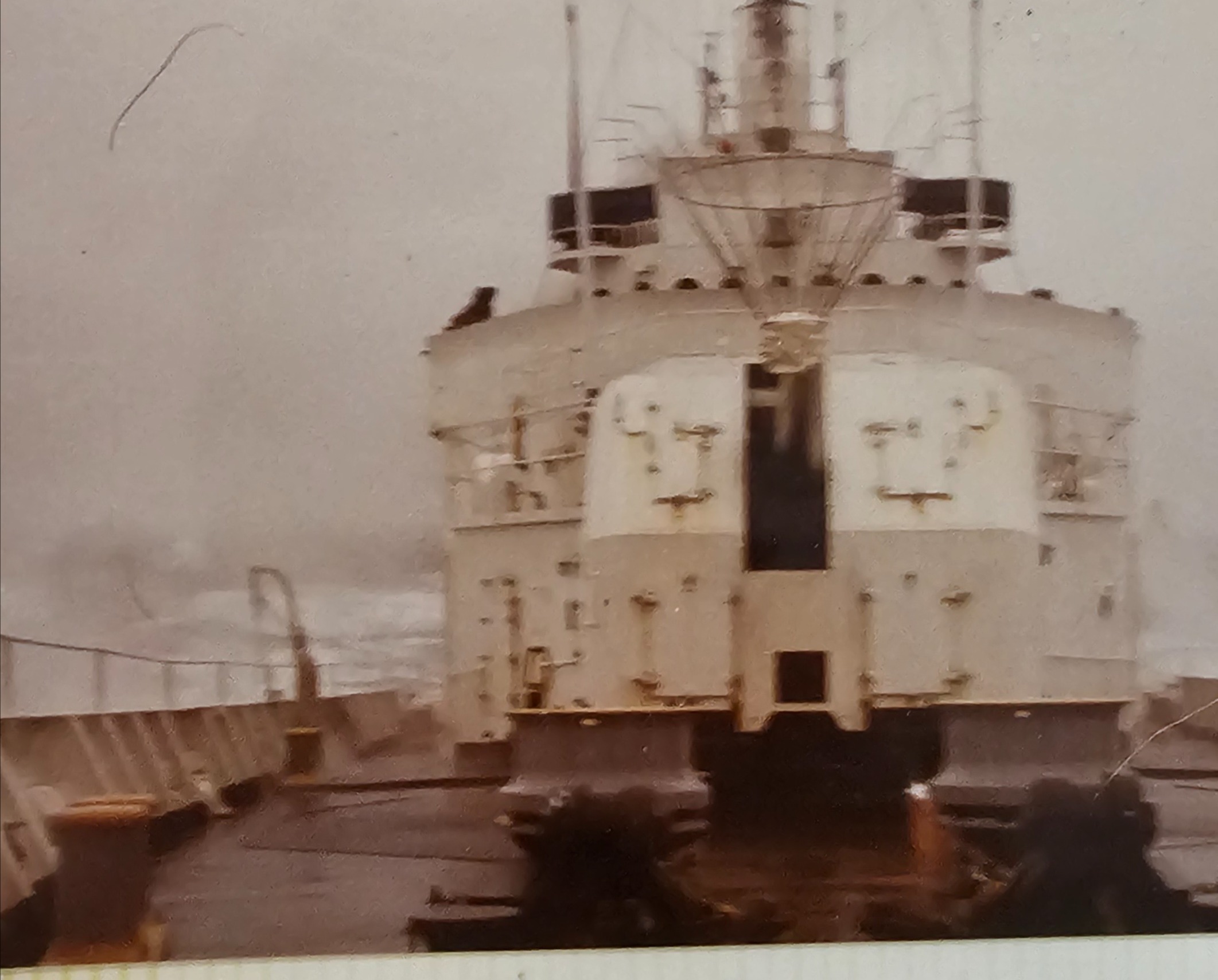
U.S. Coast Guard • 1983
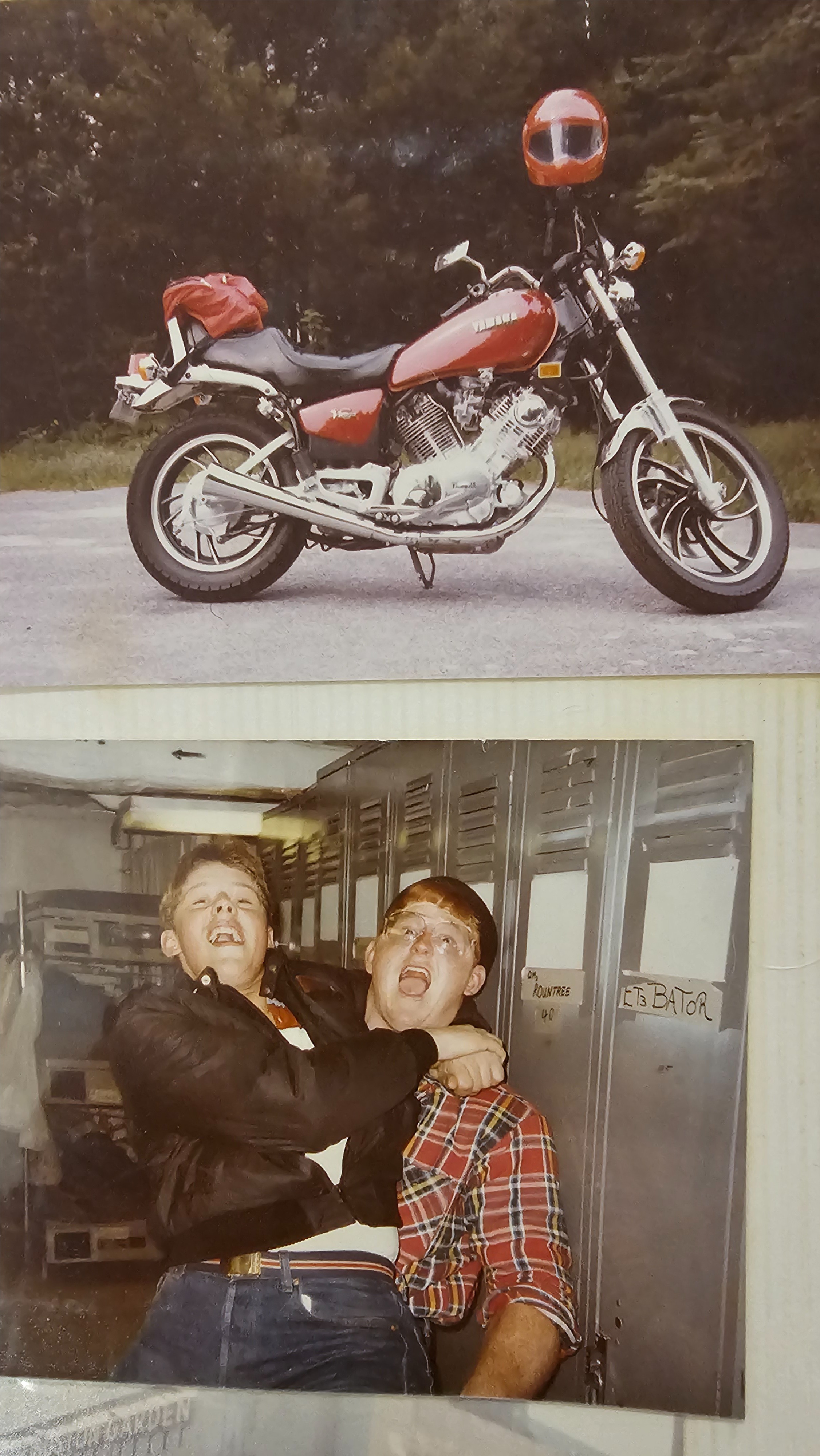
U.S. Coast Guard • 1984
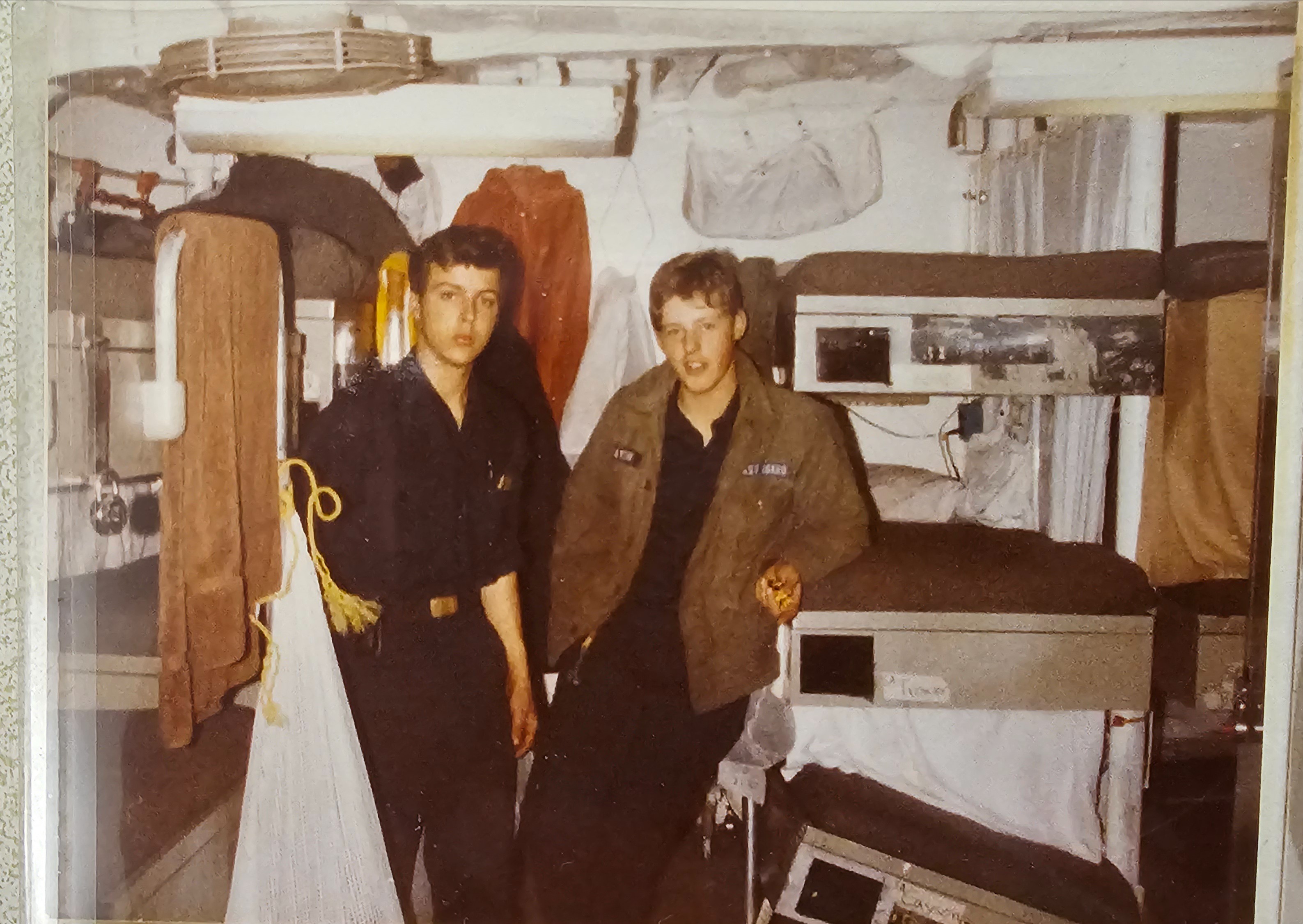
U.S. Coast Guard • 1983