
Opening branch overview
Building the branch home surface
Loading branch highlights, featured unit context, and gallery moments.
Overview
Members
Units
Building the branch home surface
Loading branch highlights, featured unit context, and gallery moments.
Building the branch units surface
Loading unit filters, rankings, and the branch unit grid.

U.S. Coast Guard•3 members
Relive and share the memories of your service-time with your brothers and sisters in arms today. VetFriends.com can help you reconnect.
Did you proudly serve in the USCG Radsta Guam?
Are you looking for someone who is or was in the USCG Radsta Guam?
Do you have USCG Radsta Guam photos you'd like to share?
Then join a community with your brothers and sisters of the USCG Radsta Guam.
USCG RadSta (Radio Station) Guam was established by the United States Coast Guard in 1944 during World War II, following the liberation of Guam from Japanese forces. The station played a vital role in supporting maritime communications across the Western Pacific, serving as a key link for search and rescue operations, navigational safety, and coordination of U.S. naval and merchant traffic. Throughout the Cold War and into the late 20th century, USCG RadSta Guam continued to modernize its facilities and technology, maintaining its strategic importance in the region. The station was eventually decommissioned as advancing satellite and digital communication systems rendered long-range radio less critical, but its legacy endures as a cornerstone of U.S. maritime operations in the Pacific.

U.S. Coast Guard
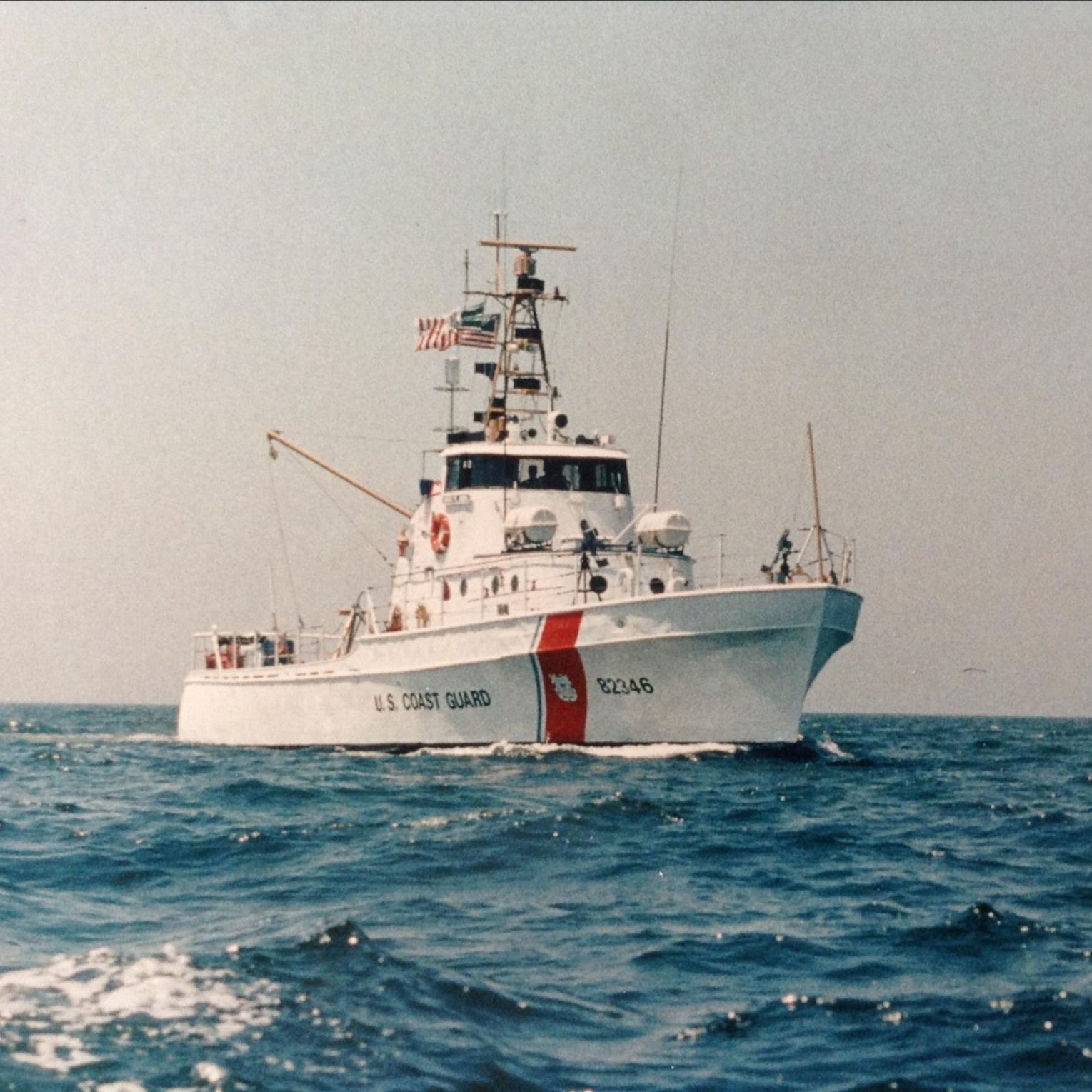
U.S. Coast Guard
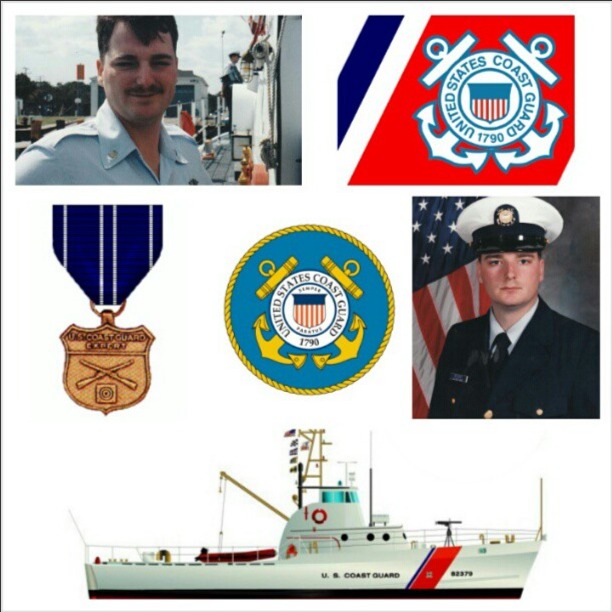
U.S. Coast Guard

U.S. Coast Guard