Over 3,064,780 active members

U.S. Coast Guard•1 members
Relive and share the memories of your service-time with your brothers and sisters in arms today. VetFriends.com can help you reconnect.
Did you proudly serve in the USCG LORSTA Sattahip Thailand?
Are you looking for someone who is or was in the USCG LORSTA Sattahip Thailand?
Do you have USCG LORSTA Sattahip Thailand photos you'd like to share?
Then join a community with your brothers and sisters of the USCG LORSTA Sattahip Thailand.
Branch
U.S. Coast Guard
Members
1
USCG LORSTA Sattahip, Thailand, was a United States Coast Guard Long Range Navigation (LORAN) station established during the Vietnam War era. Commissioned in 1966, the station played a crucial role in providing accurate navigation signals to U.S. and allied military and civilian vessels and aircraft operating in Southeast Asia. Operated and maintained by Coast Guard personnel, LORSTA Sattahip contributed significantly to the safe and efficient movement of forces during the conflict. The station was decommissioned in 1976 as advancements in navigation technology and the end of major U.S. operations in the region reduced the need for LORAN support.
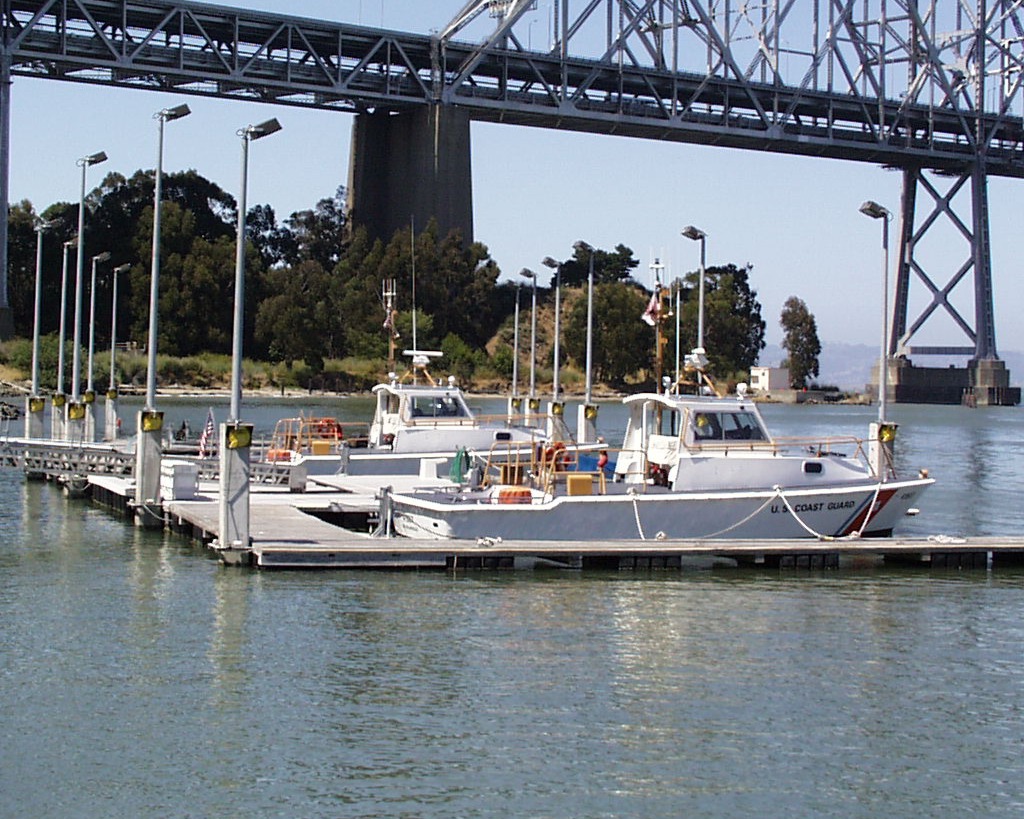
USCG Station San Francisco, CA • U.S. Coast Guard • 1989
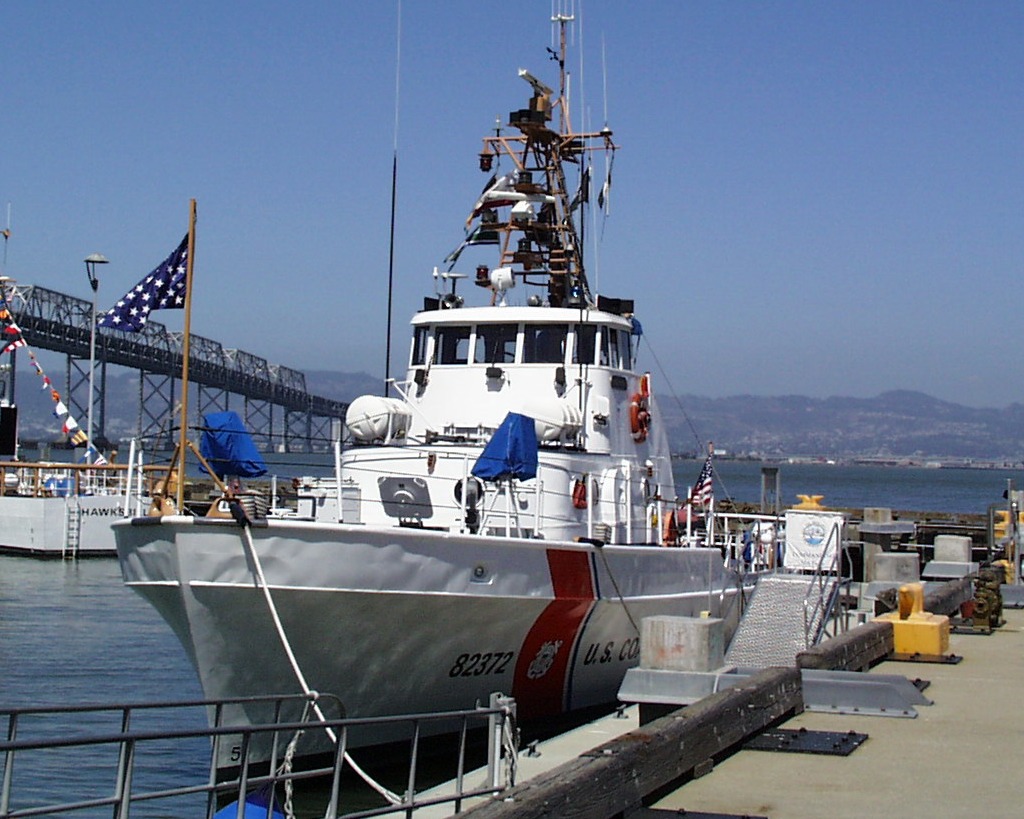
USCGC Point Brower (WPB-82372) • U.S. Coast Guard • 1986
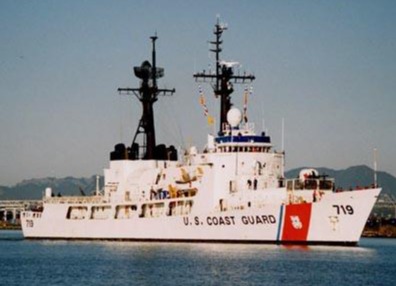
USCGC Boutwell (WHEC-719) • U.S. Coast Guard • 1982
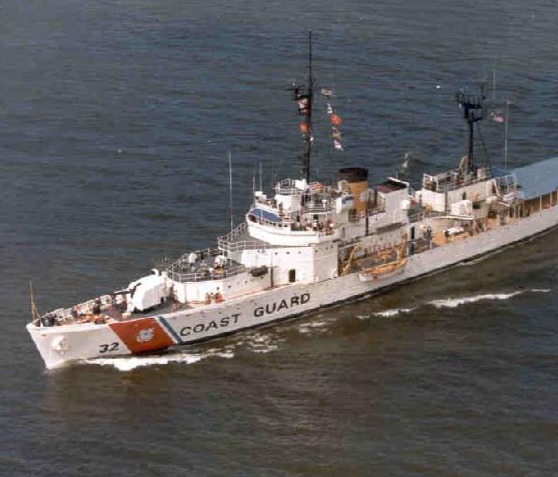
U.S. Coast Guard • 1975
