
Opening branch overview
Building the branch home surface
Loading branch highlights, featured unit context, and gallery moments.
Overview
Members
Units
Building the branch home surface
Loading branch highlights, featured unit context, and gallery moments.
Building the branch units surface
Loading unit filters, rankings, and the branch unit grid.

3 members•1 unit
Relive and share the memories of your service-time with your brothers and sisters in arms today. VetFriends.com can help you reconnect.
Did you proudly serve in the Loran Station Estartit?
Are you looking for someone who is or was in the Loran Station Estartit?
Do you have Loran Station Estartit photos you'd like to share?
Then join a community with your brothers and sisters of the Loran Station Estartit.
Branch
U.S. Coast Guard
Members
3
Loran Station Estartit was a United States Coast Guard-operated LORAN-C (Long Range Navigation) transmitting station situated near L'Estartit, on the Costa Brava in Spain. Established in the early 1960s during the Cold War, the station was part of the Mediterranean LORAN-C Chain, providing crucial navigational signals to NATO naval and air units operating in the region. Staffed by U.S. military personnel, Loran Station Estartit played a significant role in ensuring accurate maritime navigation until advances in satellite navigation technology rendered the system obsolete. The station was decommissioned in the late 1980s, marking the end of its strategic military importance.

U.S. Coast Guard
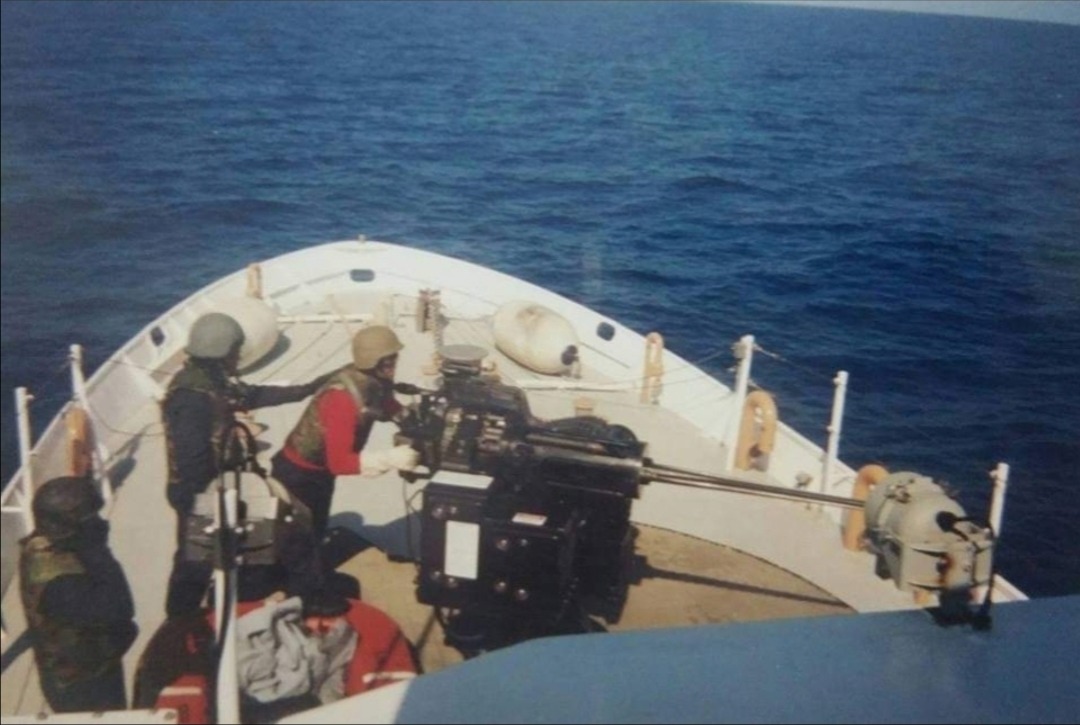
U.S. Coast Guard
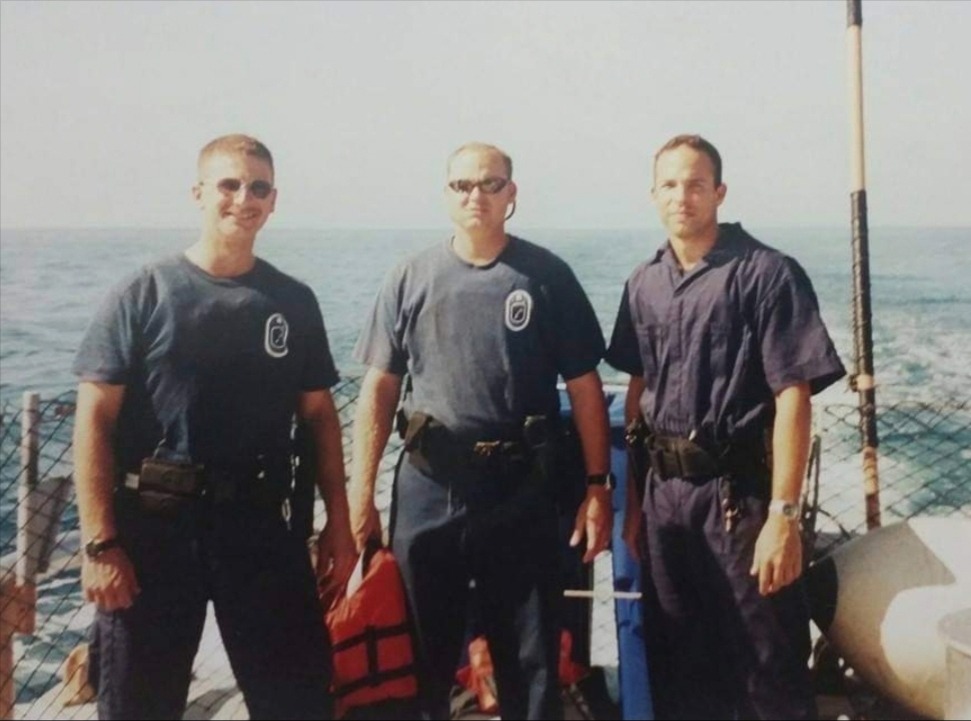
U.S. Coast Guard
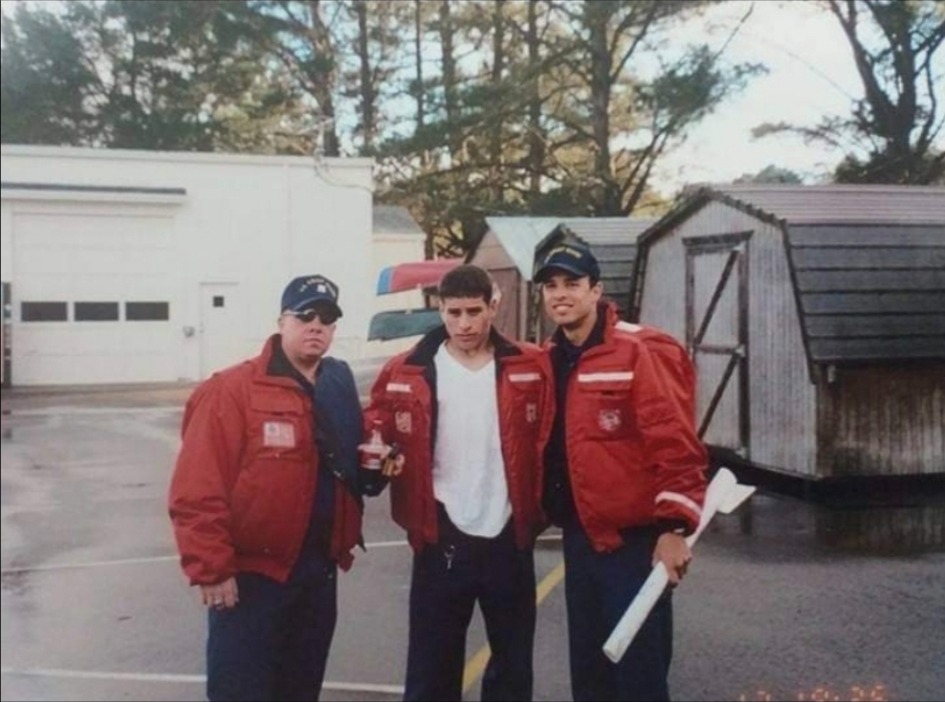
U.S. Coast Guard