
Opening branch overview
Building the branch home surface
Loading branch highlights, featured unit context, and gallery moments.
Overview
Members
Units
Building the branch home surface
Loading branch highlights, featured unit context, and gallery moments.
Building the branch units surface
Loading unit filters, rankings, and the branch unit grid.

1 members•1 unit
Relive and share the memories of your service-time with your brothers and sisters in arms today. VetFriends.com can help you reconnect.
Did you proudly serve in the Johnston Atoll?
Are you looking for someone who is or was in the Johnston Atoll?
Do you have Johnston Atoll photos you'd like to share?
Then join a community with your brothers and sisters of the Johnston Atoll.
Branch
U.S. Coast Guard
Members
1
Johnston Atoll, a remote island in the Pacific Ocean, has held strategic military importance for the United States since its initial occupation in 1934. During World War II, the atoll was developed into an airbase and refueling station, supporting operations across the Pacific theater. In the Cold War era, it served as a launch site for nuclear and missile tests, as well as a storage and disposal site for chemical weapons. The military presence on Johnston Atoll continued until the late 1990s, when environmental cleanup and demilitarization efforts led to the closure of the base.
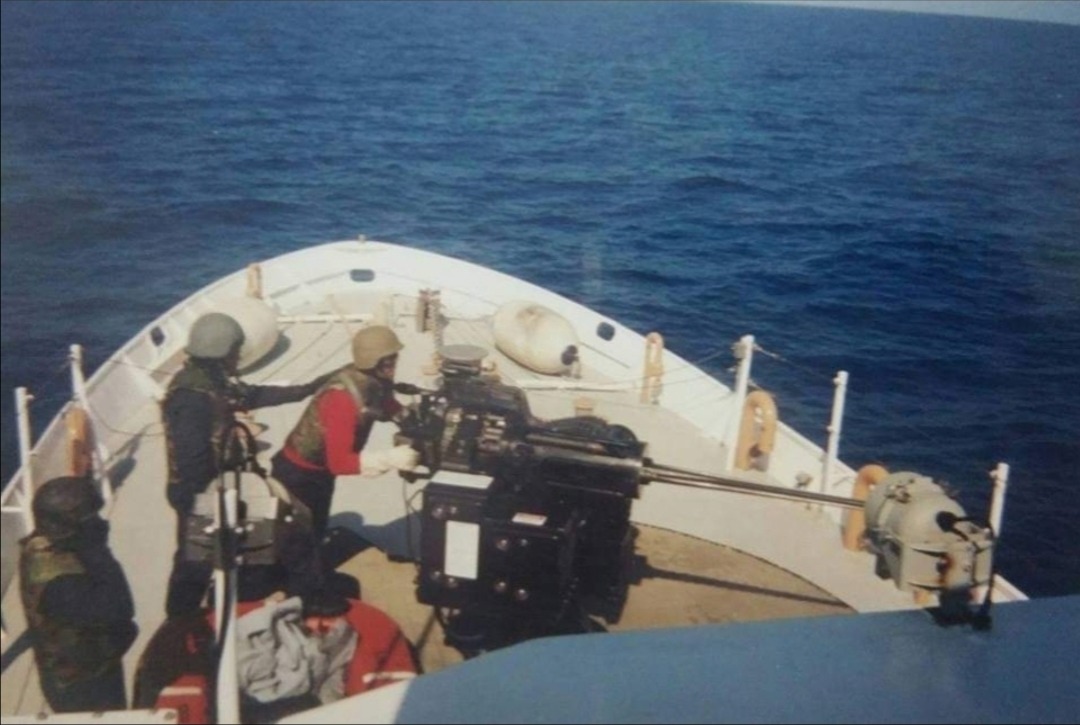
U.S. Coast Guard
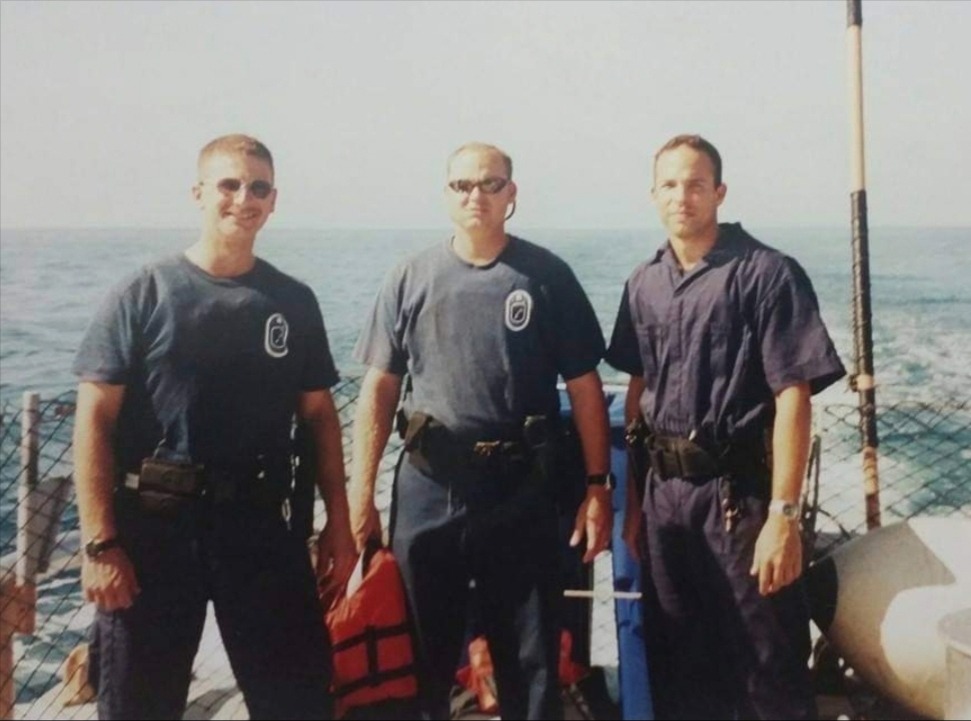
U.S. Coast Guard
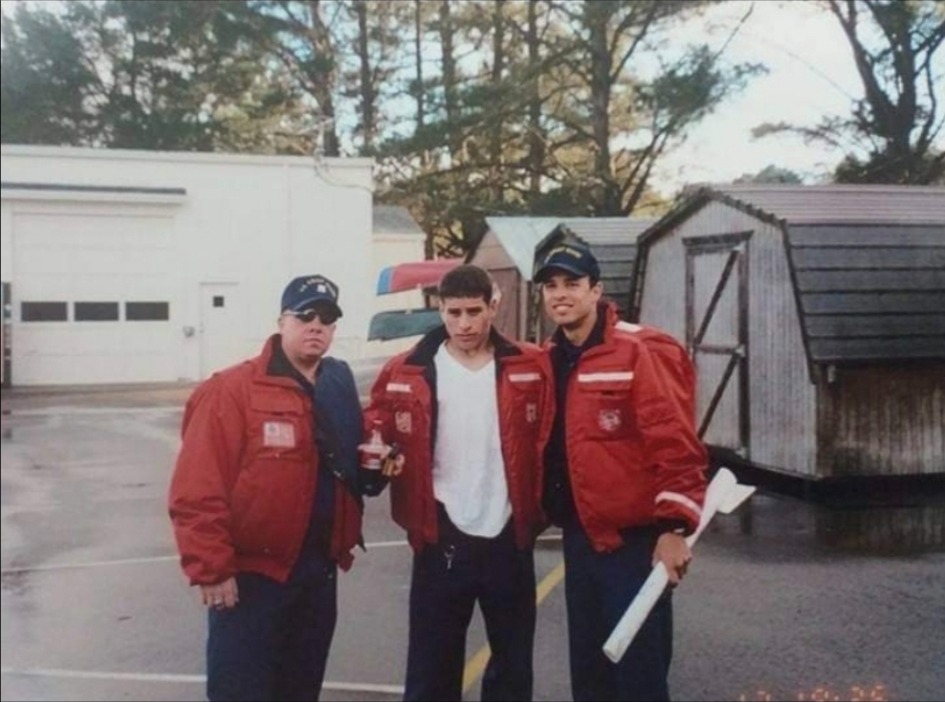
U.S. Coast Guard
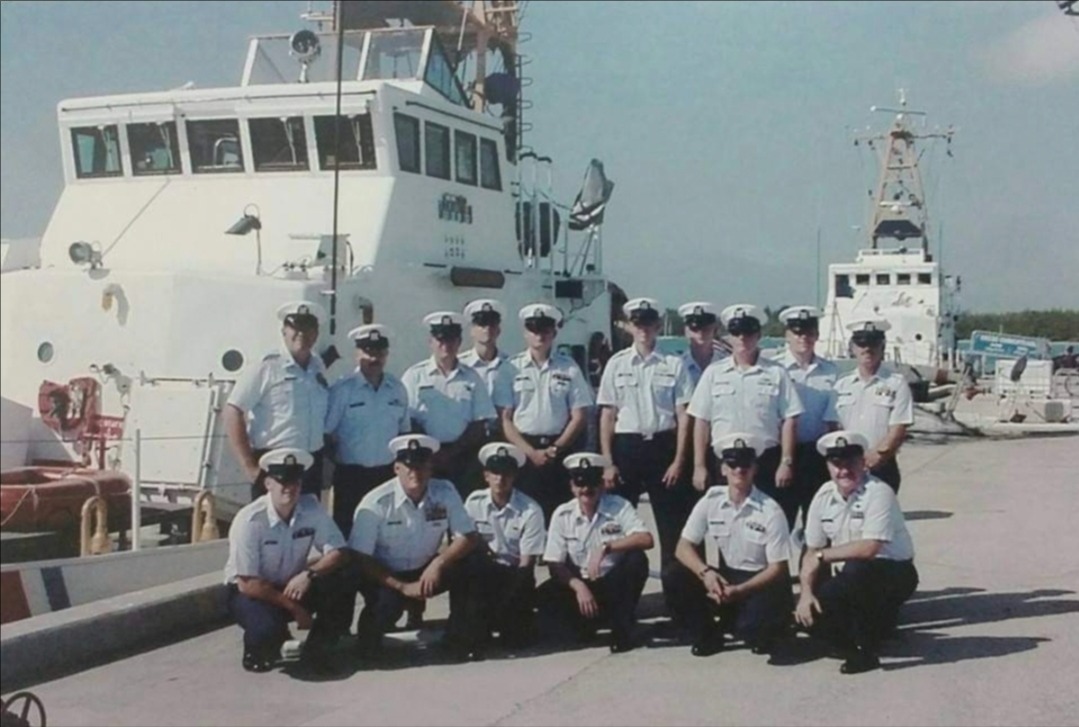
U.S. Coast Guard