
Opening branch overview
Building the branch home surface
Loading branch highlights, featured unit context, and gallery moments.
Overview
Members
Units
Building the branch home surface
Loading branch highlights, featured unit context, and gallery moments.
Building the branch units surface
Loading unit filters, rankings, and the branch unit grid.

37 members•1 unit
Relive and share the memories of your service-time with your brothers and sisters in arms today. VetFriends.com can help you reconnect.
Did you proudly serve in the Yongsan Army Garrison, Seoul S. Korea?
Are you looking for someone who is or was in the Yongsan Army Garrison, Seoul S. Korea?
Do you have Yongsan Army Garrison, Seoul S. Korea photos you'd like to share?
Then join a community with your brothers and sisters of the Yongsan Army Garrison, Seoul S. Korea.
Branch
U.S. Army
Members
37
Yongsan Army Garrison, located in Seoul, South Korea, has served as a major United States military base since shortly after World War II. Originally established as a Japanese military facility during the early 20th century, it was taken over by U.S. forces at the end of Japanese occupation in 1945. Throughout the Korean War and the decades following, Yongsan functioned as the headquarters for United States Forces Korea (USFK), the Eighth Army, and United Nations Command, playing a central role in the defense of the Korean Peninsula. In recent years, most operations and personnel were relocated to Camp Humphreys as part of the Yongsan Relocation Plan, with the garrison’s footprint in Seoul significantly reduced by 2020.
159th Avn Bn • U.S. Army • 1976
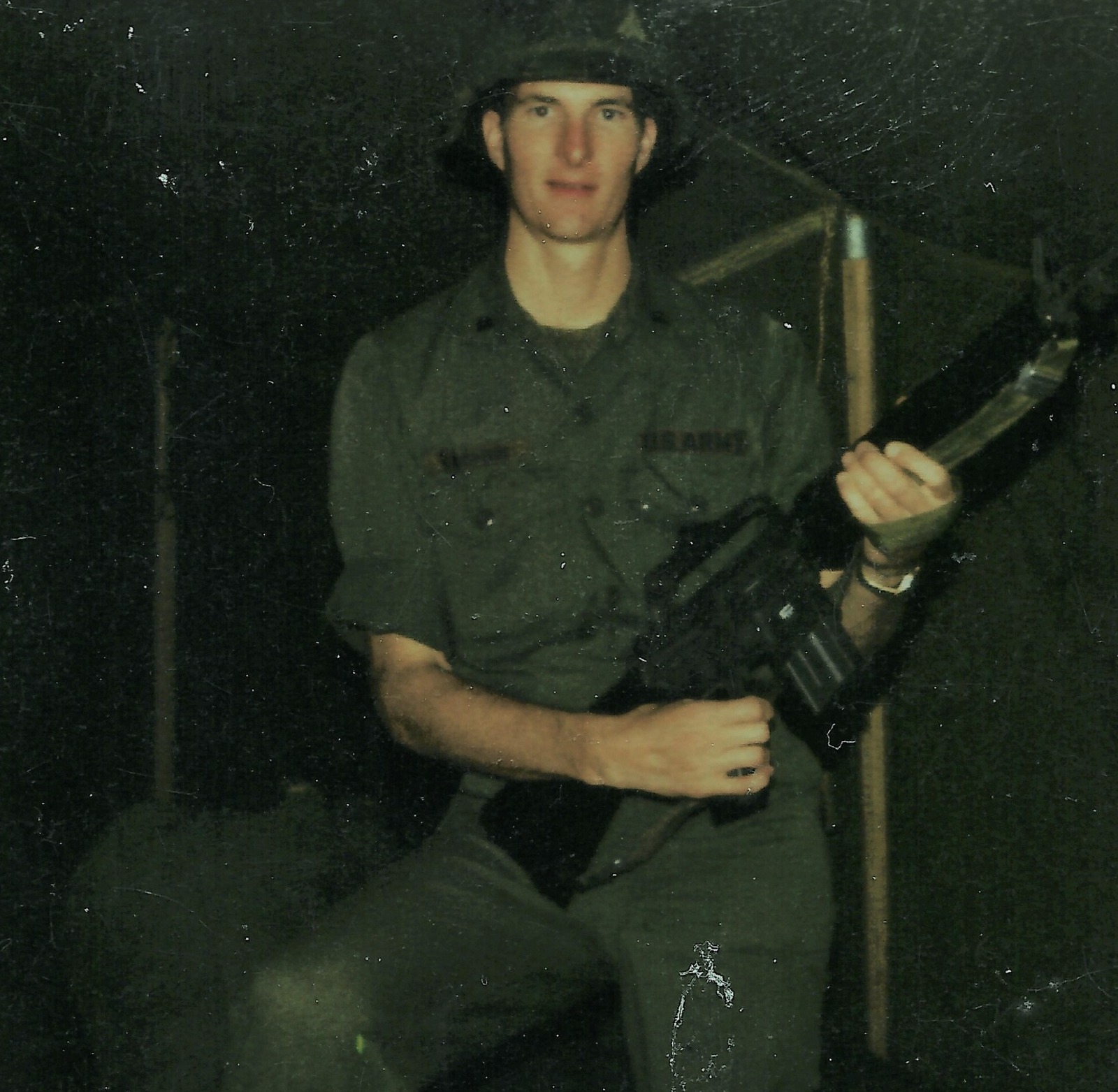
4th ID • U.S. Army • 1980
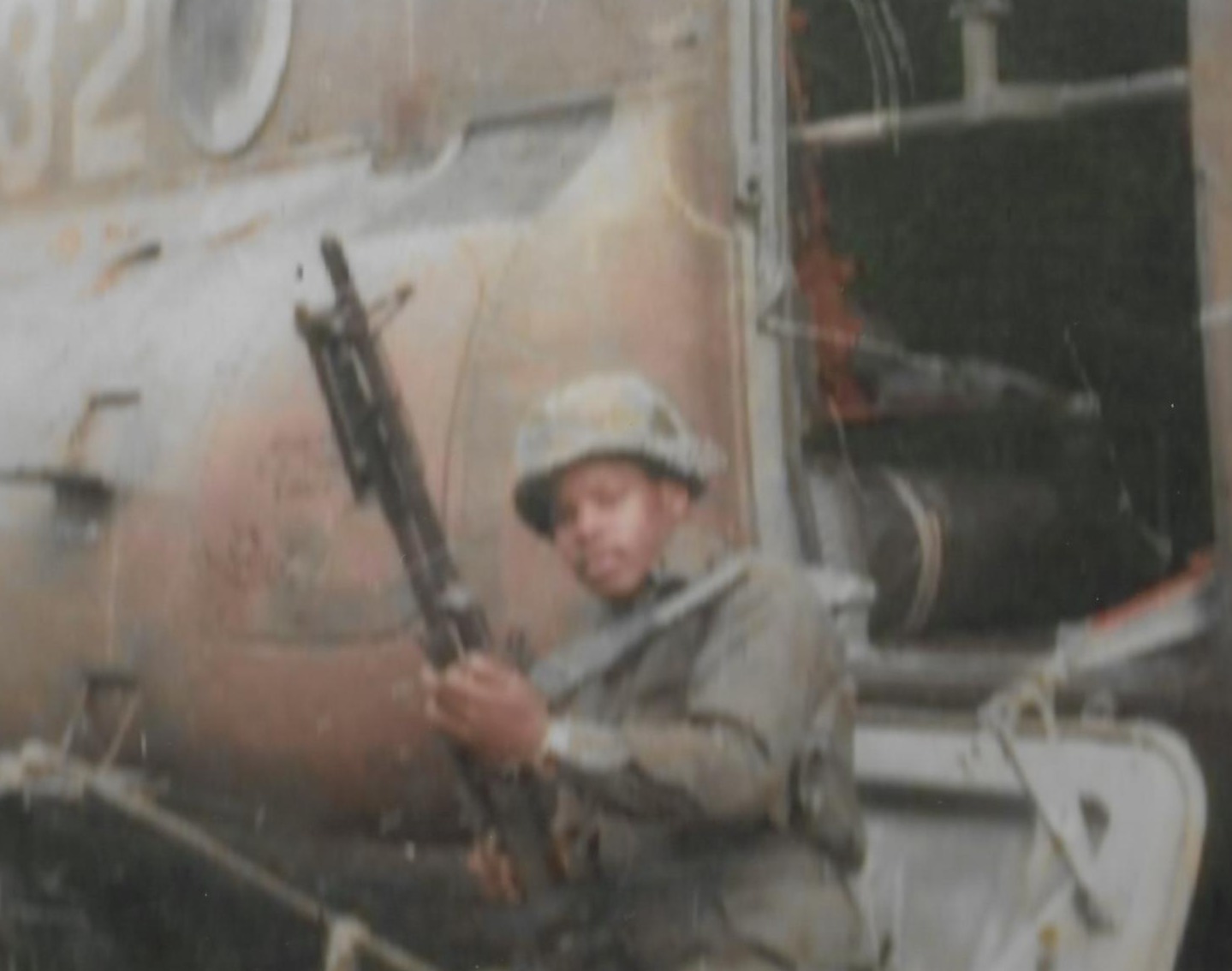
1/9 air cav • U.S. Army • 1969
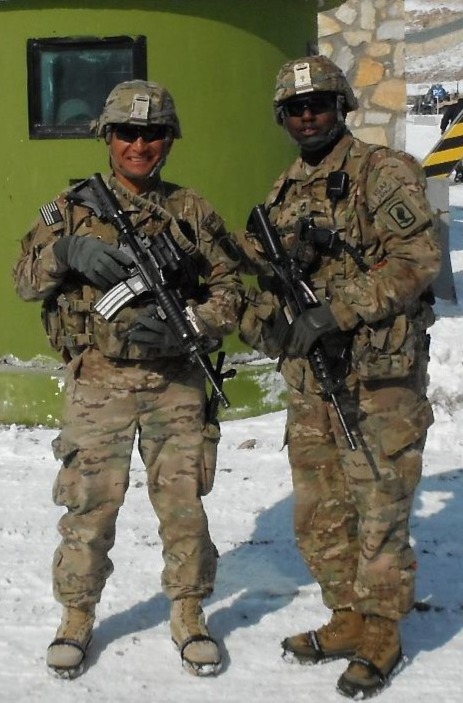
173rd Brigade, 2-503 Infantry • U.S. Army • 2012