
Opening branch overview
Building the branch home surface
Loading branch highlights, featured unit context, and gallery moments.
Overview
Members
Units
Building the branch home surface
Loading branch highlights, featured unit context, and gallery moments.
Building the branch units surface
Loading unit filters, rankings, and the branch unit grid.


U.S. Army•108 members
Relive and share the memories of your service-time with your brothers and sisters in arms today. VetFriends.com can help you reconnect.
Did you proudly serve in the XXIV 24th Corps?
Are you looking for someone who is or was in the XXIV 24th Corps?
Do you have XXIV 24th Corps photos you'd like to share?
Then join a community with your brothers and sisters of the XXIV 24th Corps.
The XXIV (24th) Corps was a corps-level command of the United States Army, first activated during the American Civil War in December 1864. It played a key role in the final campaigns against the Confederacy, participating notably in the Siege of Petersburg and the subsequent occupation of Richmond, Virginia. After the Civil War, the corps was disbanded in 1866. The XXIV Corps designation was later revived during the Vietnam War, where it commanded U.S. Army ground forces in the northernmost region of South Vietnam from 1968 to 1972, playing a crucial role in major operations such as the defense of the Demilitarized Zone and the Easter Offensive of 1972.
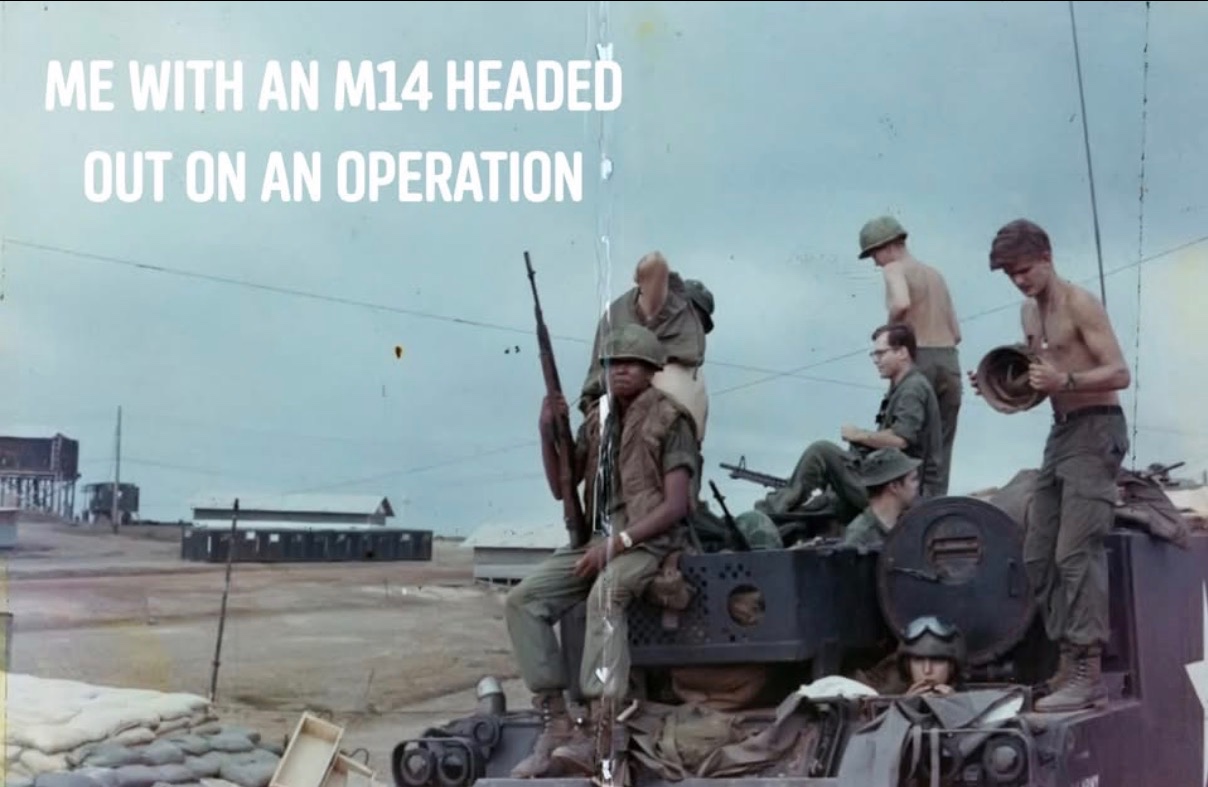
1:36th Field Artillery • U.S. Army • 1969

U.S. Army

HHC XXIV CORPS • U.S. Army • 1971

MP School • U.S. Army • 1954