Opening branch overview
Building the branch home surface
Loading branch highlights, featured unit context, and gallery moments.
Overview
Members
Units
Building the branch home surface
Loading branch highlights, featured unit context, and gallery moments.
Building the branch units surface
Loading unit filters, rankings, and the branch unit grid.

37 members•1 unit
Relive and share the memories of your service-time with your brothers and sisters in arms today. VetFriends.com can help you reconnect.
Did you proudly serve in the Walter Reed National Military Medical Center?
Are you looking for someone who is or was in the Walter Reed National Military Medical Center?
Do you have Walter Reed National Military Medical Center photos you'd like to share?
Then join a community with your brothers and sisters of the Walter Reed National Military Medical Center.
Branch
U.S. Army
Members
37
Walter Reed National Military Medical Center (WRNMMC), located in Bethesda, Maryland, was established in 2011 through the merger of the Walter Reed Army Medical Center and the National Naval Medical Center. Its origins trace back to the founding of Walter Reed Army Medical Center in Washington, D.C., in 1909, named after the famed Army physician Walter Reed. Over the decades, the center has served as the premier military medical facility in the United States, providing advanced care to service members, veterans, and their families, as well as presidents and other national leaders. Today, WRNMMC stands as a symbol of military medical excellence and a key component of the Defense Health Agency.
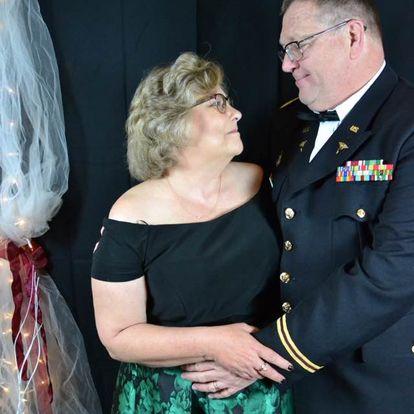
U.S. Army • 1981
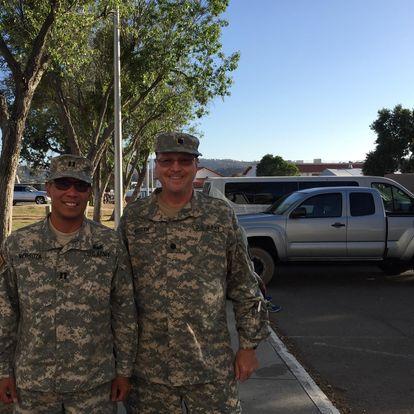
U.S. Army • 1983