
Opening branch overview
Building the branch home surface
Loading branch highlights, featured unit context, and gallery moments.
Overview
Members
Units
Building the branch home surface
Loading branch highlights, featured unit context, and gallery moments.
Building the branch units surface
Loading unit filters, rankings, and the branch unit grid.

2 members•1 unit
Relive and share the memories of your service-time with your brothers and sisters in arms today. VetFriends.com can help you reconnect.
Did you proudly serve in the VCOSCOM 5th Corp. USUAR?
Are you looking for someone who is or was in the VCOSCOM 5th Corp. USUAR?
Do you have VCOSCOM 5th Corp. USUAR photos you'd like to share?
Then join a community with your brothers and sisters of the VCOSCOM 5th Corp. USUAR.
Branch
U.S. Army
Members
2
The VCOSCOM 5th Corps, United States Army Reserve (USUAR), served as a vital logistical command unit within the U.S. Army structure. Established during the Cold War era, it provided critical support to the 5th Corps by overseeing supply, transportation, and maintenance operations, especially during major exercises and potential deployments in Europe. The unit played a key role in ensuring operational readiness during both peacetime and contingency operations, facilitating rapid mobilization and sustainment. Over the years, VCOSCOM 5th Corps adapted to evolving military doctrines, supporting missions from the European theater to operations in the Middle East before its eventual reorganization as Army logistics needs changed.
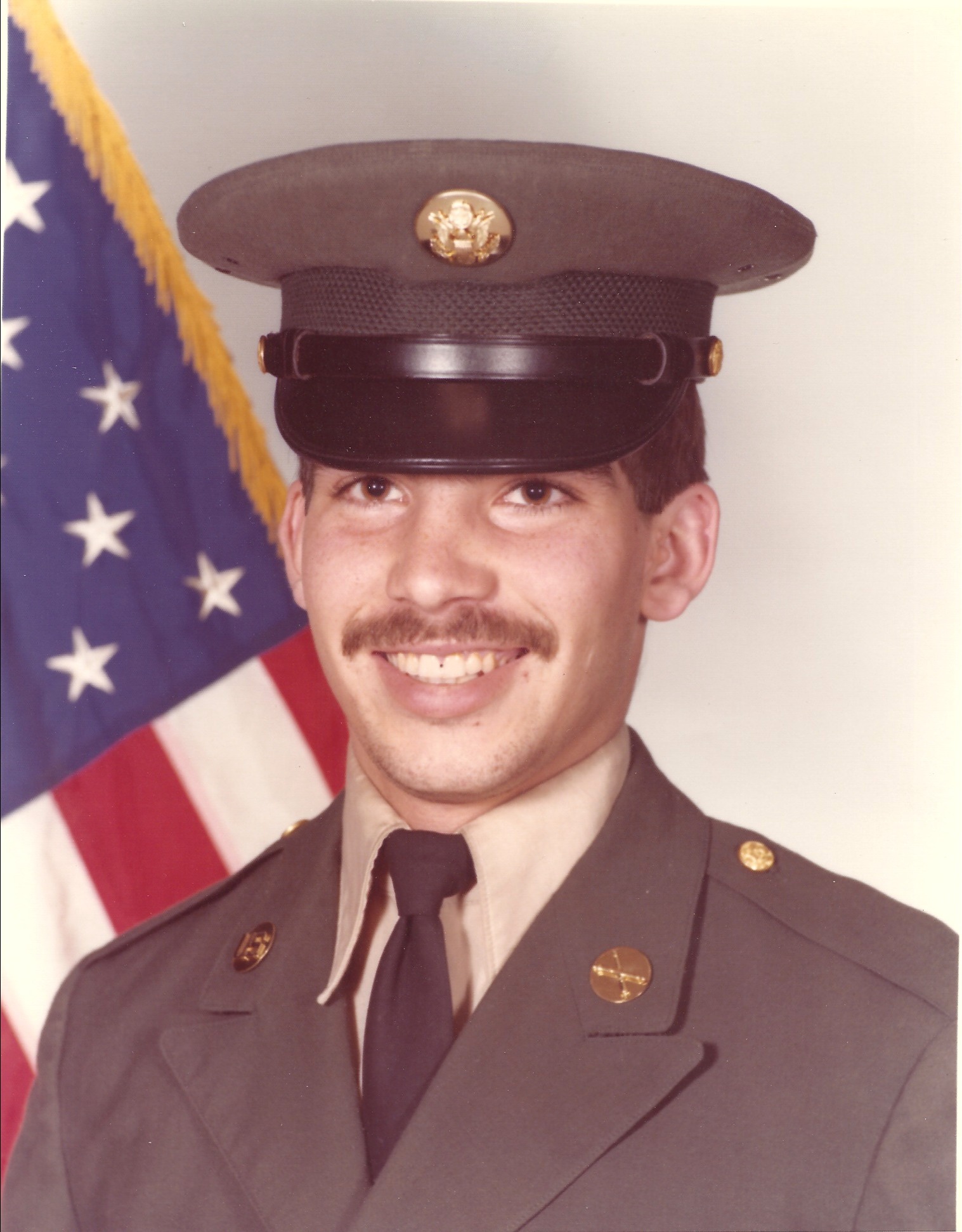
ARTILLERY • U.S. Army
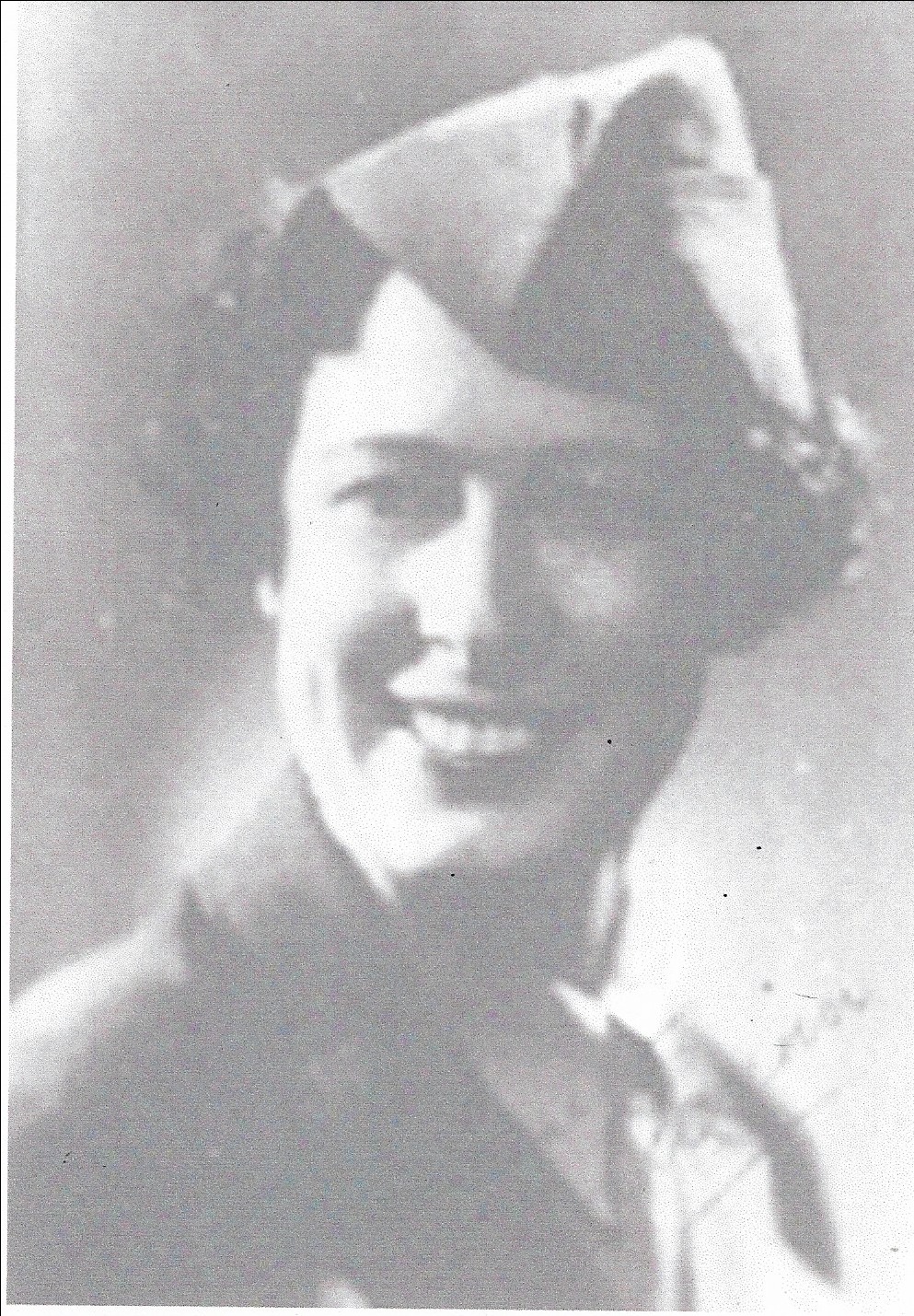
U.S. Army
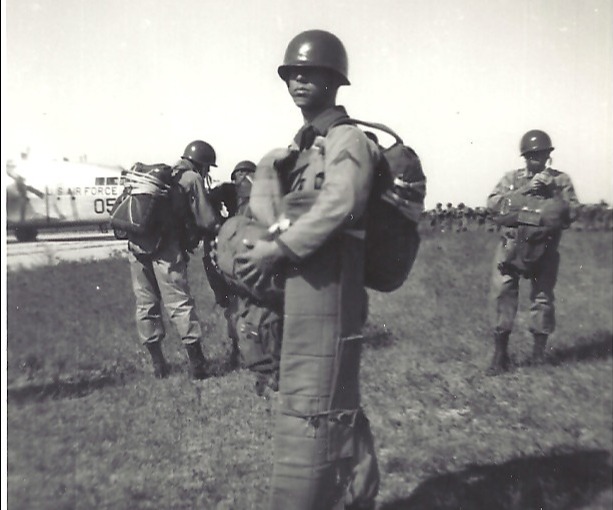
82nd Airborne • U.S. Army • 1954
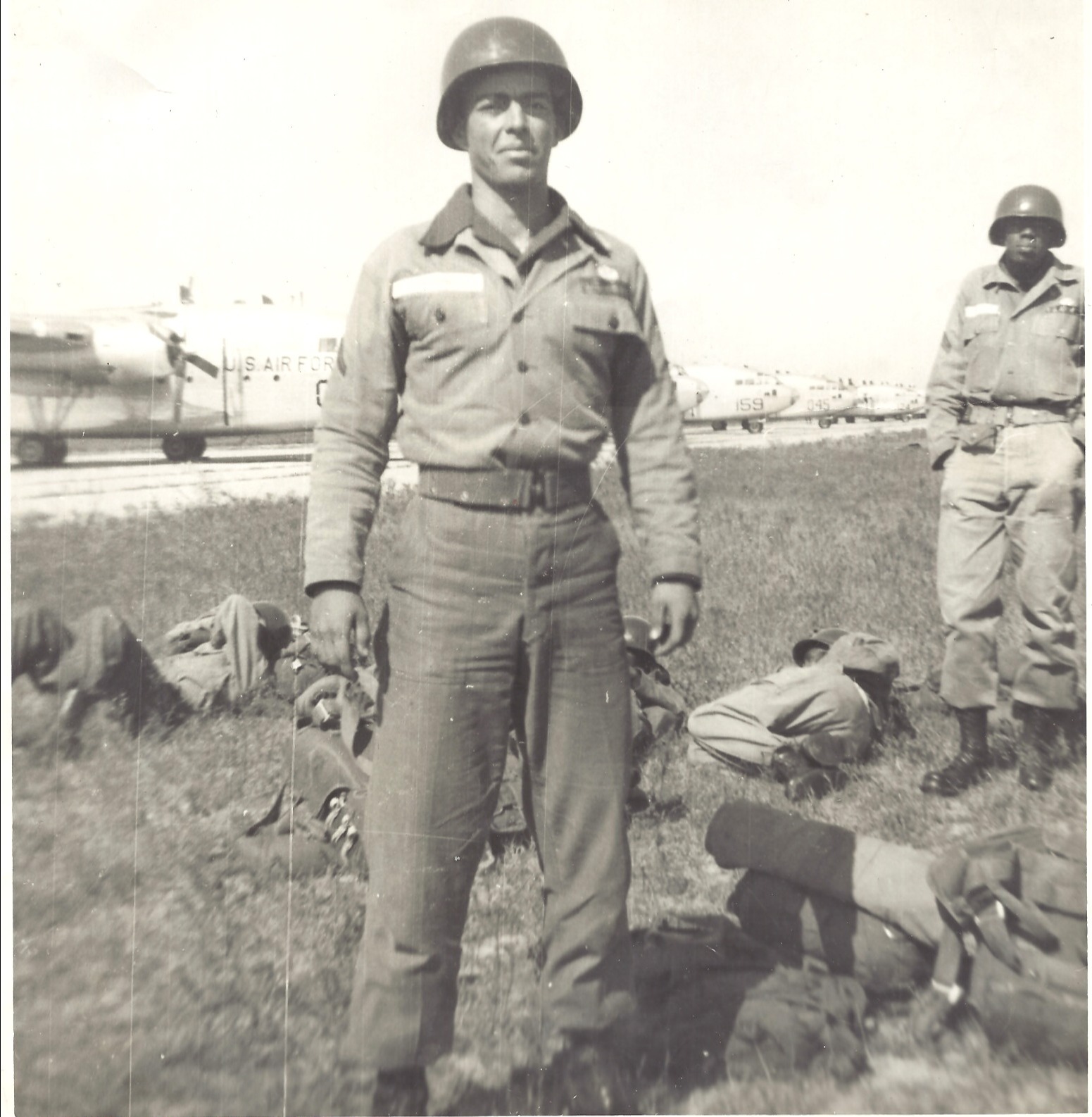
82nd Airborne • U.S. Army • 1954