
Opening branch overview
Building the branch home surface
Loading branch highlights, featured unit context, and gallery moments.
Overview
Members
Units
Building the branch home surface
Loading branch highlights, featured unit context, and gallery moments.
Building the branch units surface
Loading unit filters, rankings, and the branch unit grid.

7 members•1 unit
Relive and share the memories of your service-time with your brothers and sisters in arms today. VetFriends.com can help you reconnect.
Did you proudly serve in the USTRATCOM?
Are you looking for someone who is or was in the USTRATCOM?
Do you have USTRATCOM photos you'd like to share?
Then join a community with your brothers and sisters of the USTRATCOM.
Branch
U.S. Army
Members
7
United States Strategic Command (USSTRATCOM) was established on June 1, 1992, following the end of the Cold War, by merging the Strategic Air Command (SAC) and the United States Space Command's strategic missions. Headquartered at Offutt Air Force Base, Nebraska, USSTRATCOM was created to oversee the United States' strategic nuclear forces, providing global command and control of nuclear capabilities to deter and, if necessary, respond to strategic threats. Over time, its mission expanded to include space operations, global strike, missile defense, and cyberspace operations. As one of the eleven unified combatant commands, USSTRATCOM plays a pivotal role in maintaining strategic deterrence and ensuring U.S. national security in an evolving global threat environment.
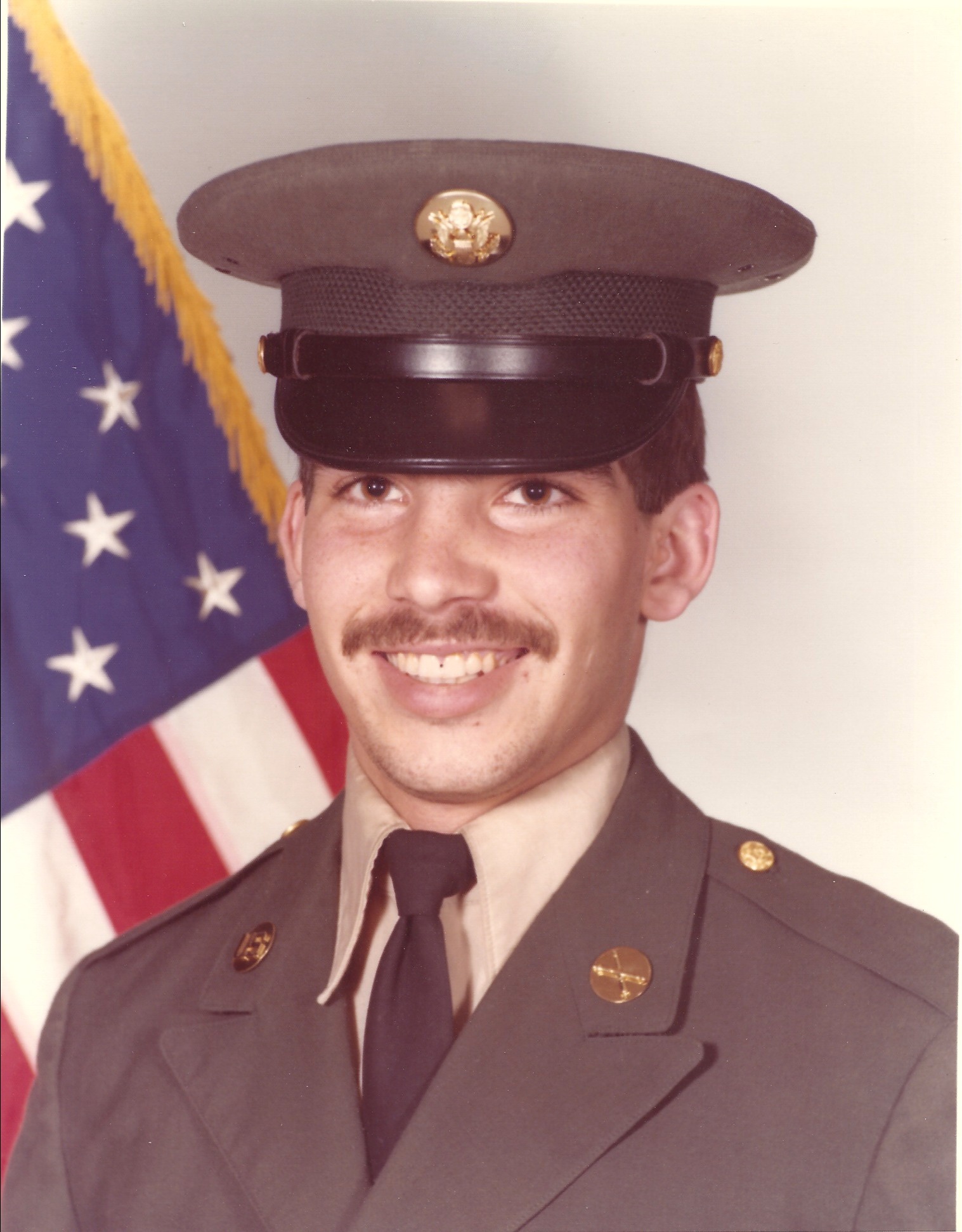
ARTILLERY • U.S. Army
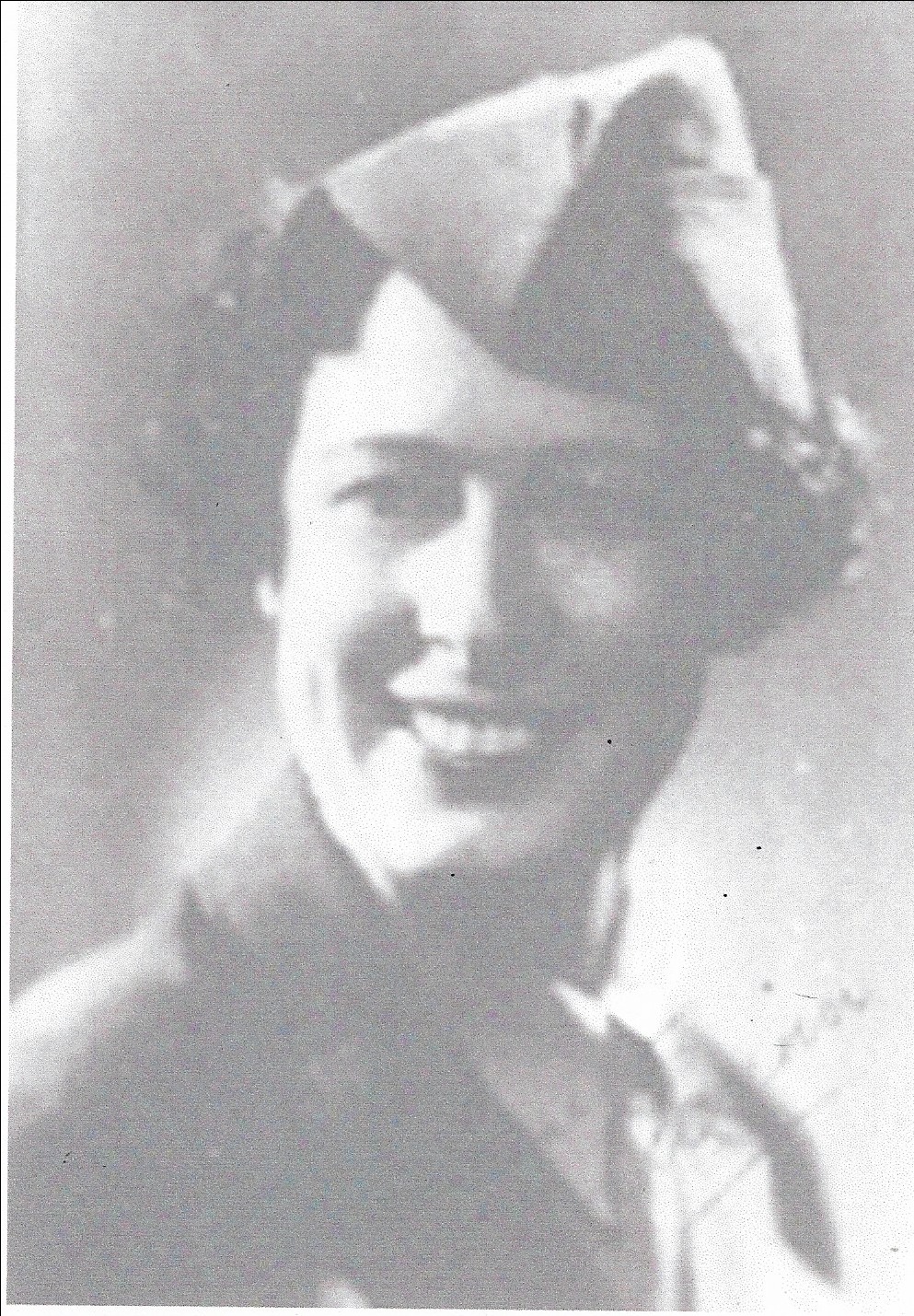
U.S. Army
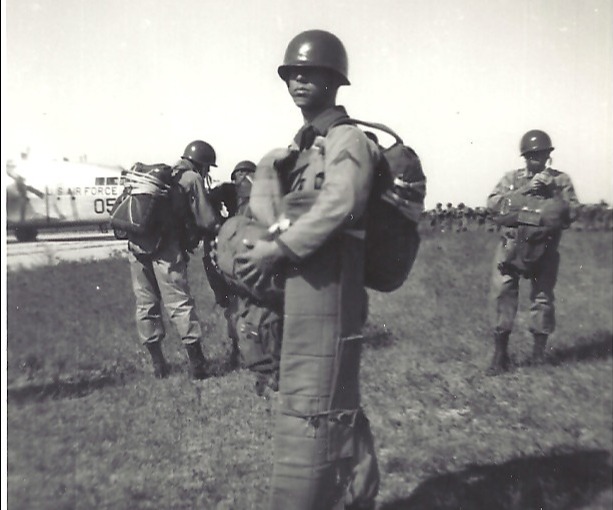
82nd Airborne • U.S. Army • 1954
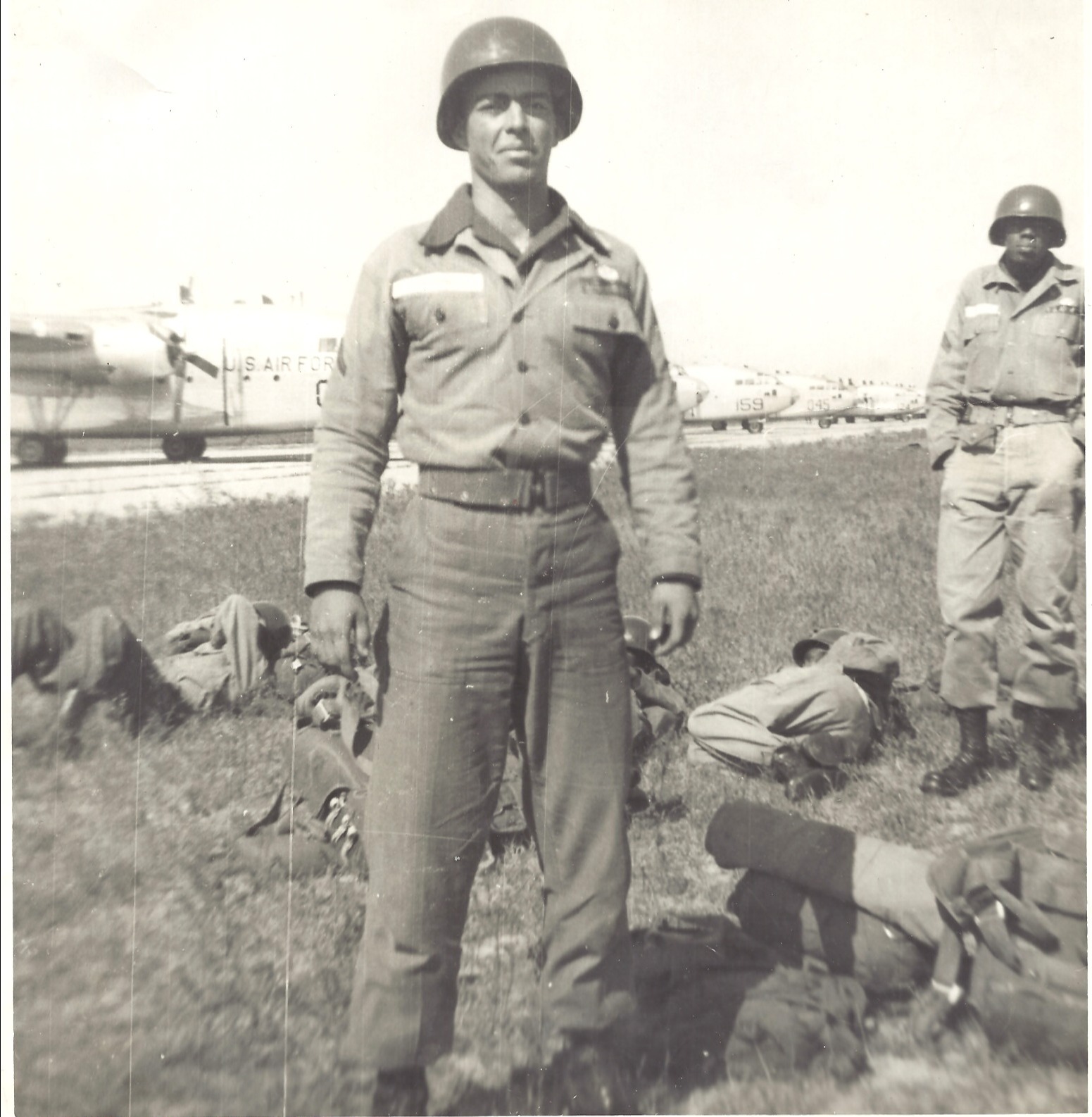
82nd Airborne • U.S. Army • 1954