
Opening branch overview
Building the branch home surface
Loading branch highlights, featured unit context, and gallery moments.
Overview
Members
Units
Building the branch home surface
Loading branch highlights, featured unit context, and gallery moments.
Building the branch units surface
Loading unit filters, rankings, and the branch unit grid.

2 members•1 unit
Relive and share the memories of your service-time with your brothers and sisters in arms today. VetFriends.com can help you reconnect.
Did you proudly serve in the USMLM?
Are you looking for someone who is or was in the USMLM?
Do you have USMLM photos you'd like to share?
Then join a community with your brothers and sisters of the USMLM.
Branch
U.S. Army
Members
2
The United States Military Liaison Mission (USMLM) was established in 1947 as part of the agreements between Allied powers to maintain military liaison missions in post-World War II Germany. Operating primarily in East Germany, USMLM’s primary mission was to facilitate communication between U.S. and Soviet military authorities, but it also conducted intelligence-gathering activities by observing Soviet and East German military forces. Throughout the Cold War, USMLM personnel provided valuable insight into Warsaw Pact capabilities and intentions, often at significant personal risk. The mission continued until 1990, when the reunification of Germany and the end of the Cold War rendered its role obsolete.
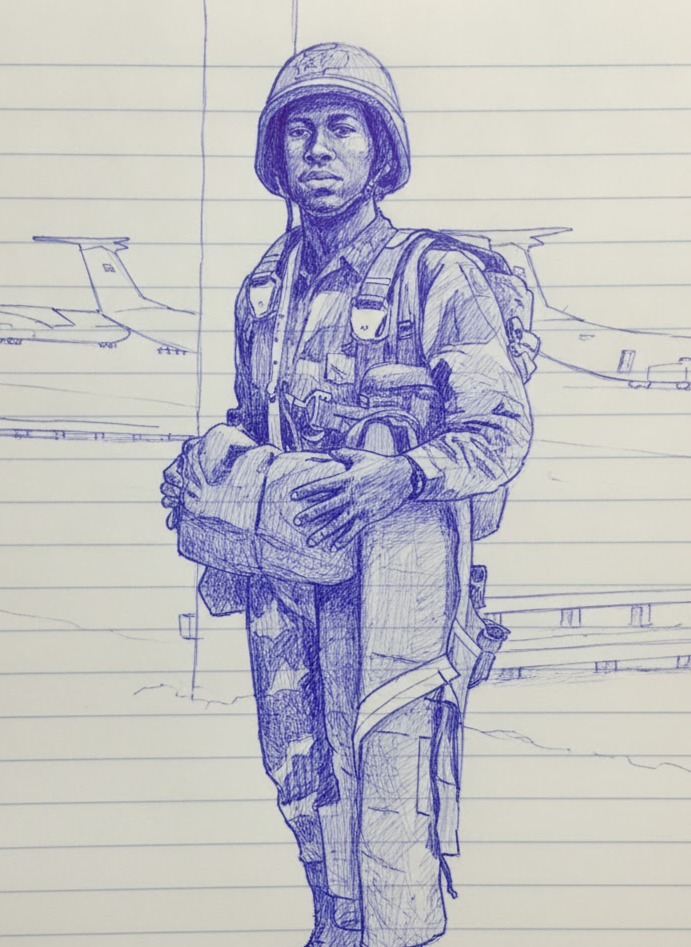
313 MI Battalion • U.S. Army • 1990
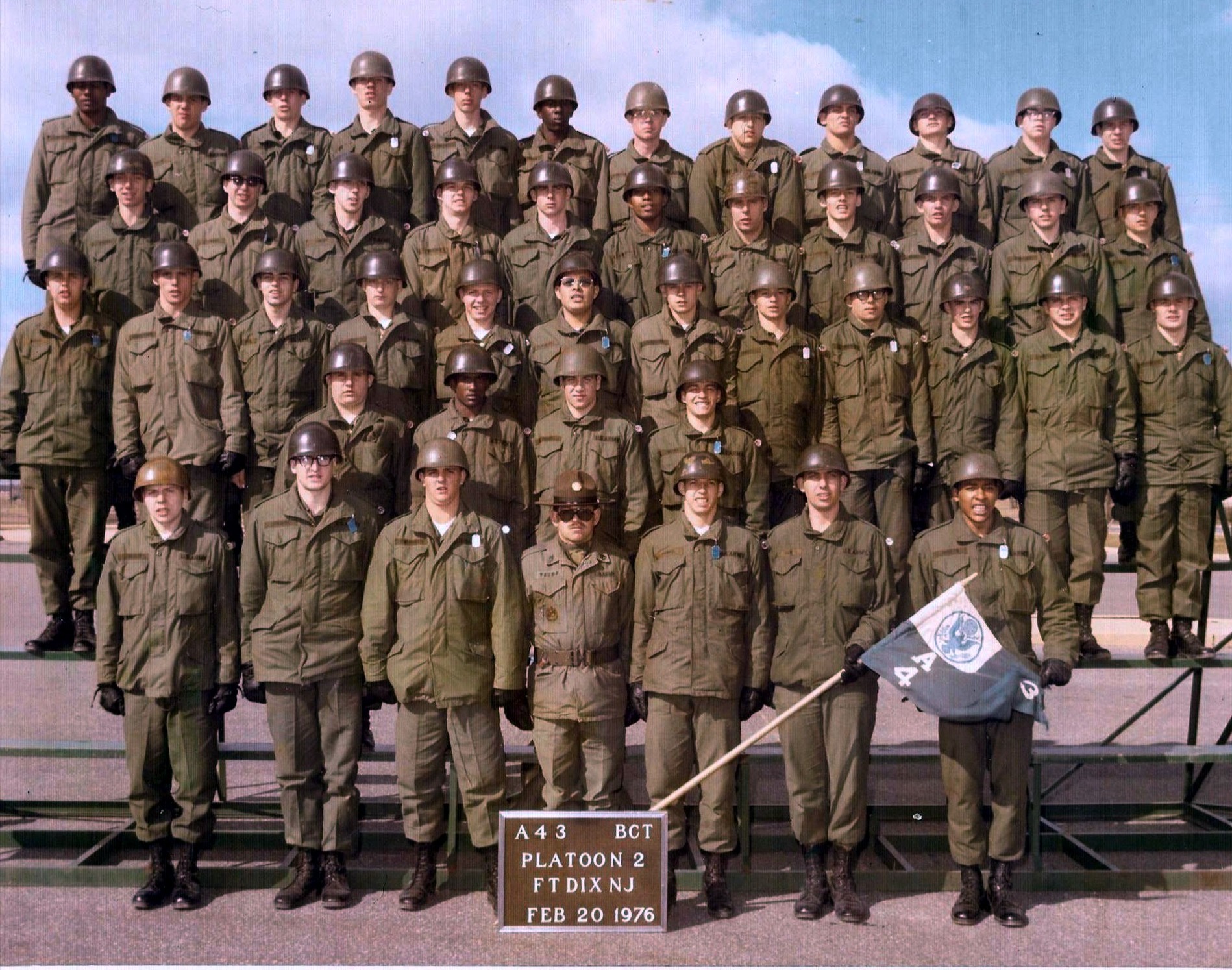
A-4-3 • U.S. Army • 1976
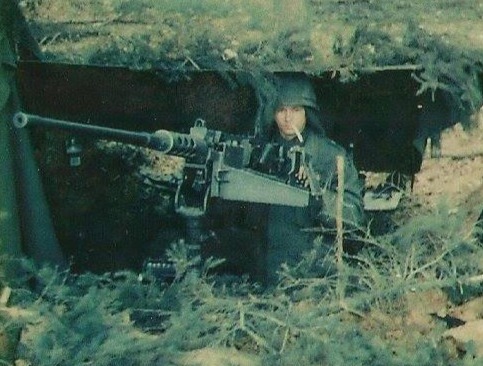
D co 317th Combat Engineers 130th Brigade • U.S. Army • 1976
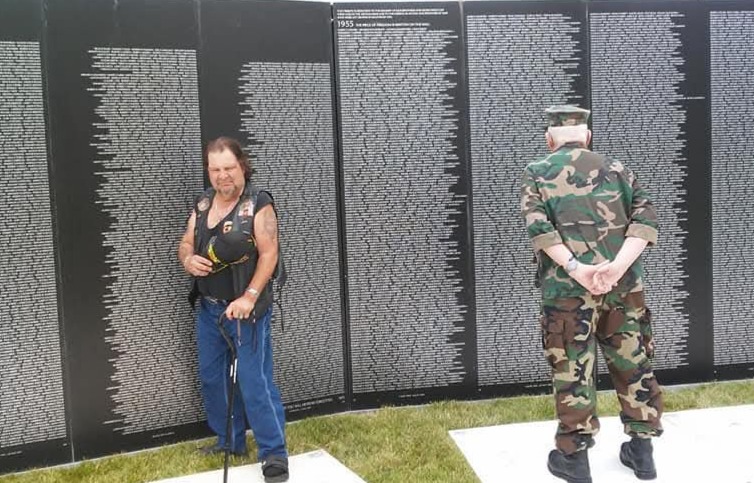
101st Airborne Div. • U.S. Army • 1972