
Opening branch overview
Building the branch home surface
Loading branch highlights, featured unit context, and gallery moments.
Overview
Members
Units
Building the branch home surface
Loading branch highlights, featured unit context, and gallery moments.
Building the branch units surface
Loading unit filters, rankings, and the branch unit grid.

25 members•1 unit
Relive and share the memories of your service-time with your brothers and sisters in arms today. VetFriends.com can help you reconnect.
Did you proudly serve in the USASTRATCOM LONG LINES BATTALION NORTH?
Are you looking for someone who is or was in the USASTRATCOM LONG LINES BATTALION NORTH?
Do you have USASTRATCOM LONG LINES BATTALION NORTH photos you'd like to share?
Then join a community with your brothers and sisters of the USASTRATCOM LONG LINES BATTALION NORTH.
Branch
U.S. Army
Members
25
The USASTRATCOM Long Lines Battalion North was a specialized communications unit within the United States Army Strategic Communications Command (USASTRATCOM) during the Cold War era. Activated in the 1960s, the battalion was tasked with operating and maintaining long-haul communications infrastructure across northern regions, including vital microwave and cable systems that supported command and control links between strategic sites. Its personnel played a key role in ensuring secure and reliable communications for both nuclear deterrence and conventional military operations. The battalion was eventually deactivated as advances in satellite and digital communications rendered many of its legacy systems obsolete.
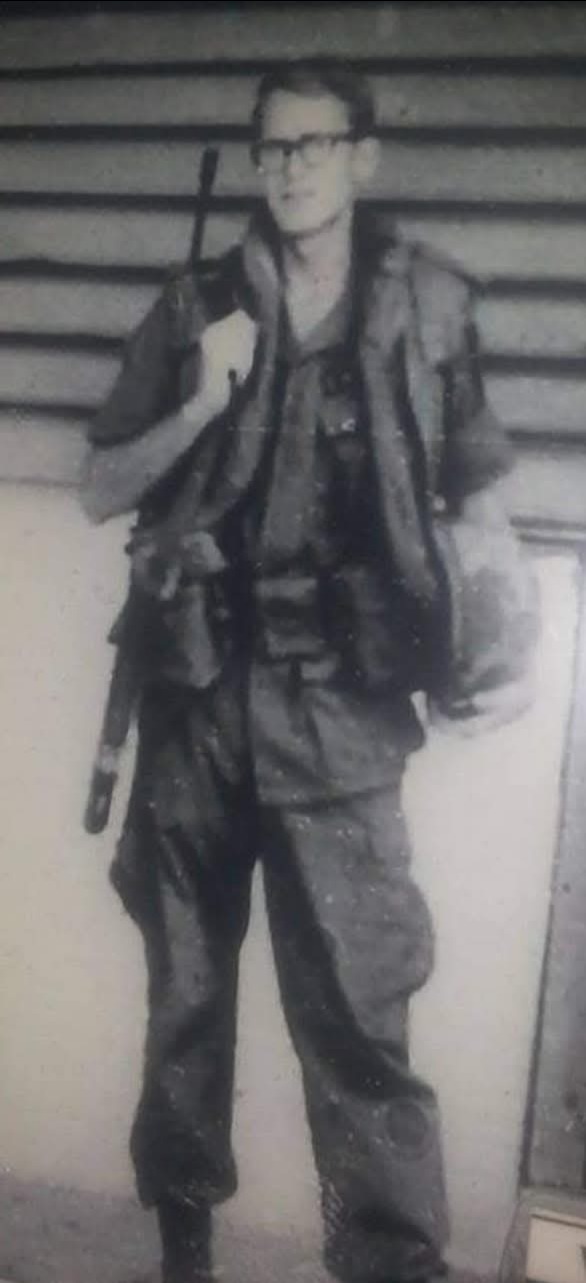
11TH COMBAT AVIATION BATTALION • U.S. Army • 1969
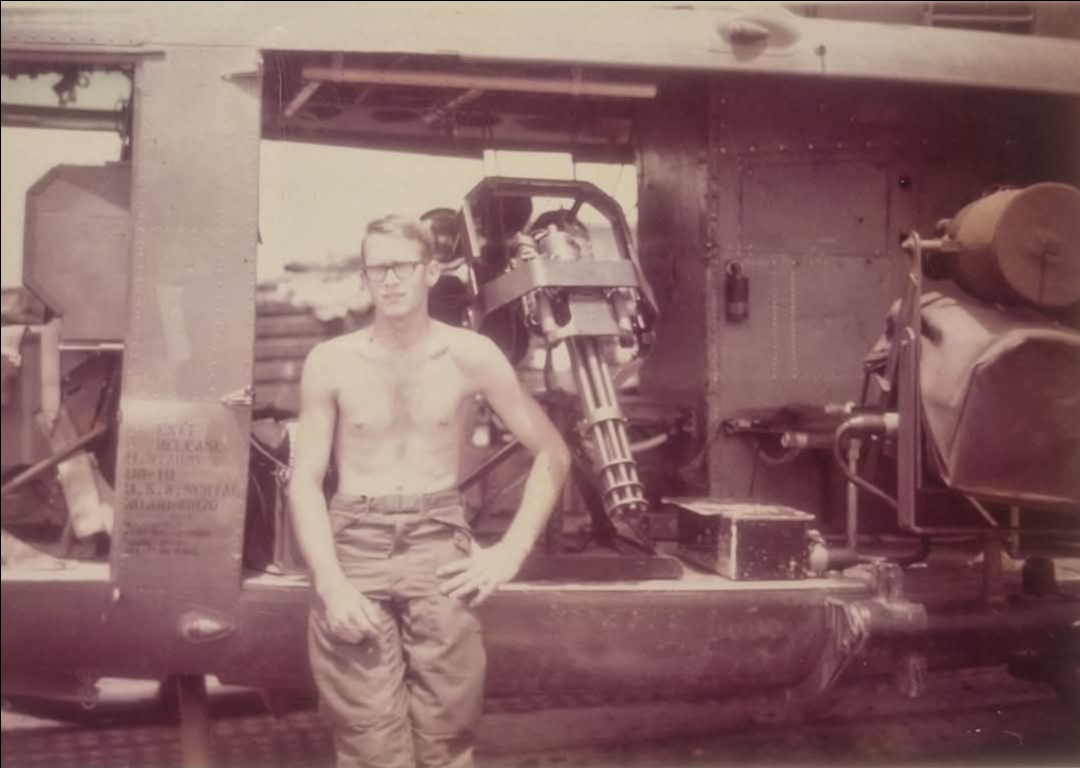
128th Assault Helicopter Co, 1st Av • U.S. Army • 1970
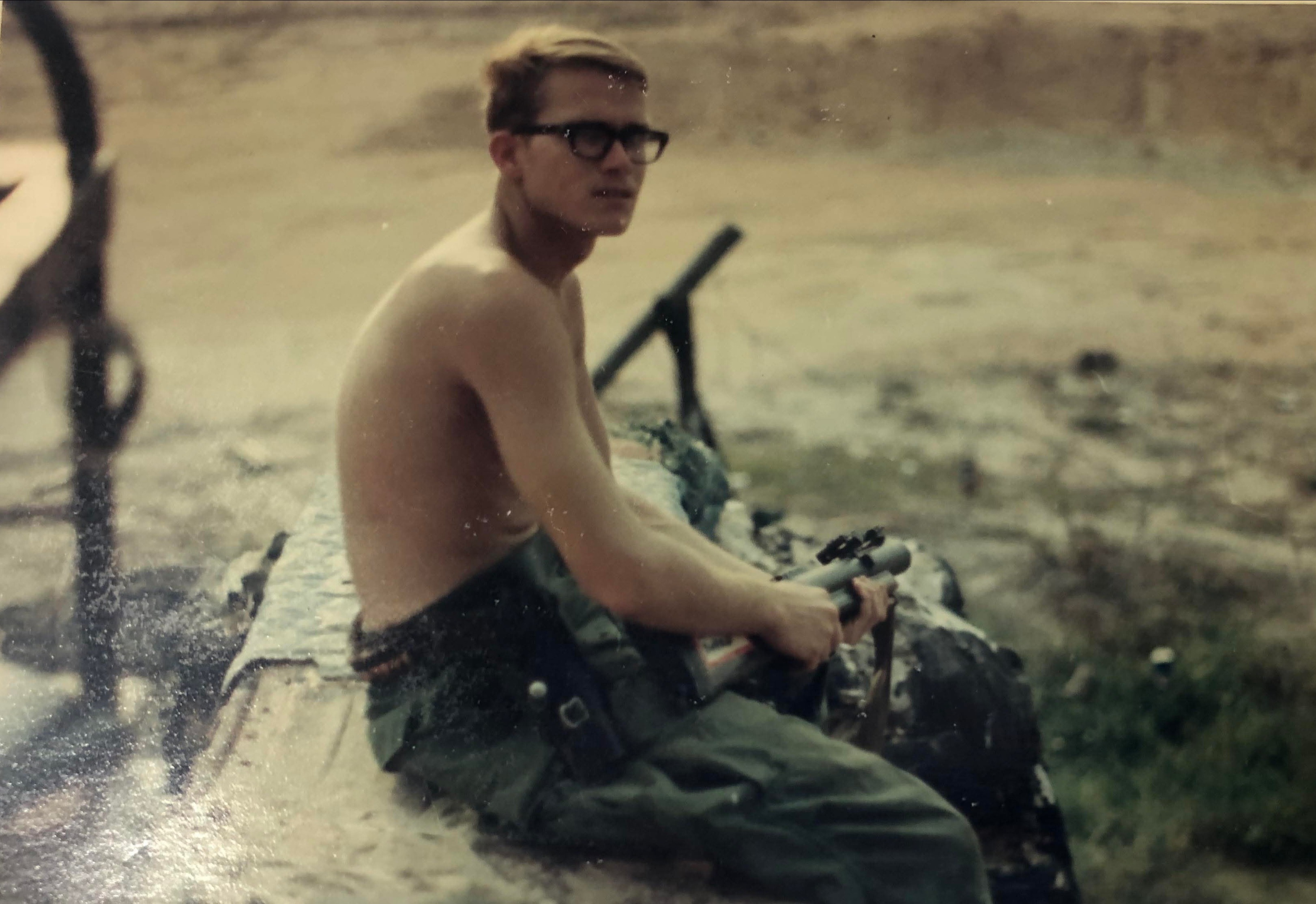
128th Assault Helicopter Co, 1st Av • U.S. Army • 1970
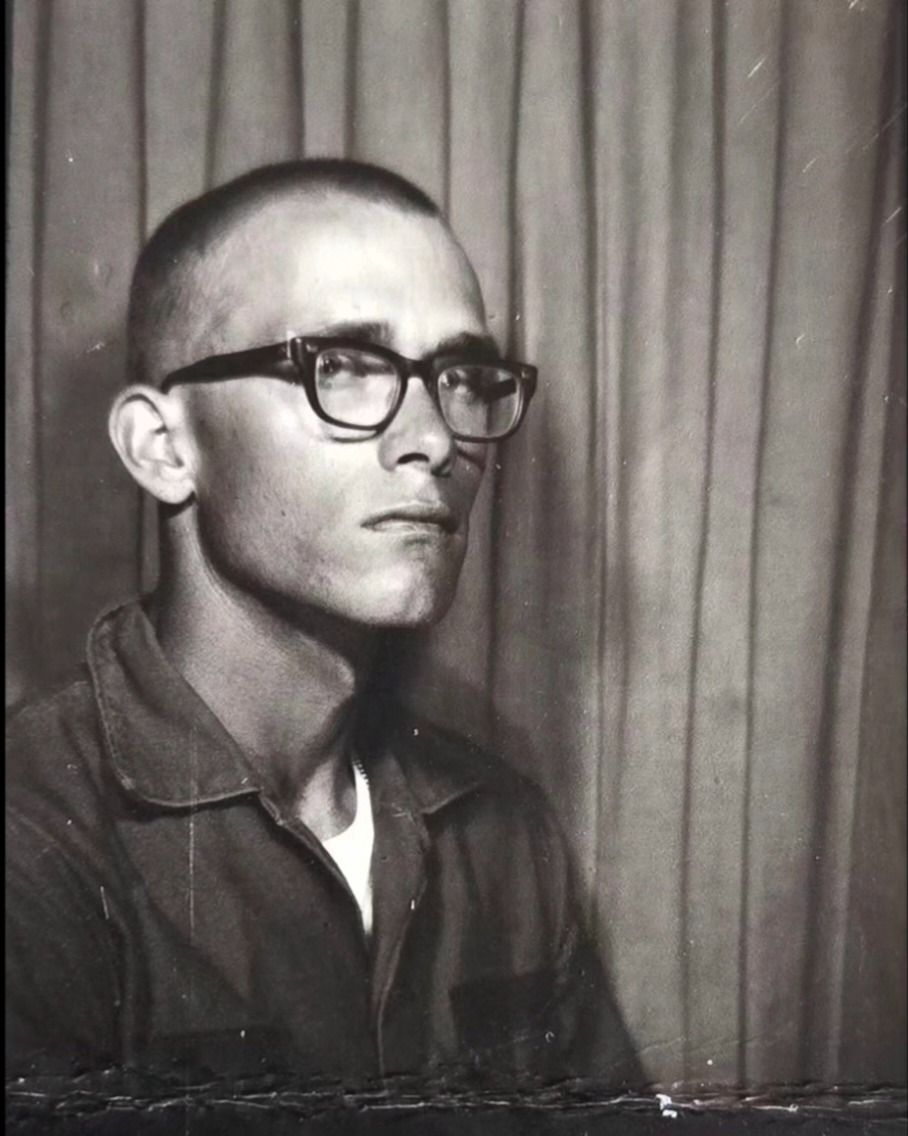
ARMY BASIC- FT. LEONARD WOOD, MO • U.S. Army • 1969