
Opening branch overview
Building the branch home surface
Loading branch highlights, featured unit context, and gallery moments.
Overview
Members
Units
Building the branch home surface
Loading branch highlights, featured unit context, and gallery moments.
Building the branch units surface
Loading unit filters, rankings, and the branch unit grid.

U.S. Army•25 members
Relive and share the memories of your service-time with your brothers and sisters in arms today. VetFriends.com can help you reconnect.
Did you proudly serve in the USASSG ACSI DA?
Are you looking for someone who is or was in the USASSG ACSI DA?
Do you have USASSG ACSI DA photos you'd like to share?
Then join a community with your brothers and sisters of the USASSG ACSI DA.
The USASSG ACSI DA refers to the United States Army Security Support Group, operating under the Assistant Chief of Staff for Intelligence, Department of the Army. Established during the Cold War, this unit played a critical role in military intelligence, signals collection, and cryptologic support for Army operations. USASSG ACSI DA facilitated coordination between Army intelligence elements and national-level agencies, enhancing the Army’s ability to respond to global threats. Over time, the unit’s functions were integrated into broader Army intelligence organizations as part of the evolution of U.S. military intelligence capabilities.
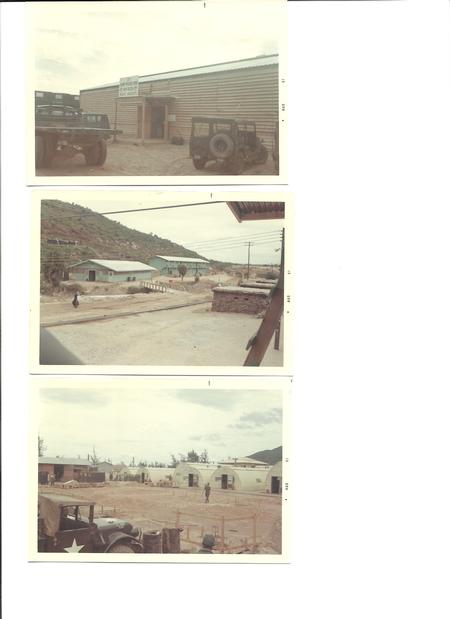
1st APU • U.S. Army • 1967