
Opening branch overview
Building the branch home surface
Loading branch highlights, featured unit context, and gallery moments.
Overview
Members
Units
Building the branch home surface
Loading branch highlights, featured unit context, and gallery moments.
Building the branch units surface
Loading unit filters, rankings, and the branch unit grid.

U.S. Army•127 members
Relive and share the memories of your service-time with your brothers and sisters in arms today. VetFriends.com can help you reconnect.
Did you proudly serve in the USARV?
Are you looking for someone who is or was in the USARV?
Do you have USARV photos you'd like to share?
Then join a community with your brothers and sisters of the USARV.
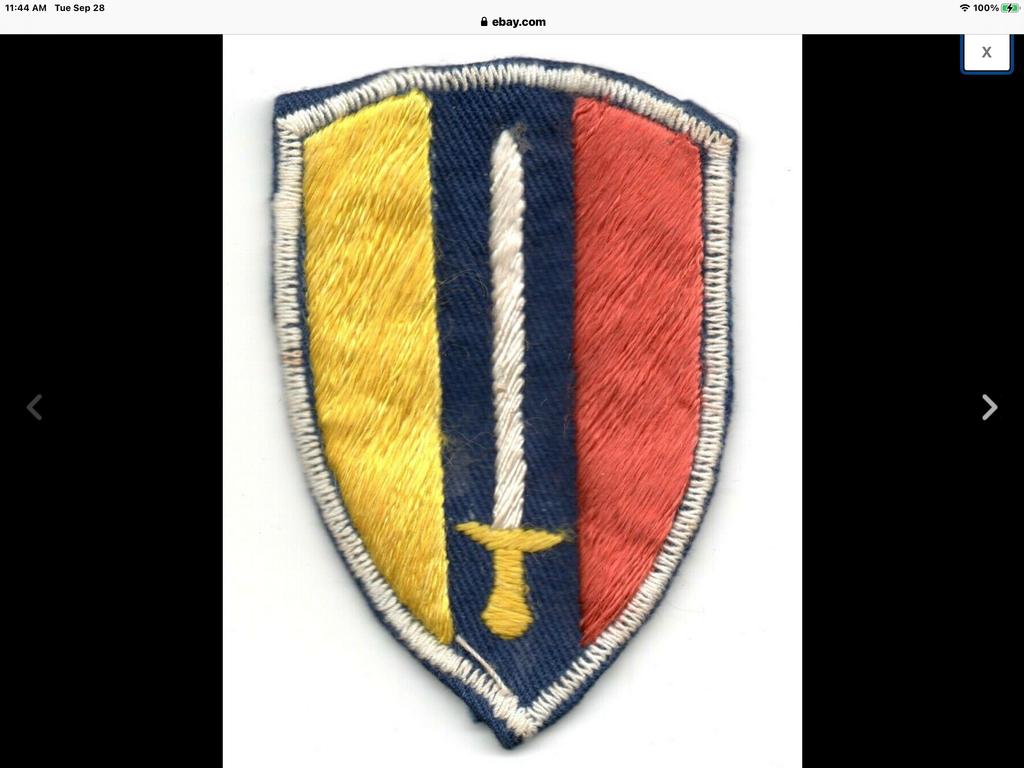
The United States Army, Vietnam (USARV) was established in 1966 as the Army component command of the United States Military Assistance Command, Vietnam (MACV). Its primary mission was to provide command and logistical support to all U.S. Army forces serving in the Republic of Vietnam during the Vietnam War. Headquartered at Long Binh, USARV managed combat operations, training, and supply lines, overseeing tens of thousands of soldiers at the peak of American involvement. The command was inactivated in March 1973 as U.S. forces withdrew, marking the end of major Army operations in Vietnam.
U.S. Army