
Opening branch overview
Building the branch home surface
Loading branch highlights, featured unit context, and gallery moments.
Overview
Members
Units
Building the branch home surface
Loading branch highlights, featured unit context, and gallery moments.
Building the branch units surface
Loading unit filters, rankings, and the branch unit grid.

17 members•1 unit
Relive and share the memories of your service-time with your brothers and sisters in arms today. VetFriends.com can help you reconnect.
Did you proudly serve in the USARPAC : Vietnam?
Are you looking for someone who is or was in the USARPAC : Vietnam?
Do you have USARPAC : Vietnam photos you'd like to share?
Then join a community with your brothers and sisters of the USARPAC : Vietnam.
Branch
U.S. Army
Members
17
The United States Army Pacific (USARPAC) played a significant role during the Vietnam War, primarily through its oversight of logistics, command, and support to U.S. Army forces deployed in Southeast Asia. Established as a major Army command in the Pacific region, USARPAC coordinated the deployment and sustainment of troops, equipment, and supplies from bases in Hawaii and other Pacific locations to Vietnam. Throughout the conflict, USARPAC facilitated large-scale troop movements, managed replacements, and ensured operational readiness for combat units engaged in Vietnam. Its efforts were crucial to maintaining the Army's ability to conduct sustained operations during the Vietnam War from the early 1960s until the U.S. withdrawal in 1973.
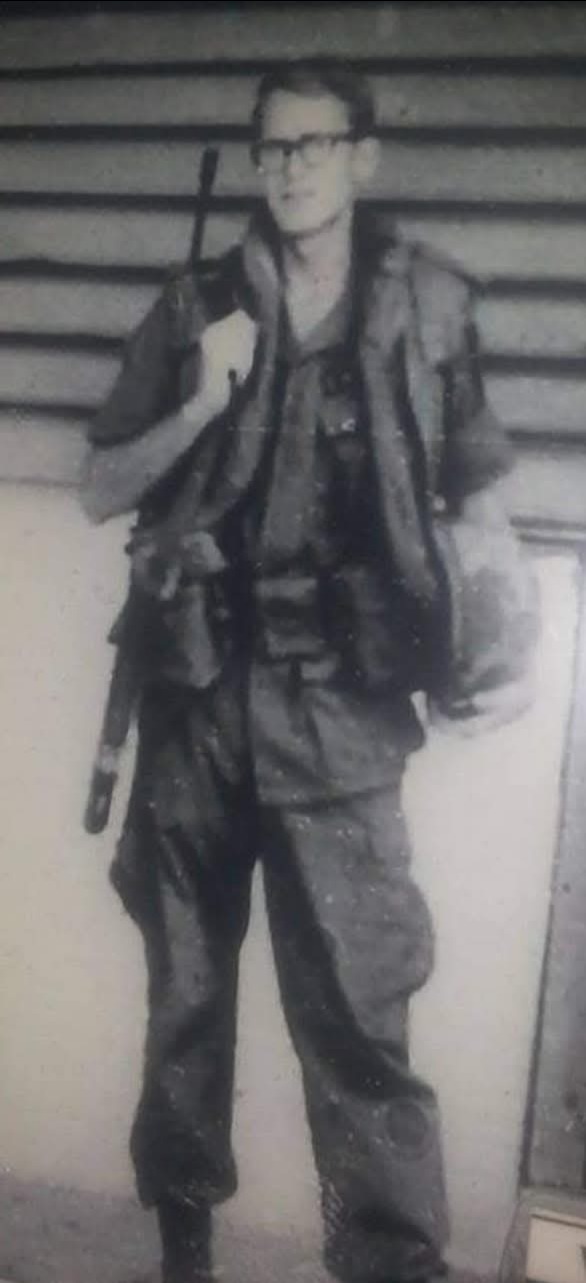
11TH COMBAT AVIATION BATTALION • U.S. Army • 1969
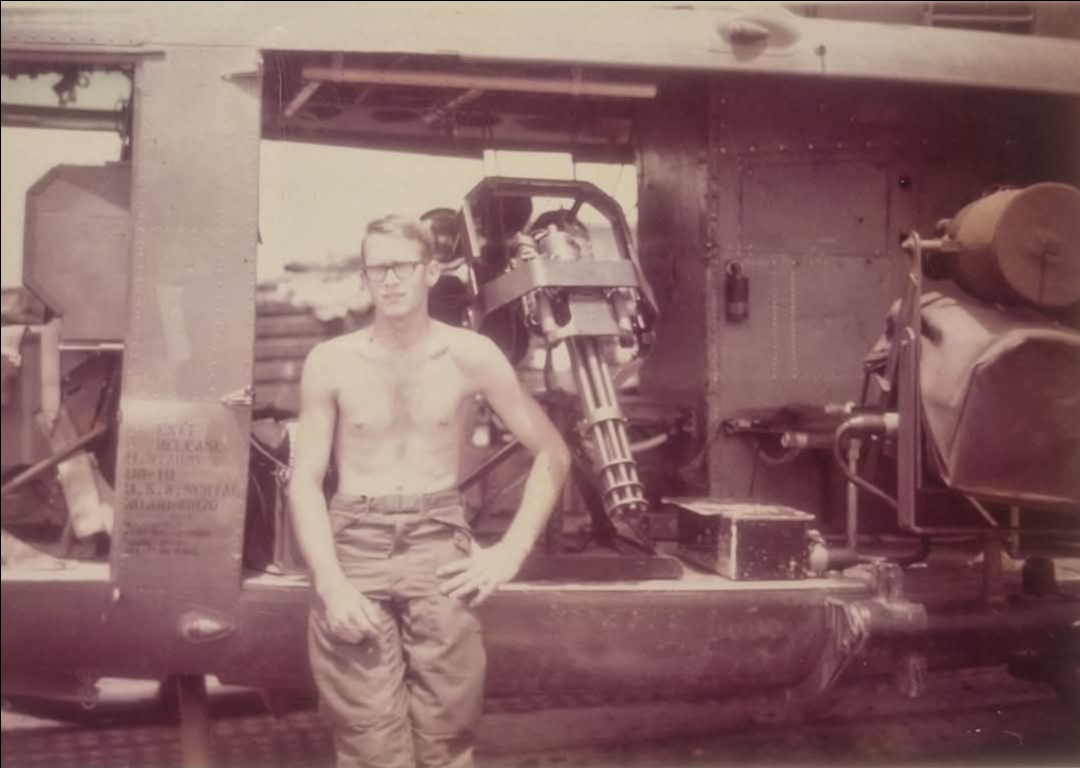
128th Assault Helicopter Co, 1st Av • U.S. Army • 1970
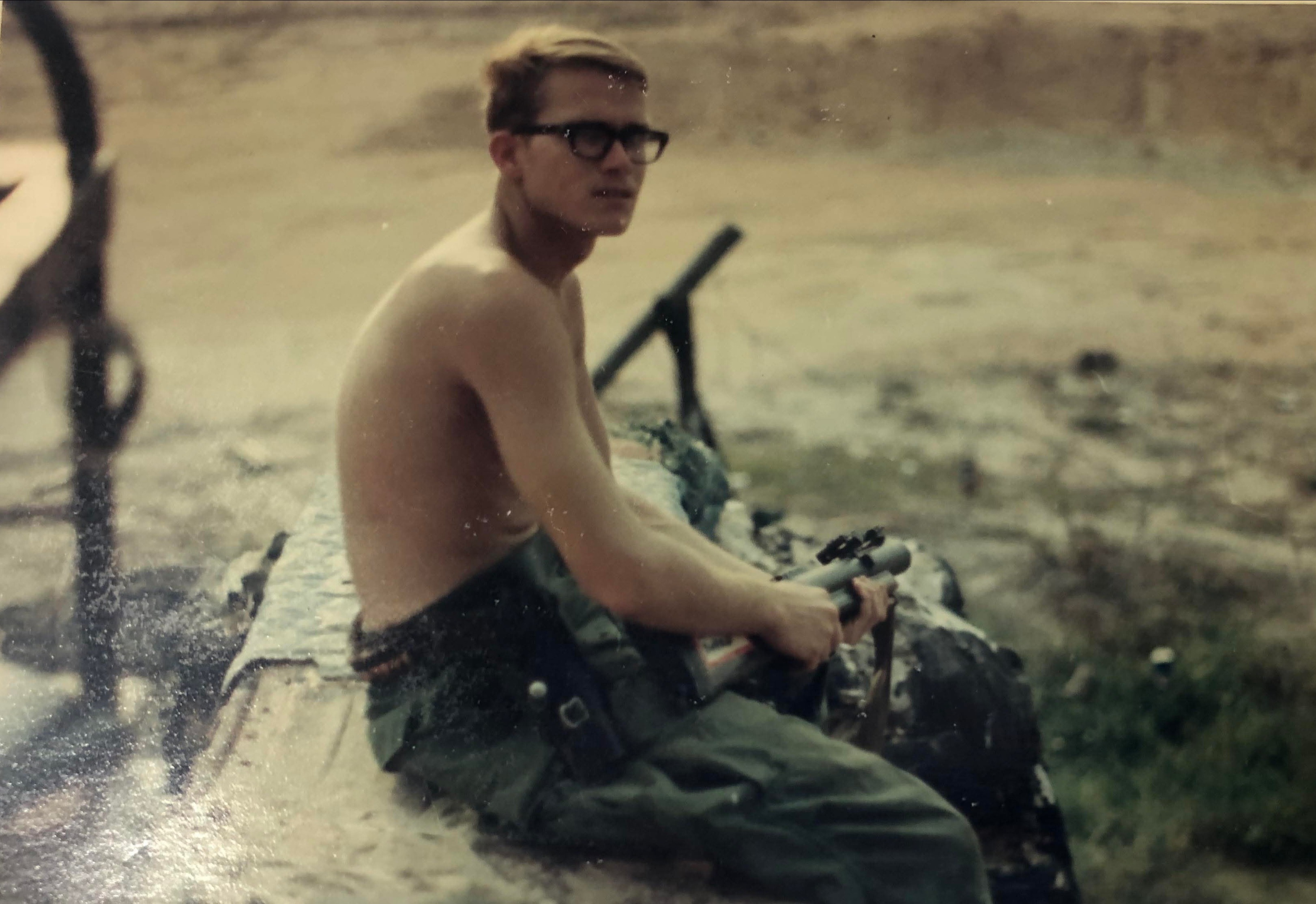
128th Assault Helicopter Co, 1st Av • U.S. Army • 1970
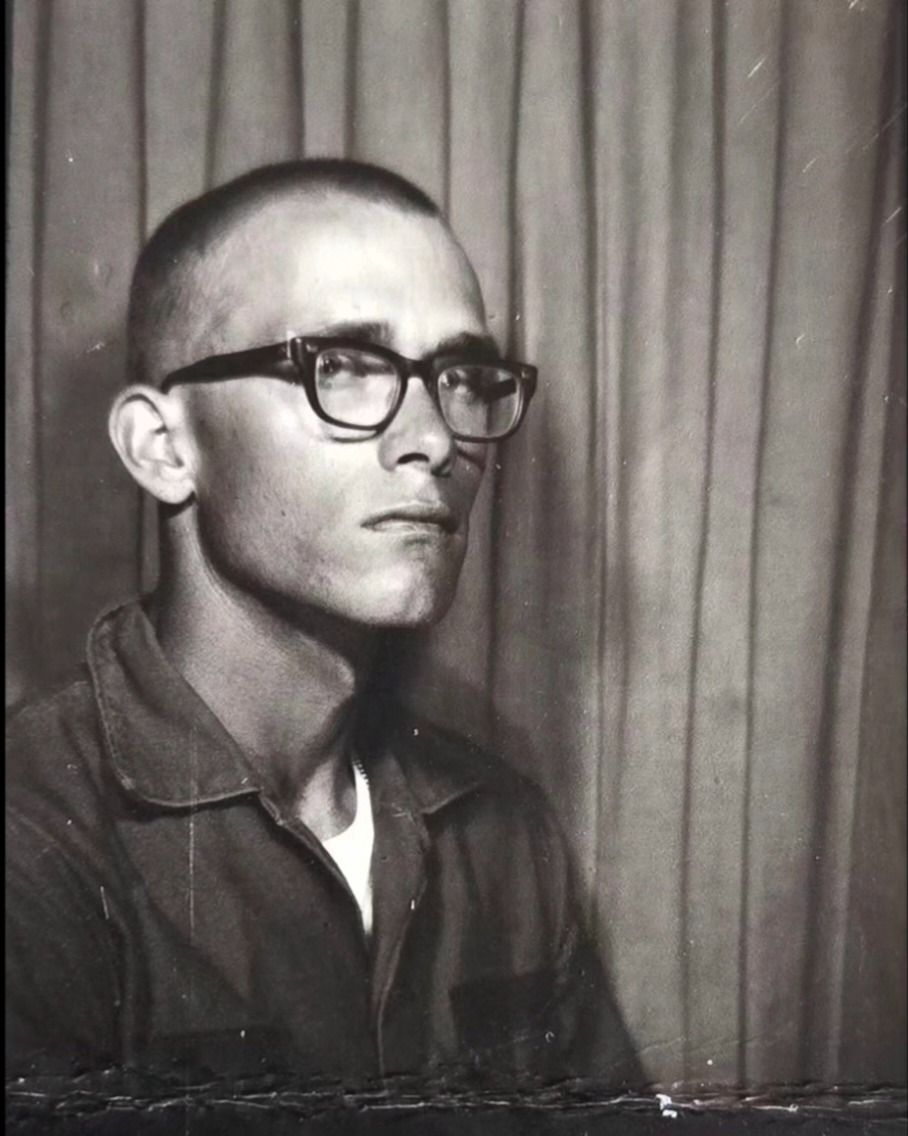
ARMY BASIC- FT. LEONARD WOOD, MO • U.S. Army • 1969