
Opening branch overview
Building the branch home surface
Loading branch highlights, featured unit context, and gallery moments.
Overview
Members
Units
Building the branch home surface
Loading branch highlights, featured unit context, and gallery moments.
Building the branch units surface
Loading unit filters, rankings, and the branch unit grid.

U.S. Army•34 members
Relive and share the memories of your service-time with your brothers and sisters in arms today. VetFriends.com can help you reconnect.
Did you proudly serve in the USARPAC 8TH ARMY?
Are you looking for someone who is or was in the USARPAC 8TH ARMY?
Do you have USARPAC 8TH ARMY photos you'd like to share?
Then join a community with your brothers and sisters of the USARPAC 8TH ARMY.
The United States Army Pacific (USARPAC) and the Eighth Army (8th Army) are key components of the U.S. military presence in the Asia-Pacific region. Eighth Army was activated in 1944 during World War II and played a crucial role in the Pacific theater, later becoming the primary ground force during the Korean War. After the Korean War, the 8th Army remained in South Korea, where it continues to serve as a deterrent and support for the Republic of Korea. USARPAC, headquartered in Hawaii, oversees Army forces in the Pacific, providing strategic leadership and operational support, with the Eighth Army as one of its major subordinate commands.
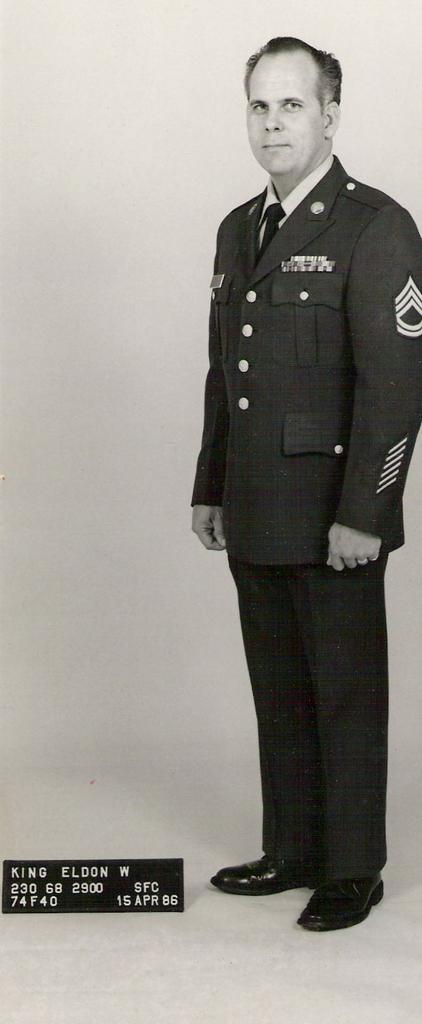
U.S. Army
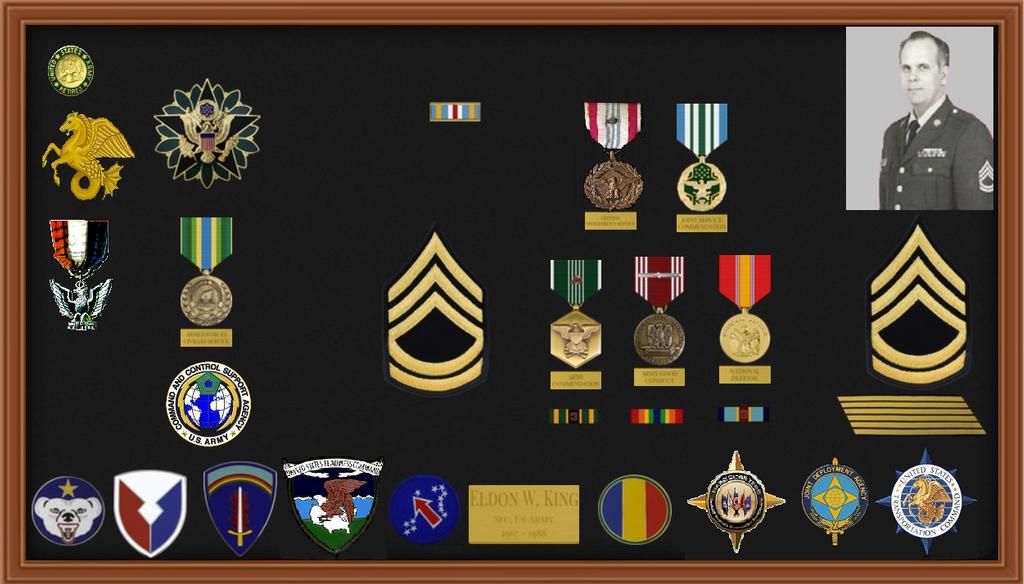
U.S. Army
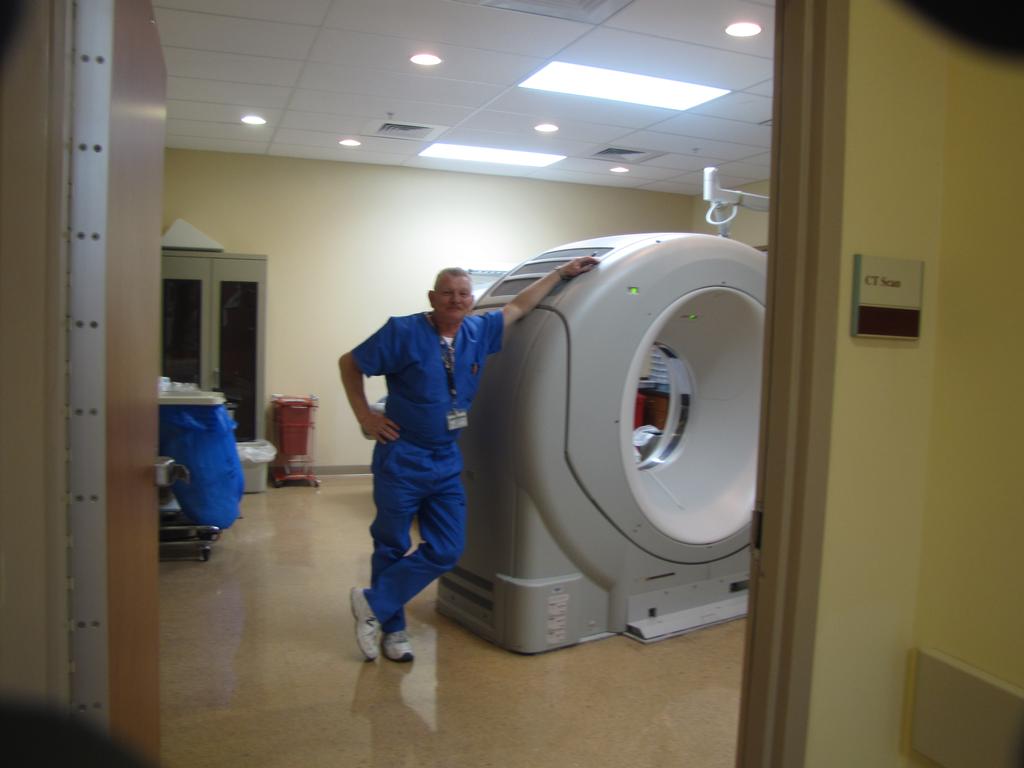
U.S. Army
U.S. Army