
Opening branch overview
Building the branch home surface
Loading branch highlights, featured unit context, and gallery moments.
Overview
Members
Units
Building the branch home surface
Loading branch highlights, featured unit context, and gallery moments.
Building the branch units surface
Loading unit filters, rankings, and the branch unit grid.

39 members•1 unit
Relive and share the memories of your service-time with your brothers and sisters in arms today. VetFriends.com can help you reconnect.
Did you proudly serve in the USAREUR Signal Corps?
Are you looking for someone who is or was in the USAREUR Signal Corps?
Do you have USAREUR Signal Corps photos you'd like to share?
Then join a community with your brothers and sisters of the USAREUR Signal Corps.
Branch
U.S. Army
Members
39
The USAREUR Signal Corps traces its origins to the end of World War II, providing critical communications support for the United States Army Europe (USAREUR). Established to ensure secure and reliable transmission of information across the European theater, the Corps played a pivotal role during the Cold War, maintaining communication lines between NATO allies and US forces. Throughout the decades, the unit adapted to technological advancements, transitioning from traditional radio and wire systems to advanced digital and satellite communications. Today, the USAREUR Signal Corps continues its mission by supporting operations, exercises, and joint missions across Europe, ensuring robust command and control capabilities for US and allied forces.
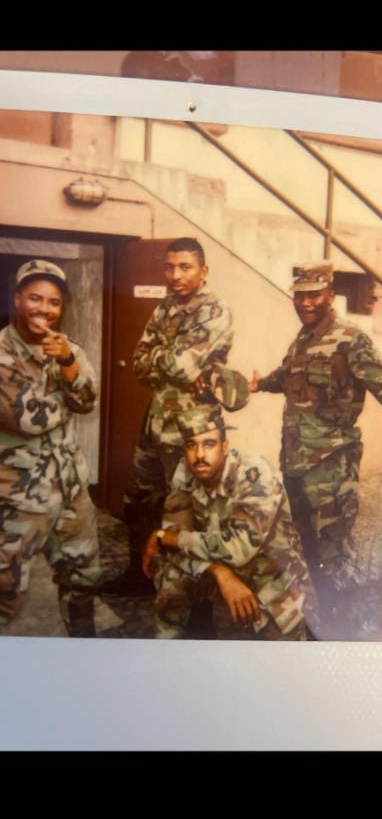
9th Engineer Batallion • U.S. Army
U.S. Army
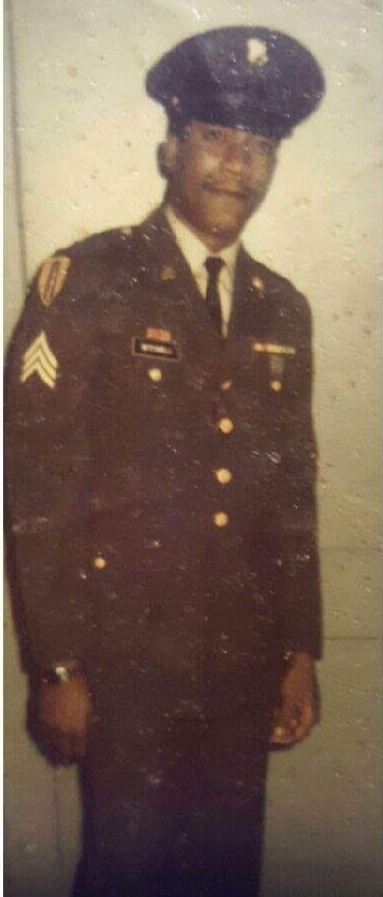
278 Signal Corp • U.S. Army
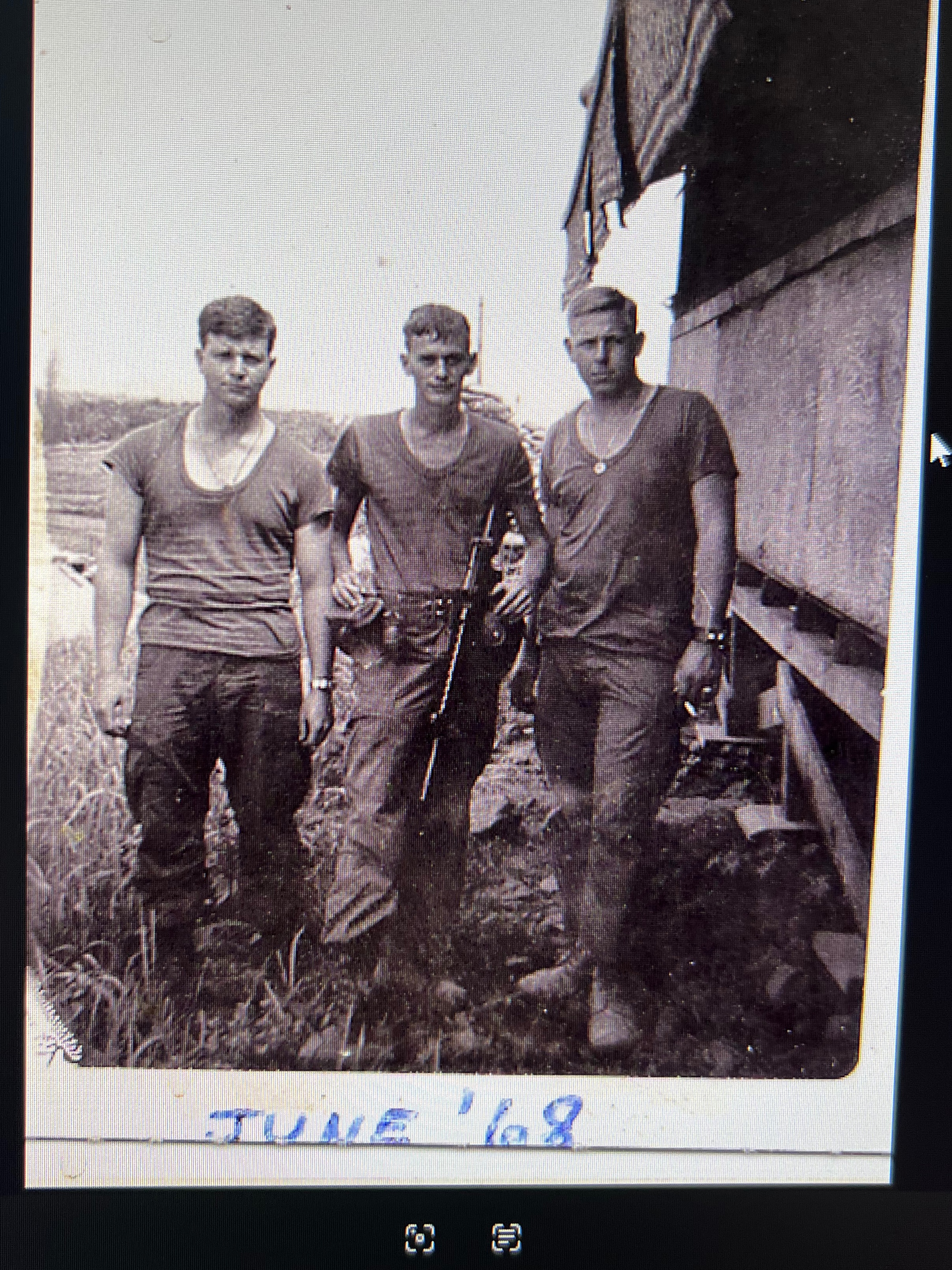
11th light infantry • U.S. Army • 1968