
Opening branch overview
Building the branch home surface
Loading branch highlights, featured unit context, and gallery moments.
Overview
Members
Units
Building the branch home surface
Loading branch highlights, featured unit context, and gallery moments.
Building the branch units surface
Loading unit filters, rankings, and the branch unit grid.

37 members•1 unit
Relive and share the memories of your service-time with your brothers and sisters in arms today. VetFriends.com can help you reconnect.
Did you proudly serve in the USARAL Medical?
Are you looking for someone who is or was in the USARAL Medical?
Do you have USARAL Medical photos you'd like to share?
Then join a community with your brothers and sisters of the USARAL Medical.
Branch
U.S. Army
Members
37
The USARAL Medical unit was a key component of the United States Army Alaska (USARAL), established in the wake of World War II as American forces assumed defense responsibilities in the territory. Formed in 1947, USARAL Medical provided comprehensive medical support to soldiers stationed in the challenging and remote Alaskan environment, including cold weather medicine, routine care, and emergency response. Throughout the Cold War, the unit played a crucial role in maintaining troop readiness and supporting joint exercises with allied forces. USARAL Medical’s legacy continued until the reorganization of Army forces in Alaska in the 1970s, when its functions were absorbed into successor medical commands.
C/84th • U.S. Army
U.S. Army
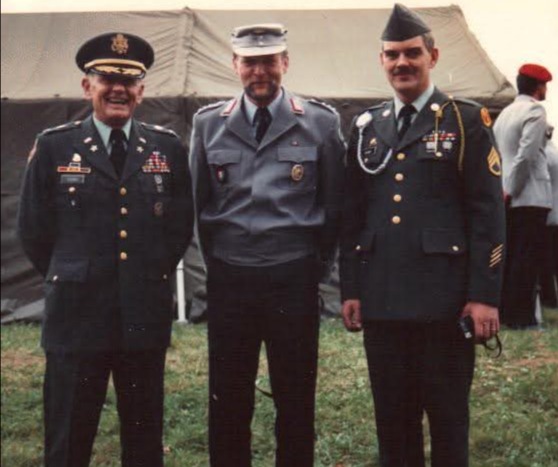
3/37th FA • U.S. Army
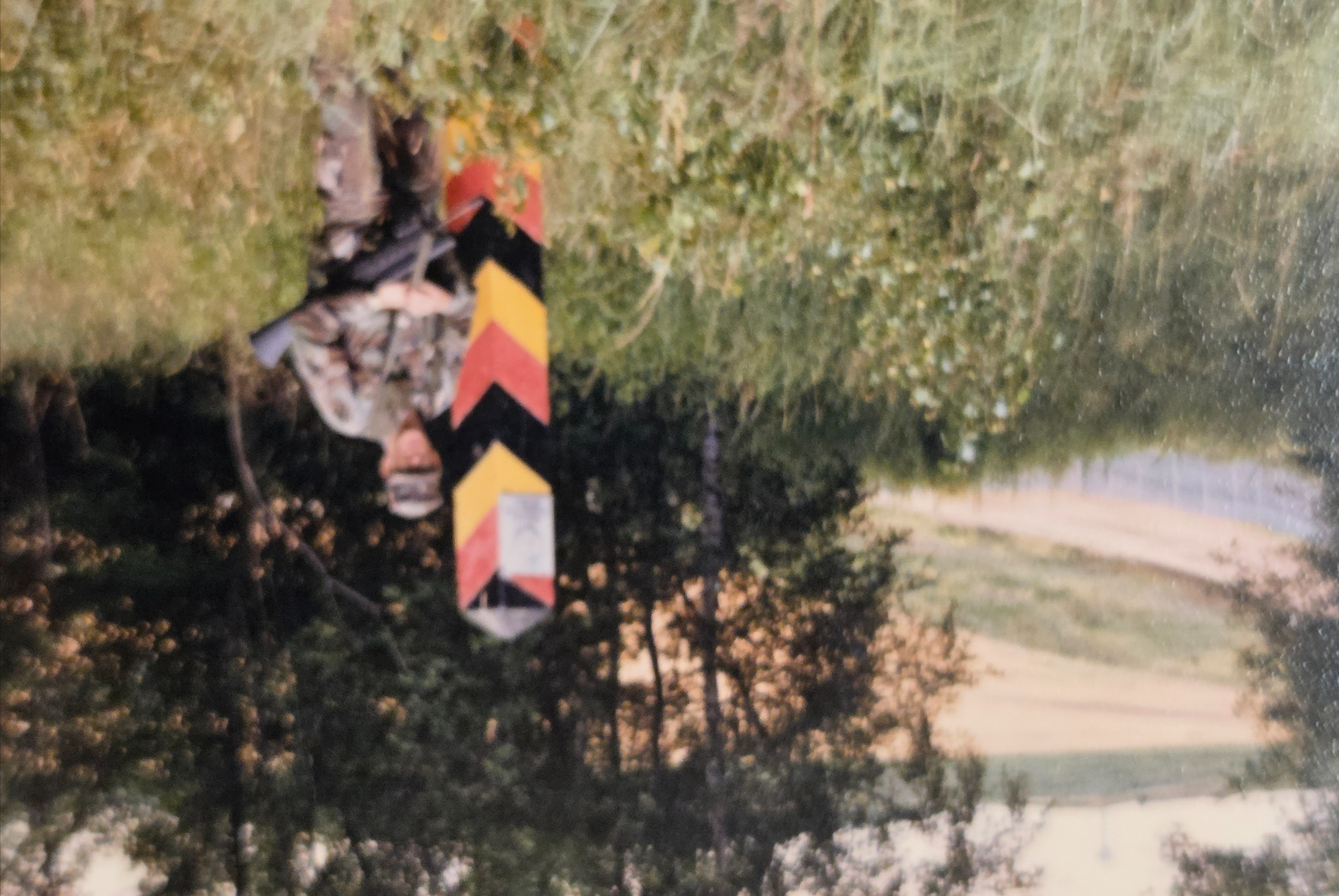
103rd MI Bn 3rd Infantry Division • U.S. Army • 1986