
Opening branch overview
Building the branch home surface
Loading branch highlights, featured unit context, and gallery moments.
Overview
Members
Units
Building the branch home surface
Loading branch highlights, featured unit context, and gallery moments.
Building the branch units surface
Loading unit filters, rankings, and the branch unit grid.

U.S. Army•5 members
Relive and share the memories of your service-time with your brothers and sisters in arms today. VetFriends.com can help you reconnect.
Did you proudly serve in the usar japan?
Are you looking for someone who is or was in the usar japan?
Do you have usar japan photos you'd like to share?
Then join a community with your brothers and sisters of the usar japan.
The United States Army Japan (USARJ) is a major command of the United States Army, headquartered at Camp Zama, Japan. Established in 1957, USARJ serves as the Army component of United States Forces Japan, providing command and control for Army forces stationed throughout the country. Its mission includes supporting bilateral defense agreements, coordinating joint and combined operations with the Japan Ground Self-Defense Force, and maintaining readiness for regional contingencies. Over the decades, USARJ has played a critical role in strengthening the U.S.-Japan alliance and promoting stability in the Indo-Pacific region.

U.S. Army
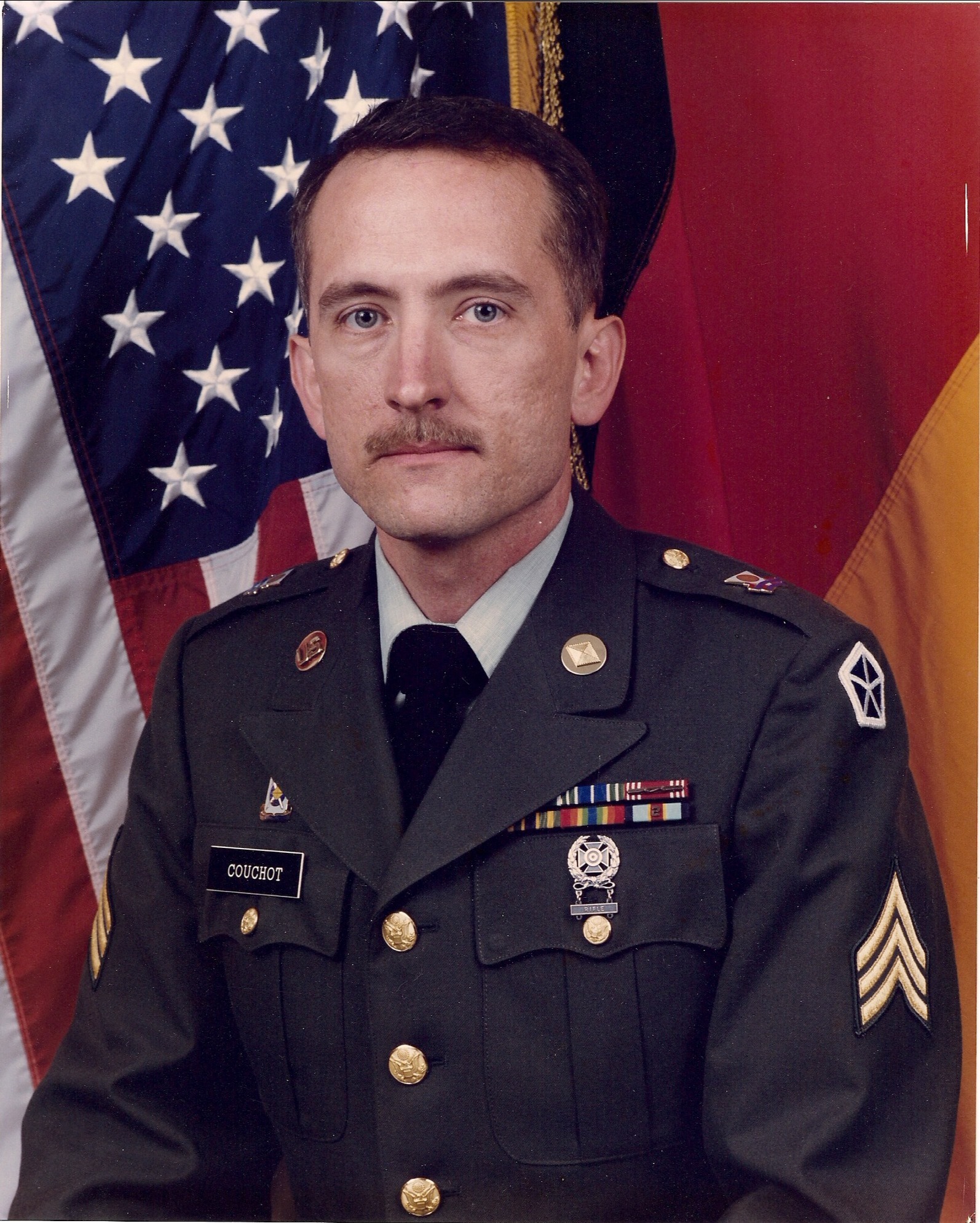
8th Finance • U.S. Army • 1990
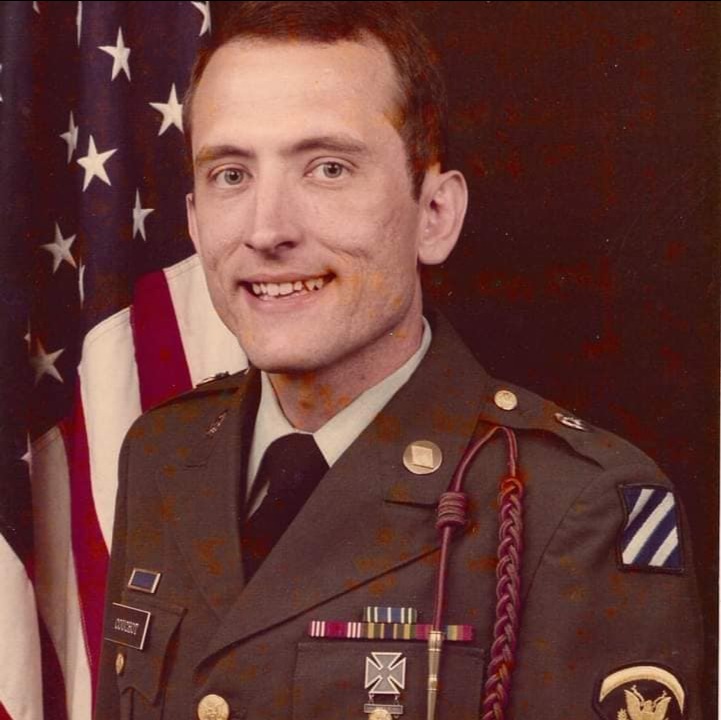
3RD FINANCE • U.S. Army • 1984
U.S. Army