
Opening branch overview
Building the branch home surface
Loading branch highlights, featured unit context, and gallery moments.
Overview
Members
Units
Building the branch home surface
Loading branch highlights, featured unit context, and gallery moments.
Building the branch units surface
Loading unit filters, rankings, and the branch unit grid.

1 members•1 unit
Relive and share the memories of your service-time with your brothers and sisters in arms today. VetFriends.com can help you reconnect.
Did you proudly serve in the USACRAPAC APO IN CALIFORNIA?
Are you looking for someone who is or was in the USACRAPAC APO IN CALIFORNIA?
Do you have USACRAPAC APO IN CALIFORNIA photos you'd like to share?
Then join a community with your brothers and sisters of the USACRAPAC APO IN CALIFORNIA.
Branch
U.S. Army
Members
1
USACRAPAC stands for United States Army Communications Region, Pacific, a signal and communications command under the broader U.S. Army Strategic Communications Command (STRATCOM) during the Cold War era. Headquartered at APO San Francisco, California (an Army Post Office address used for routing overseas mail), USACRAPAC oversaw vital communications infrastructure and operations across the Pacific theater. Its mission included maintaining secure and reliable communications for U.S. Army units stationed in locations such as Japan, Korea, Okinawa, the Philippines, and other Pacific bases. The unit played a crucial role in supporting command and control functions, especially during the Vietnam War, ensuring that information flowed efficiently between commanders and field units throughout the region.

U.S. Army
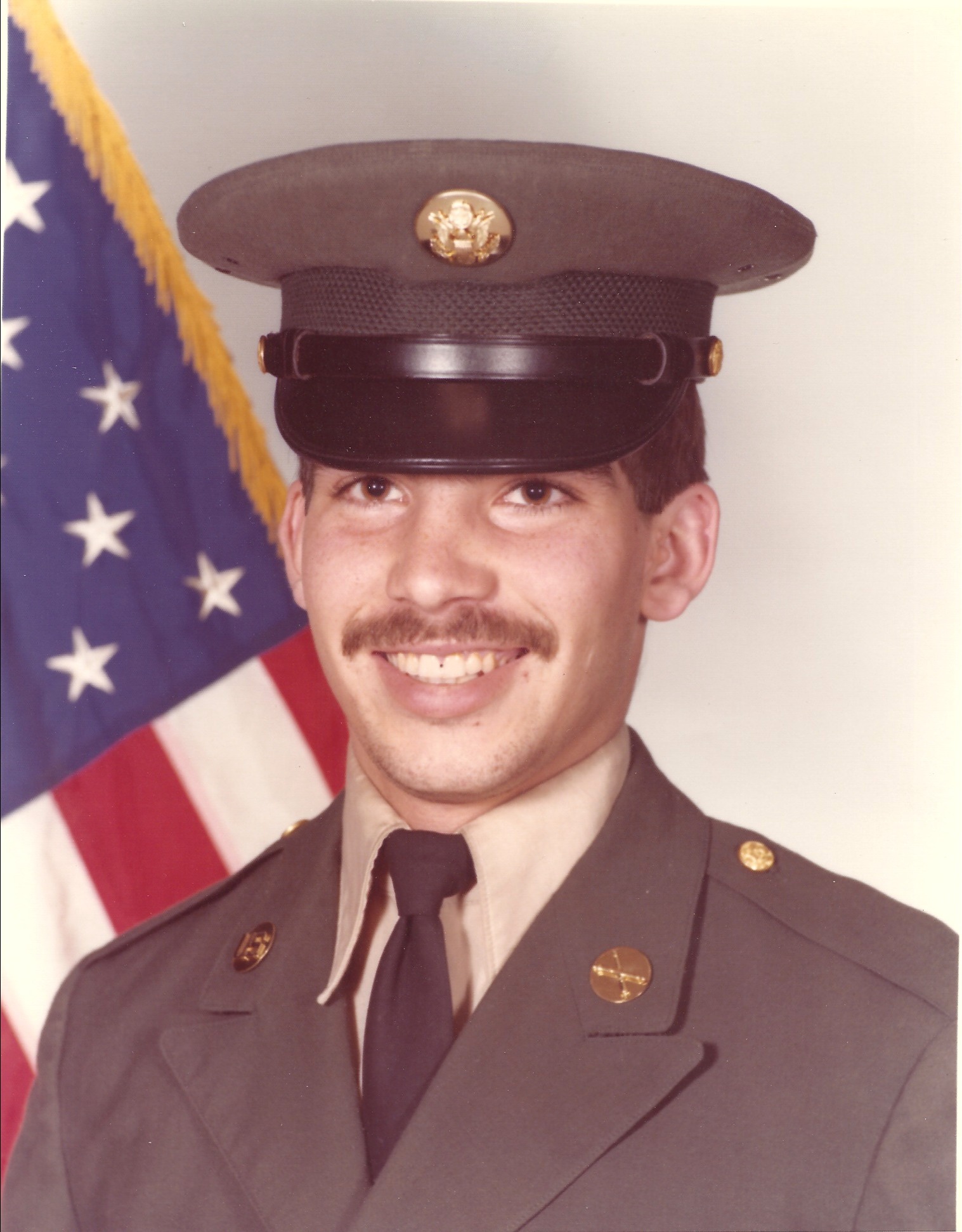
ARTILLERY • U.S. Army
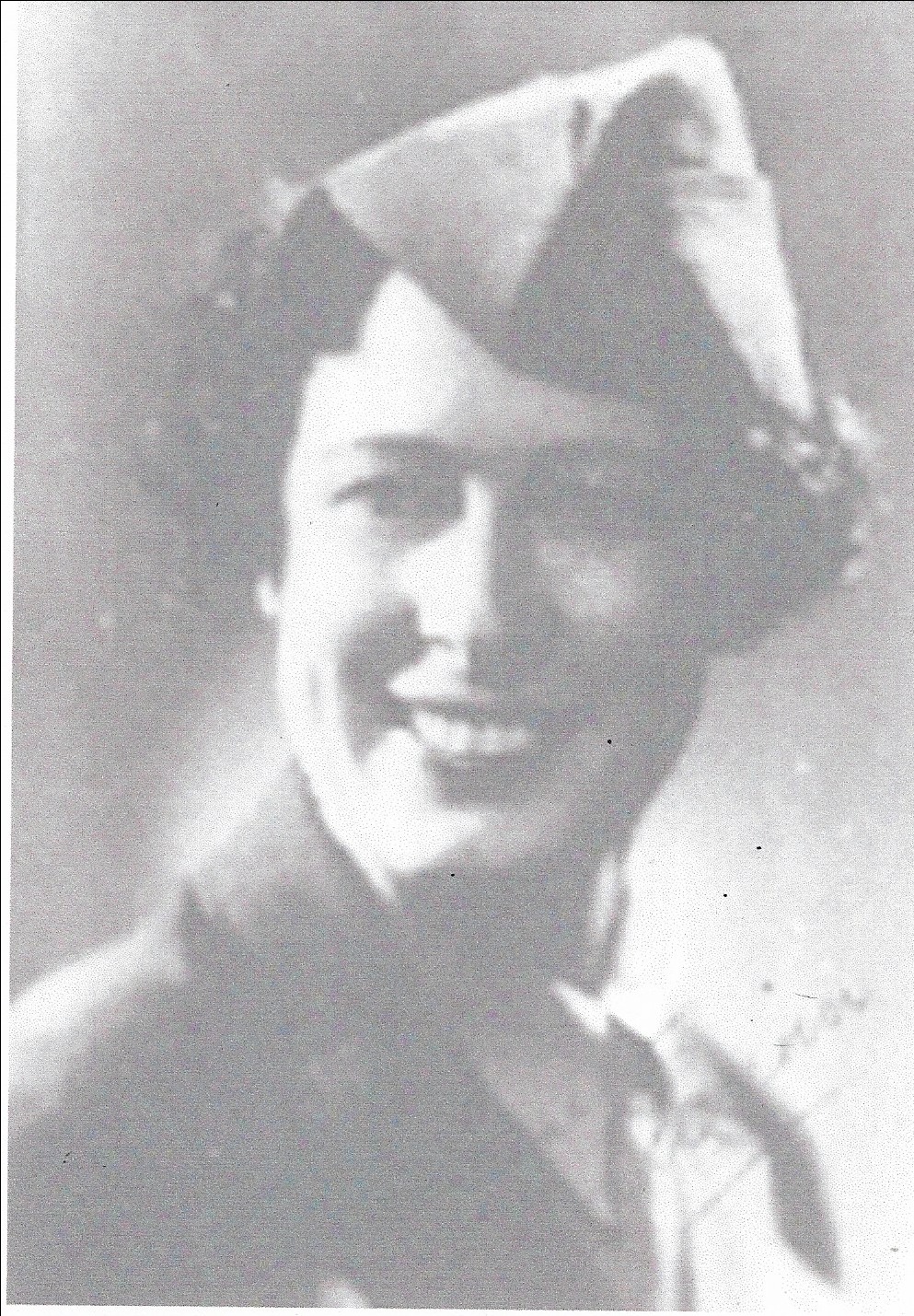
U.S. Army
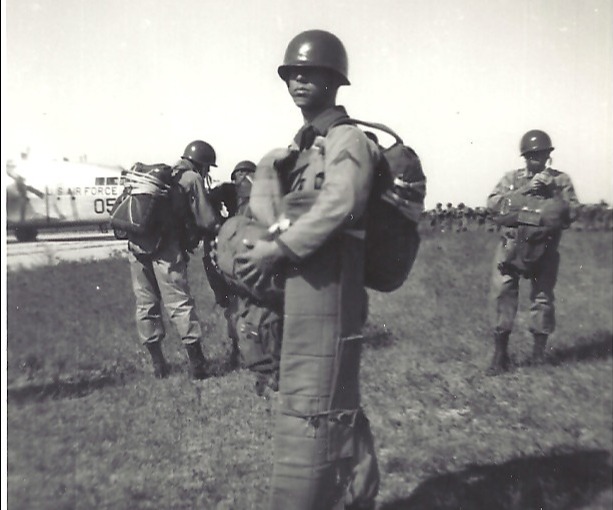
82nd Airborne • U.S. Army • 1954