
Opening branch overview
Building the branch home surface
Loading branch highlights, featured unit context, and gallery moments.
Overview
Members
Units
Building the branch home surface
Loading branch highlights, featured unit context, and gallery moments.
Building the branch units surface
Loading unit filters, rankings, and the branch unit grid.

6 members•1 unit
Relive and share the memories of your service-time with your brothers and sisters in arms today. VetFriends.com can help you reconnect.
Did you proudly serve in the USACC - US Army Communications Command (MARS Stations)?
Are you looking for someone who is or was in the USACC - US Army Communications Command (MARS Stations)?
Do you have USACC - US Army Communications Command (MARS Stations) photos you'd like to share?
Then join a community with your brothers and sisters of the USACC - US Army Communications Command (MARS Stations).
Branch
U.S. Army
Members
6
The US Army Communications Command (USACC) - MARS Stations played a pivotal role in military communications from the 1970s through the 1980s. As part of the Military Auxiliary Radio System (MARS), these stations provided critical backup and morale-boosting radio communications between deployed soldiers and their families, as well as support for emergency and contingency operations. USACC MARS Stations operated worldwide, using amateur radio frequencies and skilled operators to ensure reliable communication during both peacetime and crises. The legacy of USACC MARS continues today, supporting homeland defense and disaster response missions.

U.S. Army
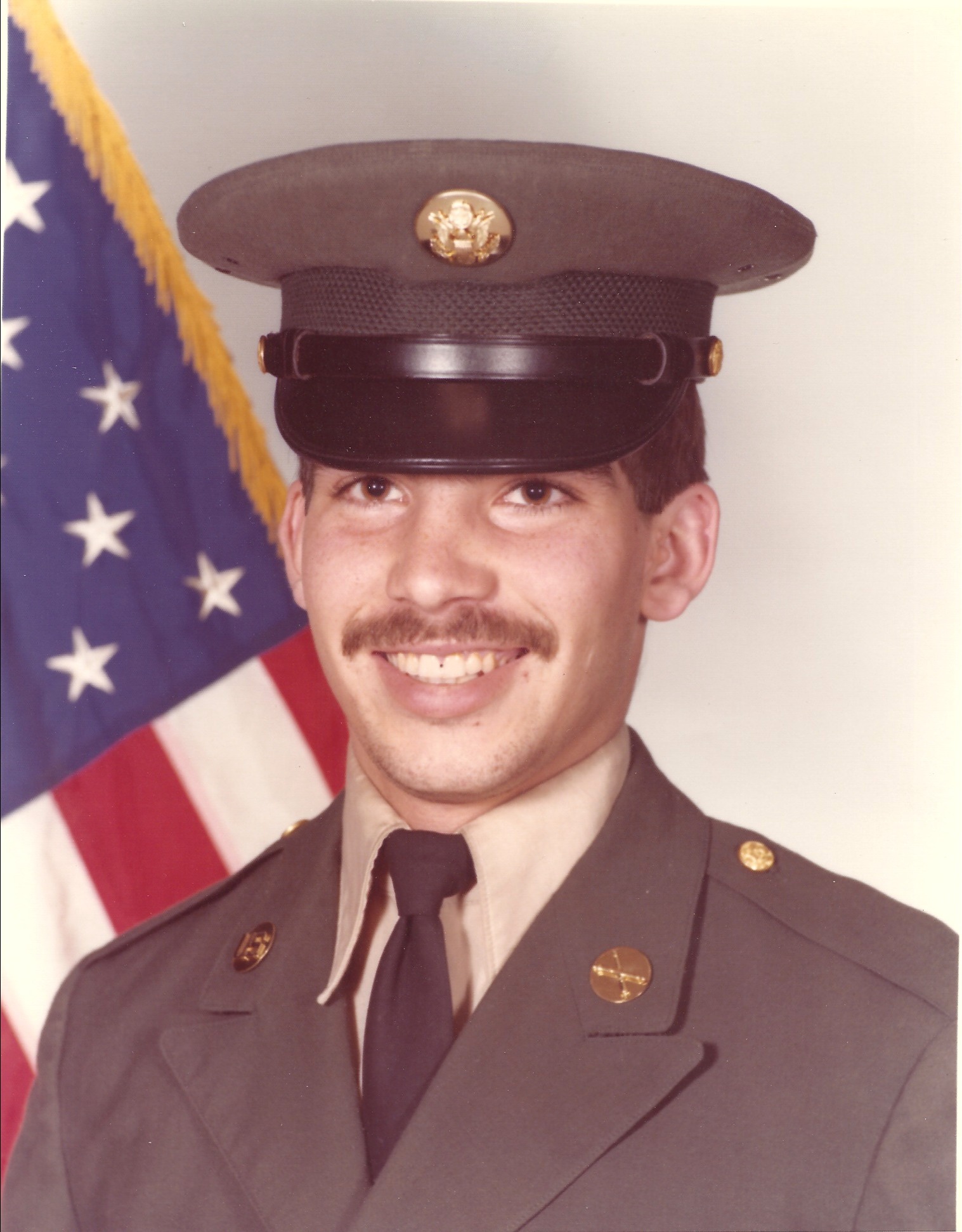
ARTILLERY • U.S. Army

U.S. Army
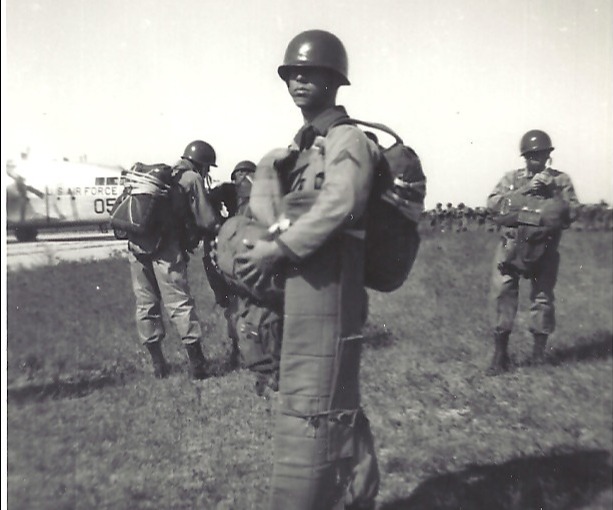
82nd Airborne • U.S. Army • 1954